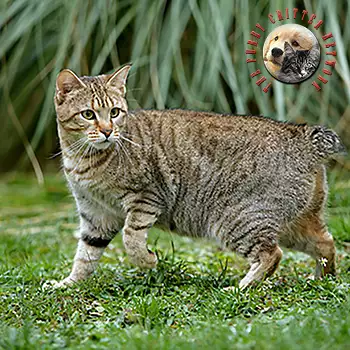

Growth & Physical Development

The Pixie-Bob is a slow-maturing breed that can take up to four years to reach full physical maturity, making the juvenile and adolescent period an extended and fascinating stage of development. Between three and twelve months of age, kittens undergo dramatic physical changes as they transition from round, fluffy babies into the muscular, rangy build that defines the breed. Males in particular begin to develop the broad chest, heavy boning, and prominent brow that give the Pixie-Bob its distinctive wild appearance.

Growth rates vary among individuals, but most Pixie-Bob kittens experience their most rapid growth spurts between four and eight months of age. During these periods, appetites surge and kittens may seem to outgrow their appearance almost weekly. It is not uncommon for a Pixie-Bob adolescent to go through an awkward, leggy phase where the body seems disproportionate. This is entirely normal and temporary. The breed's characteristic muscular bulk fills in gradually over the following months and years.

Polydactylism, or the presence of extra toes, occurs in some Pixie-Bob lines and is considered an accepted trait within the breed standard. If your kitten is polydactyl, monitor the extra toes during growth to ensure that the nails are developing normally and not curling into the paw pad. Regular nail trimming is especially important for polydactyl cats, as extra claws can be more prone to snagging or ingrowth.

Regular weigh-ins remain important during this stage, though the frequency can be reduced to weekly or biweekly. Track your kitten's growth curve and discuss it with your veterinarian to ensure that weight gain is steady and proportional. Pixie-Bobs are a naturally large breed, with males often reaching fourteen to eighteen pounds at maturity, so a kitten that seems large for its age is not necessarily overweight. Your veterinarian can help distinguish between healthy growth and excessive weight gain.

Nutrition & Diet Transition

Juvenile Pixie-Bobs have high metabolic demands driven by their active lifestyles and ongoing growth. A high-quality kitten food formulated for all life stages or specifically for kittens should remain the dietary foundation until at least twelve months of age. Because of the breed's slow maturation, some veterinarians and breeders recommend continuing kitten food even longer, particularly for males that are still filling out. The food should feature a named animal protein as the first ingredient and provide balanced levels of fat, taurine, and essential fatty acids.

Feeding frequency should shift gradually from the four to five small meals per day that young kittens need to three meals by four months of age and eventually to two meals by six to eight months. Free feeding, or leaving food available at all times, can work for some active adolescent Pixie-Bobs but should be monitored carefully to prevent overconsumption. If you notice your kitten gaining excessive weight relative to its frame, switch to measured meals at set times.

Fresh water should always be available, and many Pixie-Bobs enjoy running water sources such as pet fountains. Adequate hydration supports kidney function, digestion, and coat health. If your kitten is eating primarily dry food, water intake becomes even more important, and incorporating some wet food into the diet can help maintain hydration levels.

Treats should make up no more than ten percent of the daily caloric intake. While it is tempting to reward the Pixie-Bob's responsive, trainable nature with frequent treats, excess calories from snacks can displace the balanced nutrition provided by the primary diet. Use small, high-protein treats during training sessions and avoid foods intended for humans, particularly those containing onion, garlic, grapes, or chocolate, all of which are toxic to cats.

Behavioral Changes

Adolescence brings a surge of energy, confidence, and independence that can test even experienced cat owners. Pixie-Bob kittens that were docile and compliant as babies may suddenly become bold explorers, counter surfers, and curtain climbers. This behavior is entirely developmentally normal and reflects the breed's high intelligence and curiosity. Rather than attempting to suppress natural exploration, focus on channeling it into appropriate outlets and setting clear, consistent boundaries.

The Pixie-Bob's dog-like temperament becomes increasingly apparent during this stage. Many adolescent Pixie-Bobs begin following their owners from room to room, greeting visitors at the door, and responding to their names. Some individuals develop a distinctive chirping vocalization rather than a traditional meow, and this communication style often becomes more frequent and varied during the juvenile period. Engaging in conversational exchanges with your Pixie-Bob reinforces the bond and encourages the breed's naturally communicative personality.

Social hierarchies within multi-cat households are often established or renegotiated during adolescence. A Pixie-Bob that was a submissive kitten may begin asserting itself as it gains size and confidence. Monitor interactions between cats and intervene if play escalates into genuine aggression. Providing multiple resources such as food bowls, water stations, litter boxes, and resting spots helps reduce competition and conflict.

Some adolescent Pixie-Bobs may test boundaries by scratching furniture, knocking objects off surfaces, or engaging in nocturnal zoomies. These behaviors are outlets for excess energy and mental stimulation needs. Providing sturdy scratching posts, interactive toys, puzzle feeders, and dedicated play sessions helps redirect these impulses. The Pixie-Bob's intelligence means it can become bored quickly, and a bored Pixie-Bob is often a destructive one.

Training Priorities

The Pixie-Bob is one of the most trainable cat breeds, and the juvenile period is the ideal time to capitalize on this receptiveness. Begin with foundational behaviors such as responding to their name, coming when called, and sitting on cue. Positive reinforcement using small treats, praise, or play is the only effective training method for cats. Punishment-based approaches damage trust, increase stress, and are counterproductive with any feline.

Leash training is a realistic goal for many Pixie-Bobs, and starting during adolescence takes advantage of the breed's natural adaptability. Introduce a harness indoors first, allowing the kitten to wear it for short periods before attaching a leash. Once the kitten is comfortable moving freely in the harness, begin short indoor walks and gradually transition to supervised outdoor excursions. Not every Pixie-Bob will take to leash walking, but many enjoy it as a form of enrichment.

Litter box habits should be well established by this stage, but adolescence can bring occasional lapses, particularly around the time of sexual maturity if the cat has not been spayed or neutered. Any sudden change in litter box behavior warrants a veterinary check to rule out urinary tract issues. If the cause is behavioral, review the number, location, and cleanliness of litter boxes. The general guideline is one box per cat plus one additional box, placed in quiet, accessible locations.

Teach your Pixie-Bob to accept handling for grooming and veterinary care by regularly practicing at home. Brush the coat, touch the paws, look inside the ears, and open the mouth gently, rewarding cooperation with treats. Cats that learn to tolerate and even enjoy these activities during adolescence are far easier to care for throughout their lives. The Pixie-Bob's people-oriented nature gives you an advantage in building this cooperative relationship.

Exercise & Activity

Juvenile Pixie-Bobs have abundant energy that requires daily outlets to maintain physical health and prevent behavioral problems. Interactive play sessions of at least fifteen to twenty minutes, twice a day, should be considered a minimum. Use wand toys, feather teasers, and laser pointers to simulate hunting behavior, which satisfies the breed's strong prey drive. End each play session with a treat or small meal to complete the natural hunt-catch-eat cycle.

Vertical space is particularly important for active Pixie-Bobs. Tall cat trees, wall-mounted shelves, and elevated perching spots allow the cat to climb, survey its territory, and rest in a position that feels secure. The breed's muscular build makes it an excellent climber, and providing appropriate climbing structures reduces the likelihood of the cat scaling bookshelves, curtains, or door frames.

Puzzle feeders and food-dispensing toys add mental stimulation to mealtimes and slow down cats that tend to eat too quickly. Start with simple designs and progress to more complex puzzles as your Pixie-Bob masters each level. Rotating toys every few days keeps the environment novel and engaging. A toy that has been out of sight for a week will feel like a brand-new discovery when reintroduced.

Some Pixie-Bobs enjoy fetch, and the juvenile period is a great time to introduce this game if your cat shows interest. Toss a small, lightweight toy and reward the cat when it brings it back. Not every individual will take to fetch, but the breed's dog-like tendencies make it more likely than with most other cat breeds. Water play is another activity that appeals to some Pixie-Bobs, who may enjoy batting at dripping faucets or splashing in a shallow dish.

Spay/Neuter Considerations

The decision of when to spay or neuter a Pixie-Bob should be made in consultation with your veterinarian, taking into account the individual cat's health, weight, and development. Many veterinarians recommend the procedure between four and six months of age, before the onset of sexual maturity. Cats that are not intended for a responsible breeding program should be altered to prevent unwanted litters and reduce the risk of certain health and behavioral issues.

In females, spaying before the first heat cycle significantly reduces the risk of mammary cancer and eliminates the possibility of pyometra, a potentially life-threatening uterine infection. Unspayed females will come into heat as early as five to six months of age, displaying behaviors such as increased vocalization, restlessness, and posturing. These heat cycles recur every two to three weeks during breeding season and can be stressful for both the cat and the household.

Neutering males eliminates the production of testosterone-driven behaviors such as urine spraying, roaming, and inter-male aggression. While not every intact male will develop these behaviors, the likelihood increases significantly after sexual maturity. Spraying in particular can become a persistent habit if it is allowed to establish before neutering. The procedure also eliminates the risk of testicular cancer and reduces the risk of certain prostate conditions.

Post-surgical recovery is typically straightforward for young, healthy cats. Most Pixie-Bobs are back to normal activity within a few days, though the surgical site should be monitored for signs of infection or the cat's attempts to lick or chew the sutures. An Elizabethan collar or surgical recovery suit may be necessary for the first week. Follow your veterinarian's instructions regarding activity restriction, pain management, and follow-up examinations.

Socialization & Exposure

While the primary socialization window closes around seven to nine weeks of age, the juvenile period remains an important time for continued social learning and exposure to new experiences. Pixie-Bobs that are regularly exposed to visitors, new environments, and varied stimuli during adolescence develop into more confident and adaptable adults. The breed's naturally bold and social temperament provides an excellent foundation, but ongoing socialization ensures that foundation is built upon rather than neglected.

Introduce your adolescent Pixie-Bob to a variety of people, including individuals of different ages, appearances, and energy levels. Supervised interactions with calm, cat-friendly dogs can also be valuable if you anticipate a multi-species household. Always allow the cat to approach on its own terms and retreat if overwhelmed. Forcing interactions creates negative associations that can be difficult to undo.

Carrier training is an often-overlooked aspect of socialization that pays dividends throughout the cat's life. Leave the carrier out in the home as a permanent piece of furniture rather than an object that only appears before stressful veterinary visits. Place treats, toys, and comfortable bedding inside so the cat associates the carrier with positive experiences. Practice short car rides that end with something pleasant, gradually building the cat's tolerance for travel.

Exposure to grooming tools and routines should continue to expand during this stage. Introduce nail clippers, a toothbrush designed for cats, and ear-cleaning supplies. Pixie-Bobs with longer coats will need regular brushing to prevent mats, so establishing a grooming routine during adolescence prevents future battles. Make each grooming session brief and positive, ending before the cat becomes restless or irritated, and always follow up with a reward.

Always consult a qualified professional before making any health-related decisions. This content is provided for informational reference only and should not replace professional guidance specific to your animal.