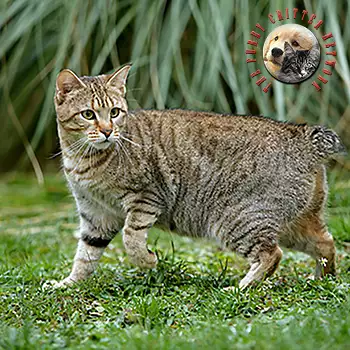

Peak Health Maintenance

A fully mature Pixie-Bob typically reaches its adult size between three and four years of age, though some individuals continue to fill out even beyond that point. Once your Pixie-Bob has settled into its adult frame, the focus of care shifts from supporting growth to maintaining optimal health and preventing the gradual onset of age-related conditions. Annual veterinary wellness examinations are the cornerstone of this preventive approach, providing an opportunity to catch developing issues before they become serious.

During the annual exam, your veterinarian will perform a thorough physical assessment including heart and lung auscultation, abdominal palpation, dental evaluation, and assessment of body condition score. Bloodwork panels that include a complete blood count, chemistry profile, and thyroid screening establish baseline values that become invaluable reference points as your cat ages. Urinalysis helps monitor kidney function, which is particularly important in cats since chronic kidney disease is among the most common conditions affecting the species.

Vaccination protocols during adulthood are typically less frequent than during kittenhood. Core vaccines are usually boosted every one to three years depending on the vaccine type, your cat's risk factors, and current veterinary guidelines. Your veterinarian will tailor the vaccination schedule to your Pixie-Bob's individual needs based on lifestyle factors such as indoor versus outdoor access and exposure to other cats.

Parasite prevention should continue year-round even for indoor Pixie-Bobs, as fleas, ticks, and intestinal parasites can enter the home on clothing, shoes, or other pets. Monthly preventive treatments protect against these common parasites and the diseases they carry. Heartworm prevention is also recommended in many regions, as mosquitoes can enter homes and transmit the parasite to indoor cats.

Nutrition at Maturity

Transitioning from kitten food to an adult maintenance diet should occur once your Pixie-Bob has reached its full adult size, which for this breed may be later than for average-sized cats. Choose a high-quality adult cat food with a named animal protein as the primary ingredient and a balanced nutritional profile that meets the standards established by veterinary nutritional organizations. The protein content should remain high, as cats are obligate carnivores with a biological requirement for animal-based protein.

Portion control becomes increasingly important during adulthood, as the caloric needs of a mature cat are lower than those of a growing kitten or active adolescent. The Pixie-Bob's large frame means it naturally requires more food than a smaller breed, but overfeeding remains a risk. Use the feeding guidelines on the food packaging as a starting point and adjust based on your cat's body condition. You should be able to feel the ribs easily without pressing hard, and there should be a visible waist when viewed from above.

The balance between wet and dry food is a matter of individual preference and health considerations. Wet food provides additional hydration and is often more palatable, while dry food can be more convenient and may offer dental benefits. Many owners find that a combination works best. If your Pixie-Bob is prone to urinary tract issues, increasing the proportion of wet food can help maintain adequate water intake and dilute the urine.

Consistency in feeding schedule and diet composition supports digestive health and makes it easier to notice changes in appetite that could signal illness. Sudden changes in food should be avoided, as they can cause gastrointestinal upset. When transitioning to a new food, mix increasing proportions of the new food with decreasing proportions of the old over the course of seven to ten days.

Exercise & Fitness

Adult Pixie-Bobs retain much of the playful energy of their youth and require regular physical activity to maintain muscle tone, healthy weight, and mental sharpness. The breed's muscular build benefits from daily interactive play sessions that challenge both body and mind. Wand toys, feather lures, and chase games tap into the cat's natural hunting instincts and provide the vigorous exercise that prevents the muscle atrophy and weight gain associated with a sedentary indoor lifestyle.

Environmental enrichment is just as important as structured play. A well-designed indoor environment for an adult Pixie-Bob includes multiple levels of vertical space, window perches for bird watching, and a variety of textures and hiding spots. Rotating toys and rearranging furniture periodically adds novelty to the environment, which stimulates the breed's keen intelligence. Some Pixie-Bobs enjoy supervised outdoor time in a secure enclosure or catio, which provides fresh air, sunlight, and natural stimulation.

Weight management through exercise is especially relevant for spayed and neutered cats, which have a reduced metabolic rate. If your Pixie-Bob is trending toward an unhealthy weight, increasing activity level should be the first intervention before reducing food intake. Interactive feeding methods such as puzzle feeders and food-dispensing balls turn mealtimes into physical and mental workouts, slowing food consumption while adding movement to the cat's daily routine.

Pay attention to changes in your Pixie-Bob's activity level over time. A cat that was previously active and playful but becomes lethargic or disinterested in play may be experiencing pain, illness, or depression. Conversely, sudden hyperactivity or restlessness can indicate hyperthyroidism or other medical conditions. Any significant change in activity level warrants a veterinary evaluation to rule out underlying health issues.

Preventive Health Care

Preventive care for the adult Pixie-Bob extends beyond annual exams and vaccinations to include attention to several breed-relevant health considerations. Hypertrophic cardiomyopathy, a condition in which the heart muscle thickens abnormally, is a concern across many cat breeds and can be screened for with echocardiography. Discuss with your veterinarian whether periodic cardiac screening is appropriate for your Pixie-Bob, particularly if the breed line has any history of heart disease.

Obesity is one of the most common and preventable health issues in adult indoor cats and carries serious consequences including diabetes, joint disease, hepatic lipidosis, and reduced lifespan. Maintain your Pixie-Bob at an ideal body condition through measured feeding, regular exercise, and periodic weigh-ins at home or at the veterinary clinic. A body condition scoring chart can help you assess whether your cat is at a healthy weight between veterinary visits.

Urinary tract health deserves ongoing attention, as feline lower urinary tract disease affects a significant percentage of adult cats. Signs include straining to urinate, frequent trips to the litter box, blood in the urine, or urinating outside the box. Male cats are at particular risk for urinary blockages, which are life-threatening emergencies. Encouraging water intake through wet food, fresh water sources, and pet fountains supports urinary health.

Dental disease progresses silently in many cats, and by adulthood a significant proportion will have some degree of periodontal disease, gingivitis, or tooth resorption. Annual dental assessments and professional cleanings as recommended by your veterinarian are the most effective means of managing dental health. At-home dental care, including brushing with a cat-specific toothpaste and offering dental treats or chews, supplements professional care and slows the progression of disease.

Behavioral Maturity

By the time a Pixie-Bob reaches full adulthood, its personality and behavioral patterns are well established. The breed is known for forming exceptionally strong bonds with its primary caregivers, and adult Pixie-Bobs often display a level of loyalty and attentiveness more commonly associated with dogs than cats. This deep attachment means that changes in household routine, such as a new work schedule, the arrival of a baby, or a move to a new home, can be particularly unsettling for the breed.

Managing transitions with care helps preserve your Pixie-Bob's sense of security. When changes are anticipated, introduce them gradually whenever possible. Maintain consistent feeding times, play sessions, and sleeping arrangements even as other aspects of the household shift. If a major disruption such as a move is unavoidable, provide familiar items such as bedding, scratching posts, and favorite toys in the new environment to ease the transition.

Adult Pixie-Bobs are generally tolerant of other pets and children, but every cat has individual limits. Watch for signs of stress such as excessive grooming, hiding, loss of appetite, or changes in litter box behavior. These signals indicate that the cat is struggling to cope with something in its environment and may need additional resources, quiet retreat spaces, or a modified household routine. Providing elevated hiding spots and designated quiet areas allows the cat to self-regulate its stress levels.

The breed's intelligence and social nature make it prone to boredom and separation anxiety if left alone for extended periods without stimulation. Owners who work long hours should consider providing puzzle toys, window perches with bird feeders outside, and even a compatible feline companion. Some Pixie-Bobs enjoy audio or video entertainment designed for cats, though this should supplement rather than replace interactive engagement with their human family.

Dental & Grooming

Grooming requirements for an adult Pixie-Bob depend largely on coat length. Short-coated Pixie-Bobs benefit from weekly brushing to remove loose hair and distribute natural skin oils, while long-coated individuals need brushing two to three times per week to prevent tangles and mats. The breed's dense double coat sheds moderately year-round with heavier shedding during seasonal transitions in spring and fall. During these periods, more frequent brushing helps manage loose hair and reduces the amount of fur ingested during self-grooming, which can contribute to hairball formation.

Bathing is rarely necessary for Pixie-Bobs, as cats are effective self-groomers. However, occasional baths may be warranted if the cat gets into something dirty or sticky, or if the coat becomes greasy due to a skin condition. Use a gentle shampoo formulated specifically for cats, as products designed for humans or dogs can irritate feline skin. Ensure the cat is thoroughly rinsed and dried, as residual shampoo can cause skin irritation and leftover moisture can lead to skin infections.

Nail trimming should be performed every two to three weeks. This is especially important for polydactyl Pixie-Bobs, whose extra toes may harbor nails that do not wear down naturally and can curl into the paw pads if neglected. Use sharp, cat-specific nail clippers and trim only the transparent tip of each nail, avoiding the pink quick. If your cat resists nail trimming, work on desensitization by handling the paws regularly during calm moments and rewarding cooperation.

Dental care at home is an important complement to professional cleanings. Ideally, teeth should be brushed several times per week using an enzymatic toothpaste designed for cats. If your Pixie-Bob does not tolerate brushing, dental wipes, water additives, and dental-specific diets and treats can provide some level of plaque control. Regardless of home care efforts, monitor the gums for redness, swelling, or bleeding, and report any signs of oral pain such as drooling, reluctance to eat, or pawing at the mouth to your veterinarian.

Always consult a qualified professional before making any health-related decisions. This content is provided for informational reference only and should not replace professional guidance specific to your animal.