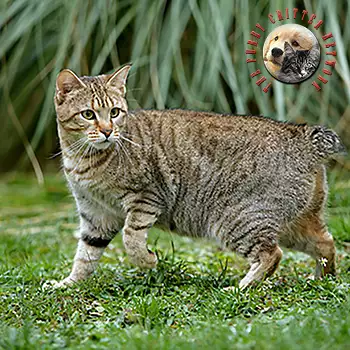

The arrival of Pixie-Bob kittens is an exciting but delicate event that demands close attention from the very first moments. Newborn Pixie-Bobs typically weigh between three and four ounces at birth, though some larger litters may produce slightly smaller individuals. Each kitten should be checked immediately for a clear airway and the ability to breathe without obstruction. The queen will usually handle cleaning and severing the umbilical cord, but caregivers should be prepared to step in with sterile supplies if she is exhausted or inexperienced.
During the first twenty-four hours, the most critical task is ensuring every kitten latches onto the mother and begins nursing. Colostrum, the thick first milk produced by the queen, is packed with essential antibodies that provide passive immunity to the vulnerable newborns. Pixie-Bobs are a robust breed, but no kitten is born with a fully functional immune system, so colostrum intake within the first twelve to sixteen hours is vital. Monitor each kitten individually to confirm that even the smallest or weakest member of the litter has the opportunity to nurse.
The birthing area should be quiet, warm, and free from household traffic. Pixie-Bob queens are generally attentive mothers, but stress from noise, unfamiliar people, or other animals can cause her to become anxious or even reject a kitten. Keep lighting dim and disturbances to a minimum. A clean whelping box with soft, washable bedding provides the ideal environment for the queen to bond with her litter.
Weigh each kitten at birth and record the weight as a baseline. Daily weigh-ins over the coming weeks are one of the most reliable ways to track whether each kitten is thriving. A healthy Pixie-Bob kitten should gain weight steadily every day. Any kitten that fails to gain or begins losing weight in the first twenty-four hours should be evaluated promptly by a veterinarian.