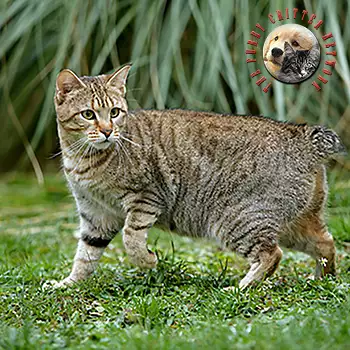

When Does Senior Begin?

Cats are generally classified as senior around eleven to fourteen years of age and geriatric beyond fifteen, though the exact onset varies by individual health, genetics, and lifestyle. Pixie-Bobs are a relatively long-lived breed with lifespans typically ranging from thirteen to sixteen years, and some individuals remain vigorous well into their teens. The transition into the senior stage is usually gradual rather than sudden, marked by subtle changes in energy level, sleeping patterns, and physical appearance that accumulate over months and years.

One of the first signs that a Pixie-Bob is entering its senior years is a reduction in activity level. A cat that once raced through the house and leaped effortlessly to the highest perches may begin to prefer lower resting spots and shorter play sessions. Muscle mass may diminish, particularly along the spine and hindquarters, giving the cat a bonier appearance even if body weight remains stable. The coat may lose some of its luster, and grooming efficiency may decline as flexibility decreases.

Recognizing the beginning of the senior stage is important because it signals the need for changes in veterinary care, nutrition, and home environment. Cats are masters at concealing discomfort and illness, so the absence of obvious symptoms does not guarantee the absence of disease. Proactive monitoring and more frequent veterinary visits allow for early detection and management of the age-related conditions that become increasingly common during this life stage.

Discuss with your veterinarian the appropriate time to transition to a senior wellness protocol, which typically includes biannual examinations, expanded bloodwork panels, blood pressure monitoring, and urinalysis. Establishing this enhanced monitoring schedule before problems develop creates a comprehensive health baseline against which future changes can be measured.

Mobility & Joint Health

Arthritis and degenerative joint disease are among the most common conditions affecting senior cats, and the Pixie-Bob's larger, heavier frame places additional stress on aging joints. Studies suggest that a significant majority of cats over the age of twelve show radiographic evidence of joint disease, though many owners fail to recognize the signs because cats do not typically limp or vocalize in pain the way dogs do. Instead, arthritic cats may simply become less active, avoid jumping, or develop a stiff gait that is most noticeable after periods of rest.

Environmental modifications can significantly improve quality of life for a Pixie-Bob with joint issues. Provide ramps or pet steps to help the cat access favorite elevated spots such as beds, sofas, and window perches without needing to jump. Litter boxes with low entry sides reduce the discomfort of climbing in and out. Heated beds or pads soothe stiff joints and are especially appreciated during cold weather. Place food and water bowls at a comfortable height so the cat does not have to bend its neck excessively.

Your veterinarian may recommend joint support supplements such as glucosamine and chondroitin, omega-3 fatty acids, or other nutraceuticals that support cartilage health and reduce inflammation. In cases of more significant pain, prescription anti-inflammatory or pain-relief medications may be appropriate. Never administer human pain medications to a cat, as many common over-the-counter drugs are highly toxic to felines.

Gentle exercise remains important for senior cats to maintain muscle mass and joint flexibility. Short, low-intensity play sessions encourage movement without overexertion. Feather toys dragged slowly along the ground or rolling treat balls that require gentle batting are better choices than activities that involve jumping or sudden bursts of speed. Maintaining a healthy weight is one of the most impactful things you can do for your senior Pixie-Bob's joints, as excess weight multiplies the mechanical stress on every joint.

Cognitive Changes

Cognitive dysfunction syndrome is a recognized condition in aging cats that parallels dementia in humans. Affected cats may display disorientation, changes in social interactions, altered sleep-wake cycles, house soiling, increased vocalization (particularly at night), and a general decrease in learned behaviors. The Pixie-Bob's naturally intelligent and engaged personality means that cognitive changes may be particularly noticeable to observant owners who are accustomed to the breed's responsiveness and interactivity.

Early signs of cognitive decline can be subtle and easily attributed to other causes. A Pixie-Bob that begins staring at walls, getting lost in familiar rooms, or failing to recognize family members may be experiencing the early stages of cognitive dysfunction. Increased nighttime restlessness and vocalization are among the most commonly reported symptoms, as the cat's internal clock becomes disrupted. These behaviors can be distressing for both the cat and the household.

Mental stimulation helps slow cognitive decline, just as it does in humans. Continue to engage your senior Pixie-Bob with interactive toys, puzzle feeders, and gentle play sessions. Maintain a consistent daily routine, as predictability provides comfort and reduces confusion. Avoid rearranging furniture or making unnecessary changes to the home environment, which can increase disorientation in a cognitively impaired cat.

If you suspect your Pixie-Bob is experiencing cognitive changes, discuss it with your veterinarian. Several conditions can mimic cognitive dysfunction, including hyperthyroidism, hypertension, pain, and sensory loss, and these should be ruled out or treated first. Dietary supplements, environmental enrichment strategies, and in some cases medications may help manage symptoms and slow progression. Early intervention tends to produce better outcomes than waiting until the condition is advanced.

Nutrition for Aging

The nutritional needs of a senior Pixie-Bob differ from those of a younger adult, and dietary adjustments can play a meaningful role in managing age-related changes. Senior cat foods are formulated with modified protein, fat, and calorie levels to account for decreased activity and changes in metabolism. High-quality, easily digestible protein remains essential to maintain muscle mass, which tends to decline with age. Some veterinarians recommend increased protein levels for senior cats, provided kidney function is adequate, as muscle wasting is a significant concern in aging felines.

Kidney disease is one of the most prevalent conditions in senior cats, and dietary management is a cornerstone of treatment. If your Pixie-Bob is diagnosed with early kidney disease, your veterinarian may recommend a therapeutic diet with controlled phosphorus levels and supplemented omega-3 fatty acids. These diets have been shown to slow disease progression and improve quality of life. Regular monitoring of kidney values through bloodwork and urinalysis helps guide dietary decisions.

Appetite changes are common in aging cats and can stem from a variety of causes including dental pain, decreased sense of smell, gastrointestinal issues, or systemic illness. If your Pixie-Bob becomes a finicky eater, warming the food slightly can enhance its aroma and make it more appealing. Offering smaller, more frequent meals may be better tolerated than two large meals. Sudden loss of appetite or significant weight loss should prompt an immediate veterinary evaluation, as these changes can indicate serious underlying conditions.

Hydration becomes increasingly critical as cats age, particularly for those with kidney disease or chronic constipation. Wet food provides significantly more moisture than dry kibble and should make up a larger proportion of the senior diet. Multiple water stations throughout the home, pet fountains that encourage drinking, and adding small amounts of water or low-sodium broth to food are all strategies to increase fluid intake.

Increased Veterinary Care

Senior Pixie-Bobs benefit from veterinary examinations every six months rather than annually, as health conditions can develop and progress rapidly in aging cats. These biannual visits allow your veterinarian to track trends in weight, body condition, blood pressure, and laboratory values that might be missed with less frequent monitoring. Catching diseases such as kidney disease, hyperthyroidism, diabetes, and cancer in their early stages dramatically improves treatment options and outcomes.

Expanded bloodwork panels for senior cats typically include a complete blood count, comprehensive metabolic panel, thyroid hormone levels, and urinalysis with urine specific gravity. Blood pressure measurement is also important, as hypertension is common in older cats and can cause damage to the eyes, kidneys, heart, and brain if left untreated. Some veterinarians also recommend periodic chest radiographs and abdominal ultrasound to screen for tumors and organ changes that bloodwork alone cannot detect.

Dental disease often worsens during the senior years and can significantly impact quality of life. Cats with painful dental conditions may eat less, lose weight, and become withdrawn. Professional dental cleanings under anesthesia carry slightly higher risk in older patients, but the benefits of treating painful dental disease usually outweigh the anesthetic risks when proper precautions are taken. Pre-anesthetic bloodwork and careful monitoring during the procedure help minimize risk.

Keep an updated list of your senior Pixie-Bob's medications, supplements, diet, and any recent behavioral or physical changes to share with your veterinarian at each visit. This running health diary is invaluable for identifying patterns and tracking the effectiveness of treatments. Note changes in water consumption, litter box output, appetite, activity level, and any new behaviors, as these details provide important diagnostic clues.

Quality of Life Assessment

As your Pixie-Bob enters its later senior years, regular quality of life assessments become an important part of responsible care. Quality of life is a holistic evaluation that considers the cat's physical comfort, emotional well-being, ability to perform normal behaviors, and overall enjoyment of daily life. Several veterinary-developed quality of life scales exist that assign scores across categories such as pain, hunger, hydration, hygiene, happiness, mobility, and the ratio of good days to bad days.

Physical comfort is the foundation of quality of life. A cat that is in chronic unmanaged pain cannot enjoy life regardless of how much love and attention it receives. Work closely with your veterinarian to identify and manage pain through appropriate medications, environmental modifications, and supportive therapies. Signs of pain in cats include changes in posture, reluctance to be touched, decreased grooming, hiding, loss of appetite, and changes in facial expression such as squinting or flattened ears.

Emotional well-being encompasses the cat's ability to experience pleasure and maintain social connections. A Pixie-Bob that still purrs when petted, seeks out family members for companionship, shows interest in its environment, and engages in some form of play is demonstrating positive emotional health. Withdrawal from social interaction, loss of interest in previously enjoyed activities, and persistent anxiety or distress are signs that emotional quality of life is declining.

Quality of life is not static, and regular reassessment is necessary as conditions evolve. Some days will be better than others, and the goal is to ensure that good days consistently outnumber difficult ones. When the balance shifts and bad days become the norm despite appropriate medical and supportive care, it may be time to discuss end-of-life options with your veterinarian. This is one of the most difficult conversations a pet owner faces, but approaching it with honest assessment and compassion honors the bond you share with your Pixie-Bob.

Always consult a qualified professional before making any health-related decisions. This content is provided for informational reference only and should not replace professional guidance specific to your animal.