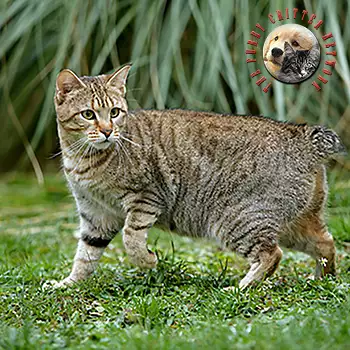

Knowing when a beloved Pixie-Bob is approaching the end of its life is one of the most difficult aspects of pet ownership, yet recognizing the signs allows you to provide the best possible care during this final stage. Terminal decline in cats is often a gradual process, though some conditions can cause a more sudden deterioration. Common indicators include progressive weight loss despite adequate nutrition, loss of appetite or complete refusal of food and water, extreme lethargy and withdrawal from social interaction, difficulty breathing, and loss of interest in surroundings that once engaged the cat.
The Pixie-Bob's characteristically strong bond with its family can make the signs of decline particularly poignant. A cat that was once your constant shadow, greeting you at the door and following you through the house, may begin retreating to quiet, hidden places. Some cats seek isolation instinctively as they weaken, while others become more clingy and dependent on physical contact. Both responses are normal and reflect the individual cat's coping style. Honor whatever your Pixie-Bob seems to need, whether that is solitude or closeness.
Physical signs of approaching death can include a noticeable drop in body temperature, particularly in the extremities such as the ears and paw pads. The cat may develop a disheveled appearance as grooming ceases entirely. Breathing may become labored, shallow, or irregular. Incontinence may occur as the cat loses control of bladder and bowel function. Some cats experience seizures or periods of confusion in their final days.
It is important to distinguish between a treatable health crisis and genuine end-of-life decline. A cat that suddenly stops eating or becomes lethargic may be suffering from a condition that is entirely manageable with veterinary intervention. Before concluding that your Pixie-Bob is dying, consult with your veterinarian to determine whether the symptoms have a treatable cause. If the decline is indeed irreversible, your veterinarian can help you understand what to expect and how to keep your cat comfortable.