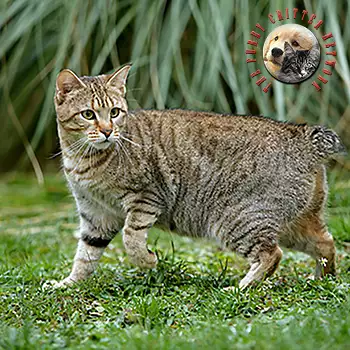

Breeding Pixie-Bobs responsibly requires careful assessment of both the physical and genetic readiness of the prospective parents. While female cats can reach sexual maturity as early as five to six months, the Pixie-Bob's slow maturation rate means that breeding should not be considered until the queen is at least eighteen months to two years of age and has reached her full adult size and physical development. Males also mature slowly and should be at least eighteen months old with demonstrated physical and temperamental soundness before being used at stud.
Pre-breeding health screening is an essential step that should never be skipped. Both the queen and the stud should receive a thorough veterinary examination that includes bloodwork, testing for feline leukemia virus and feline immunodeficiency virus, and screening for common infectious diseases. Cardiac evaluation through echocardiography is recommended to check for hypertrophic cardiomyopathy, as heart disease can be hereditary and should not be passed to the next generation. Genetic testing for breed-relevant conditions should also be performed when available.
Temperament evaluation is particularly important in the Pixie-Bob, as the breed is valued for its distinctive personality. Both parents should demonstrate the calm, confident, dog-like disposition that defines the breed. Cats that display excessive fearfulness, unprovoked aggression, or significant behavioral abnormalities should not be bred, as temperament has a strong genetic component. The goal of any breeding program should be to produce kittens that are physically healthy, structurally sound, and temperamentally excellent.
The breeder should also evaluate the pedigrees of both cats to assess genetic diversity and avoid excessive inbreeding. A coefficient of inbreeding that is too high increases the risk of inherited health problems and reduces the overall vitality of the offspring. Working with a mentor breeder and consulting breed-specific registries can help identify compatible pairings that strengthen the breed rather than narrowing its genetic base.