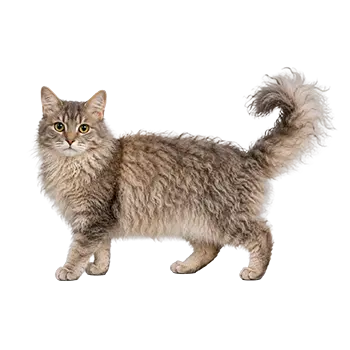

Growth & Physical Development

The juvenile and adolescent period in a LaPerm cat spans roughly from eight weeks through twelve months of age, and it is a time of remarkable physical transformation. During these months, your kitten will transition from a small, somewhat clumsy youngster into a lean, athletic, and increasingly coordinated young cat. Growth rates vary among individuals, but most LaPerms will reach close to their adult size by around ten to twelve months, with some continuing to fill out and add muscle mass for several months beyond that.

One of the most distinctive features of the LaPerm breed during this period is the ongoing development of the coat. Kittens that were born bald or with a sparse coat will gradually grow in their signature curls, though the texture and fullness of the coat may continue to change and improve well into the second year of life. Some LaPerms go through a phase where they lose much of their kitten coat before the adult curls grow in, which can be surprising for first-time owners but is entirely normal for the breed.

Physically, juvenile LaPerms are medium-boned and moderately muscled, with a balanced body type that is neither cobby nor extremely slender. Their legs lengthen, their paws grow proportionally, and their facial features take on a more refined, wedge-shaped appearance as they mature. Regular weight checks help ensure that growth is proceeding at a healthy pace without excessive thinness or weight gain.

Dental development is also significant during this stage. Kittens begin losing their baby teeth around three to four months of age, and the full set of thirty adult teeth is typically in place by six to seven months. Owners may notice baby teeth on the floor or in food dishes, and some kittens experience mild discomfort during the teething process that may temporarily reduce appetite or increase chewing behavior.

Nutrition & Diet Transition

Proper nutrition during the juvenile and adolescent months is essential for supporting the rapid growth and high energy demands of a developing LaPerm. Kittens in this age range require a diet that is significantly higher in protein, fat, and calories compared to adult maintenance food. A high-quality kitten formula that lists a named animal protein as its first ingredient will provide the building blocks needed for healthy muscle, bone, and organ development.

Feeding frequency should be adjusted as the kitten grows. From eight to twelve weeks, three to four meals per day is ideal. By four to six months of age, most kittens can transition to three meals daily, and by eight to ten months, two meals per day is typically sufficient. Some owners prefer to offer measured portions of dry food for free feeding between scheduled wet food meals, though monitoring intake carefully is important to prevent overfeeding.

The transition from kitten food to adult food generally occurs around twelve months of age, though your veterinarian may recommend adjusting the timeline based on your individual cat's growth and body condition. The switch should be made gradually over the course of seven to ten days, slowly increasing the ratio of adult food to kitten food to avoid digestive upset.

Fresh water should always be available, and many LaPerms show a preference for running water. A pet fountain can encourage adequate hydration, which supports kidney health and overall well-being. Avoid offering table scraps, raw diets without veterinary supervision, or foods that are toxic to cats, including onions, garlic, chocolate, grapes, and anything containing xylitol.

Behavioral Changes

The adolescent months bring a surge of energy, curiosity, and occasionally testing behavior that can catch owners off guard. LaPerm kittens are naturally social and people-oriented, and during this stage, their desire to interact, explore, and play reaches its peak. Expect an adolescent LaPerm to be in constant motion during its waking hours, investigating every corner of the home, batting at dangling objects, and inventing games with whatever items are within reach.

This is also the period when some cats begin testing boundaries. A kitten that was perfectly well-behaved at ten weeks may suddenly develop a fascination with counter-surfing, scratching furniture, or ambushing ankles. These behaviors are a normal part of feline adolescence and are best addressed through consistent redirection rather than punishment. Providing ample appropriate outlets for scratching, climbing, and play will channel these natural instincts in acceptable directions.

LaPerms are known for their strong attachment to their human family, and adolescent cats of this breed may become particularly vocal and attention-seeking. They often follow their owners from room to room, vocalize to initiate interaction, and seek out laps and shoulders for perching. This affectionate nature is one of the breed's most appealing traits, but it also means that adolescent LaPerms can become stressed or anxious if left alone for extended periods without enrichment.

Social dynamics with other household pets may also shift during adolescence. A kitten that was deferential to an older cat may begin asserting itself, leading to occasional scuffles or changes in the household hierarchy. Supervising interactions and ensuring that each pet has its own resources and retreat spaces will help manage these transitions smoothly.

Training Priorities

The juvenile period is the ideal window for establishing the habits and skills that will make your LaPerm a well-mannered companion for life. Cats are often perceived as untrainable, but LaPerms are intelligent, food-motivated, and eager to please, making them surprisingly responsive to positive reinforcement training techniques.

Litter box habits should already be well established by the time a kitten arrives in its new home, but reinforcing good habits during the transition to a new environment is important. Place the litter box in a quiet, accessible location and show the kitten where it is immediately upon arrival. If you have a multi-level home, providing a box on each floor ensures that a young kitten is never too far from an appropriate option.

Scratching behavior is another training priority. Providing sturdy scratching posts and pads in multiple locations, and rewarding the kitten with treats and praise when it uses them, helps direct this natural behavior away from furniture. Placing scratching surfaces near areas where the kitten tends to scratch inappropriately can make the redirection more effective.

Basic commands and recall can be taught using small, high-value treats as rewards. Many LaPerms can learn to come when called, sit on cue, and even perform simple tricks. Short, frequent training sessions of three to five minutes are more effective than longer, less frequent ones. Clicker training, in which a small clicking device is used to mark the exact moment the cat performs the desired behavior, is particularly effective with this breed and strengthens the bond between cat and owner.

Carrier training is another worthwhile investment during this period. Teaching your kitten to view the carrier as a safe, familiar space rather than a source of dread makes veterinary visits and travel significantly less stressful for both the cat and the owner.

Exercise & Activity

Adolescent LaPerms are energetic, agile, and playful cats that require daily physical and mental stimulation to stay healthy and well-adjusted. Without adequate outlets for their energy, young LaPerms may develop destructive behaviors or become overly demanding of their owners' attention. A well-planned activity routine helps burn excess energy, build muscle and coordination, and prevent boredom-related issues.

Interactive play sessions are the cornerstone of exercise for indoor cats. Wand toys, feather teasers, and laser pointers engage a LaPerm's strong prey drive and provide vigorous aerobic activity. Two or three play sessions per day, each lasting ten to fifteen minutes, are a reasonable baseline for an adolescent cat, though many LaPerms will happily play for longer if their owner is willing.

Vertical space is particularly important for this breed. Cat trees, wall-mounted shelves, and window perches give LaPerms the climbing and jumping opportunities they crave and expand the usable territory in your home. A tall, sturdy cat tree placed near a window where the cat can watch birds and outdoor activity serves double duty as both exercise equipment and mental enrichment.

Puzzle feeders and food-dispensing toys add a mental challenge to mealtime and slow down cats that tend to eat too quickly. Rotating toys regularly prevents boredom and keeps the environment stimulating. Some LaPerms also enjoy supervised outdoor time in a secure enclosure or on a harness and leash, which can provide a rich sensory experience without the risks associated with unsupervised outdoor access.

Spay & Neuter Considerations

The decision of when to spay or neuter a LaPerm kitten is an important one that should be made in consultation with your veterinarian. Most veterinary organizations recommend spaying or neutering cats between four and six months of age, before the onset of sexual maturity, though some practitioners prefer to wait slightly longer depending on the individual cat's development and circumstances.

Spaying a female LaPerm before her first heat cycle significantly reduces the risk of mammary tumors and completely eliminates the risk of ovarian and uterine cancers and pyometra, a potentially life-threatening uterine infection. Female cats that are not spayed will cycle into heat repeatedly, often becoming very vocal, restless, and prone to escape attempts as they seek a mate.

Neutering a male LaPerm reduces or eliminates many hormone-driven behaviors including urine spraying, roaming, and inter-cat aggression. It also eliminates the risk of testicular cancer and reduces the risk of certain prostate issues. Unneutered males that are kept indoors may spray urine to mark territory, producing a strong and persistent odor that is difficult to remove.

For LaPerms obtained from responsible breeders, the spay or neuter agreement is typically part of the purchase contract for pet-quality kittens. Breeders invest significant effort in maintaining the health and integrity of their breeding lines and reserve intact cats for carefully planned breeding programs. Owners should honor these agreements and discuss the optimal timing for the procedure with both their veterinarian and the kitten's breeder.

Socialization & Exposure

While the most critical socialization window closes around seven weeks of age, the juvenile and adolescent months remain an important period for continued socialization and exposure to new experiences. A LaPerm kitten that is gently and positively introduced to a wide variety of people, environments, and stimuli during this time is far more likely to grow into a confident, adaptable adult cat.

Introducing your kitten to visitors of different ages, appearances, and energy levels helps build social confidence. Encourage guests to interact calmly with the kitten, offering treats and gentle petting. LaPerms are naturally sociable and typically warm up to new people quickly, but allowing the kitten to approach at its own pace rather than forcing interactions builds trust and prevents fearful associations.

Exposure to common household sounds and activities is equally important. Vacuum cleaners, blenders, doorbells, television sounds, and other everyday noises should be introduced gradually and paired with positive experiences like treats or play. A kitten that learns to accept these sounds as normal background noise during its formative months will be far less reactive to them as an adult.

If you plan to introduce your LaPerm to other pets, the juvenile period is generally the easiest time to do so, as young cats tend to be more flexible and accepting of new companions than adults. Introductions should be gradual, using scent swapping and controlled visual contact before allowing direct interaction. Supervise all early meetings and ensure that each animal has access to its own food, water, litter, and resting spaces to minimize competition and stress.

Handling exercises that mimic grooming and veterinary procedures are also valuable during this period. Gently touching your kitten's paws, ears, mouth, and belly on a regular basis, paired with treats and praise, will make future nail trims, ear cleanings, dental checks, and veterinary examinations much less stressful for the cat and everyone involved.

Always consult a qualified professional before making any health-related decisions. This content is provided for informational reference only and should not replace professional guidance specific to your animal.