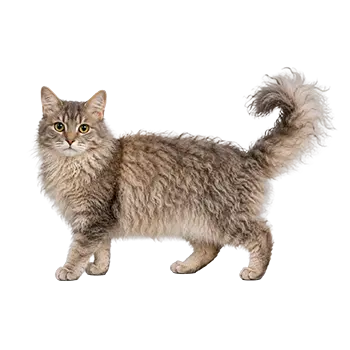

Breeding Readiness

Responsible breeding of LaPerms begins long before a mating is arranged, with a thorough assessment of whether the prospective breeding cats are physically, genetically, and temperamentally suited for reproduction. A female LaPerm, or queen, should not be bred before she has reached full physical maturity, which typically occurs between eighteen months and two years of age. Breeding a queen too young can compromise her own health and development and may result in smaller, less vigorous litters.

Both the queen and the stud should undergo comprehensive health screening prior to any breeding. At a minimum, this includes testing for feline leukemia virus and feline immunodeficiency virus, screening for common genetic conditions relevant to the breed, a thorough veterinary examination to assess overall health and reproductive soundness, and confirmation that all vaccinations and parasite prevention are current. Any cat that tests positive for infectious disease or carries genetic conditions that could be passed to offspring should not be bred.

Temperament is an important but sometimes overlooked component of breeding readiness. The LaPerm is prized for its gentle, affectionate, and sociable nature, and responsible breeders prioritize selecting cats that exemplify these traits. A queen or stud that is excessively fearful, aggressive, or antisocial may pass these tendencies to offspring through both genetics and early behavioral modeling, undermining one of the breed's most valued characteristics.

Prospective breeders should also evaluate their own readiness honestly. Breeding cats responsibly requires significant time, financial resources, veterinary support, knowledge of feline genetics and reproduction, and a commitment to finding suitable homes for every kitten produced. It is not an endeavor that should be undertaken casually or with the expectation of profit, as the costs of proper health screening, prenatal and postnatal veterinary care, quality nutrition, and socialization almost always exceed the income from kitten placements.

The Estrous Cycle

Female cats are seasonally polyestrous, meaning they cycle in and out of heat repeatedly during certain times of the year, typically from early spring through late autumn in regions with significant seasonal variation. Indoor cats exposed to artificial lighting may cycle year-round. Understanding the estrous cycle is essential for timing breeding correctly and for recognizing the behavioral changes that accompany each phase.

The feline estrous cycle consists of several phases. Proestrus, which lasts one to two days, is marked by subtle behavioral changes including increased affection, restlessness, and occasional vocalization. The queen may rub against objects and people more frequently but will not yet accept mating. Estrus, the period of true heat and sexual receptivity, follows and typically lasts four to seven days, though it can range from as few as two days to as many as nineteen in some individuals.

During estrus, the queen exhibits unmistakable behavioral signs including loud, persistent calling, rolling on the floor, treading with the hind legs, elevating the hindquarters when touched at the base of the tail, and an intense desire to escape the home in search of a mate. These behaviors can be quite dramatic and are often distressing to owners who are unfamiliar with them. LaPerms in heat tend to be especially vocal given the breed's naturally communicative nature.

If mating does not occur, the queen will enter interestrus, a period of one to three weeks during which hormonal activity subsides before another heat cycle begins. This cycling will continue throughout the breeding season unless the queen becomes pregnant, is spayed, or is placed under veterinary management to suppress the cycle. Repeated cycling without breeding can increase the risk of pyometra and other reproductive health issues over time.

Pregnancy & Gestation

The gestation period in cats is approximately sixty-three to sixty-seven days, with most queens delivering around day sixty-five. After a successful mating, a veterinarian can confirm pregnancy through palpation as early as seventeen to twenty-five days after breeding, or through ultrasound beginning around twenty-five days. Radiographs taken after day forty-five can reveal the number of kittens in the litter, which is valuable information for planning the birthing process.

During the first few weeks of pregnancy, the queen may show few outward signs. A slight increase in appetite and a subtle change in nipple color, known as pinking up, are often the earliest indicators. As pregnancy progresses, appetite increases significantly, and the queen's abdomen begins to visibly enlarge by the fourth or fifth week. Weight gain during a healthy pregnancy typically ranges from two to four pounds depending on litter size.

Nutrition during pregnancy is critically important and should be adjusted to meet the queen's increased caloric and nutritional demands. Most veterinarians recommend transitioning the queen to a high-quality kitten food during the latter half of pregnancy, as kitten formulas provide the higher protein, fat, and caloric density that supports fetal development and prepares the queen's body for the demands of nursing. Fresh water should be available at all times, and portion sizes should increase as the pregnancy advances, with the queen eating approximately one and a half times her normal intake by the final weeks.

Veterinary monitoring throughout pregnancy helps ensure that complications are detected early. The queen should be examined at least once during mid-pregnancy and again approximately one week before the expected delivery date. Signs that require immediate veterinary attention include vaginal bleeding, foul-smelling discharge, loss of appetite in the final week, lethargy, vomiting, or any behavior that suggests the queen is in distress.

Queening Preparation

As the queen's due date approaches, preparing a clean, quiet, and comfortable birthing environment is essential for a smooth delivery. A queening box should be set up in a low-traffic area of the home at least one to two weeks before the expected delivery date, giving the queen time to investigate, settle in, and claim the space as her own. The box should be large enough for the queen to stretch out comfortably but enclosed enough to feel secure, with sides high enough to contain newborn kittens but low enough for the queen to step in and out.

Line the queening box with clean, soft bedding that can be easily changed, such as old towels or receiving blankets. Newspaper is sometimes recommended as an initial layer because it provides insulation and is inexpensive to replace, though it should be covered with a softer material for the comfort of the queen and kittens. Avoid loose fabrics with long fibers or threads that could entangle newborn kittens.

Assemble a birthing supply kit in advance and keep it near the queening area. Useful supplies include clean towels, sterile scissors for cutting umbilical cords if the queen does not do so herself, unwaxed dental floss for tying cords if necessary, a bulb syringe for clearing mucus from a kitten's airways, a heating pad set on low, a digital scale for weighing kittens, and your veterinarian's emergency contact number prominently displayed.

In the days leading up to delivery, the queen may become restless, seek out secluded nesting spots, lose her appetite, and exhibit nesting behaviors such as rearranging bedding. A drop in body temperature to below 100 degrees Fahrenheit often occurs within twenty-four hours of labor. Monitoring the queen closely during this period without hovering or causing stress helps you recognize the onset of labor and provide assistance if needed while allowing the natural process to unfold.

Postpartum Care

The first few weeks following delivery are a demanding period for the queen, and attentive postpartum care supports both her recovery and the health of the litter. Immediately after delivery, ensure that the queen has expelled all placentas, as a retained placenta can lead to serious infection. The number of placentas should match the number of kittens delivered. If you suspect a retained placenta, contact your veterinarian promptly.

The queen's nutritional needs during nursing are even greater than during pregnancy. She may require two to three times her normal caloric intake to produce adequate milk for a growing litter, and she should continue eating kitten-formula food throughout the nursing period. Free feeding, or providing food continuously so the queen can eat as often and as much as she needs, is generally recommended during this time. Fresh water must be available at all times, as dehydration can rapidly reduce milk production.

Monitor the queen for signs of postpartum complications including excessive or foul-smelling vaginal discharge, fever, lethargy, refusal to eat, swollen or hot mammary glands that may indicate mastitis, or disinterest in the kittens. Eclampsia, a life-threatening condition caused by dangerously low blood calcium levels, can occur in nursing queens and presents as restlessness, muscle tremors, stiff gait, panting, and seizures. This is a veterinary emergency requiring immediate treatment.

The queen should have a calm, private environment where she can nurse and care for her kittens with minimal disruption. Limit handling of the kittens during the first week to brief daily health checks and weighing, and discourage visitors from crowding the nesting area. As the kittens grow and the queen regains her strength, she will gradually resume her normal activity level and begin spending short periods away from the litter, which is a healthy and natural part of the weaning process.

Responsible Breeding Ethics

Responsible breeding of LaPerms extends far beyond the mechanics of mating, pregnancy, and kitten care. It encompasses a commitment to the long-term health and welfare of the breed, the individual cats involved, and every kitten produced. Ethical breeders are stewards of their breed, working to preserve and improve its health, temperament, and physical characteristics while minimizing the risk of genetic disease and overpopulation.

Genetic diversity is a particularly important consideration for the LaPerm, which is a relatively rare breed with a smaller gene pool than more common breeds. Responsible breeders carefully study pedigrees and plan matings to avoid excessive inbreeding, which can concentrate harmful recessive genes and reduce overall genetic fitness. Some LaPerm breeding programs incorporate approved outcrosses to domestic cats to maintain genetic diversity while preserving the breed's distinctive curly coat and gentle temperament.

Every kitten produced by a responsible breeder should have a safe, loving, and permanent home waiting for it before or shortly after birth. Ethical breeders screen prospective owners thoroughly, provide detailed care instructions and ongoing support, and include spay or neuter agreements in contracts for pet-quality kittens to prevent unplanned reproduction. A hallmark of a responsible breeder is the standing commitment to take back any cat they have produced at any point in its life, ensuring that no kitten they bring into the world ever ends up in a shelter or in an unsafe situation.

The decision to breed should always be weighed against the current state of cat overpopulation and the availability of homes. Millions of cats enter shelters every year, and the production of additional kittens carries an inherent ethical responsibility. Responsible LaPerm breeders breed selectively and infrequently, prioritize the health and welfare of their cats above financial considerations, and contribute to their breed community through mentorship, education, and participation in breed clubs and registries. Breeding is a privilege that carries significant obligations, and meeting those obligations is what distinguishes responsible breeding from casual or careless reproduction.

Always consult a qualified professional before making any health-related decisions. This content is provided for informational reference only and should not replace professional guidance specific to your animal.