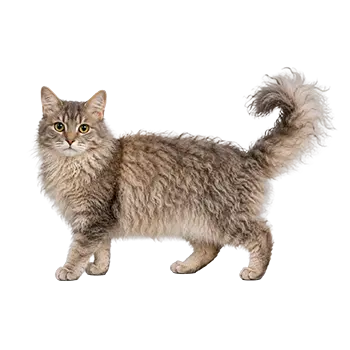

When Does Senior Begin?

Cats age at different rates depending on their breed, size, genetics, and overall health, and the transition into the senior years is typically a gradual process rather than an abrupt change. For the LaPerm, which is generally a healthy and moderately long-lived breed with an average lifespan of twelve to fifteen years, the senior stage is generally considered to begin around ten to eleven years of age. Some LaPerms remain remarkably youthful and active well beyond this age, while others may begin showing signs of slowing down somewhat earlier.

The distinction between senior and geriatric is worth understanding. A senior cat is one that has entered the later phase of life but may still be in good overall health with age-appropriate changes. A geriatric cat is one that has reached an advanced age, typically around fifteen years and beyond, and is more likely to be dealing with chronic health conditions and significant physical decline. The care strategies for these two phases overlap but differ in intensity and focus.

Recognizing the early signs of aging in your LaPerm allows you to make proactive adjustments to its care routine before small issues become significant problems. Common early indicators include a gradual decrease in activity level, longer and more frequent naps, slight changes in appetite or eating habits, mild weight fluctuations, and a reduction in the intensity of play. These changes may be so subtle that they develop over months without being consciously noticed.

Scheduling a senior wellness examination with your veterinarian when your LaPerm reaches ten years of age establishes an updated health baseline and provides an opportunity to discuss age-appropriate screening tests, dietary adjustments, and environmental modifications that will support your cat's comfort and well-being as it moves through the senior years.

Mobility & Joint Health

As LaPerms enter their senior years, changes in mobility and joint health are among the most common and noticeable physical developments. Arthritis, also known as degenerative joint disease, is extremely prevalent in older cats, with studies suggesting that a large majority of cats over the age of twelve show radiographic evidence of joint changes. However, cats are masters at masking pain and discomfort, so the behavioral signs of arthritis may be subtle and easy to miss.

Signs that your senior LaPerm may be experiencing joint discomfort include reluctance to jump onto surfaces it previously reached easily, hesitation at the top or bottom of stairs, stiffness upon rising from a nap, a decrease in grooming activity especially in hard-to-reach areas, and a preference for lower resting spots. Some cats may also become more irritable when touched or handled in certain areas, particularly along the spine and hips.

Environmental modifications can make a significant difference in the comfort and quality of life of a cat with mobility limitations. Providing ramps or pet stairs to favorite elevated surfaces, offering litter boxes with lower sides for easier entry, placing food and water dishes at a comfortable height, and ensuring that all essential resources are accessible on a single floor of the home reduce the physical demands placed on aging joints.

Your veterinarian can recommend appropriate interventions for managing joint pain, which may include joint-supportive supplements, anti-inflammatory medications, therapeutic diets formulated for joint health, or other modalities such as acupuncture or laser therapy. Never administer human pain medications to your cat, as many common over-the-counter pain relievers are toxic to cats even in small doses. Regular veterinary monitoring allows treatment plans to be adjusted as your cat's needs change over time.

Cognitive Changes

Cognitive decline, sometimes referred to as feline cognitive dysfunction syndrome, is an increasingly recognized condition in aging cats that shares many similarities with dementia in humans. While not all senior cats develop significant cognitive changes, the risk increases with advancing age, and owners of older LaPerms should be aware of the signs so that changes can be identified and managed early.

Common indicators of cognitive dysfunction include disorientation in familiar environments, such as appearing confused in rooms the cat has known for years or staring at walls. Changes in sleep-wake cycles are also frequently reported, with affected cats becoming more active and vocal during the night while sleeping more heavily during the day. Some cats may forget previously reliable litter box habits, vocalize excessively without apparent reason, or show a decreased interest in social interaction and play.

Maintaining mental stimulation and environmental enrichment is particularly important for senior cats at risk of cognitive decline. Puzzle feeders, gentle interactive play sessions adapted to your cat's physical abilities, novel scents and textures introduced periodically, and continued social interaction with family members can help keep your LaPerm's mind engaged. The breed's natural sociability and curiosity can be an advantage in this regard, as LaPerms tend to remain interested in their surroundings and responsive to human attention well into old age.

If you notice cognitive changes in your senior LaPerm, discuss them with your veterinarian. Some underlying conditions, such as hyperthyroidism and hypertension, can mimic or exacerbate cognitive symptoms and may be treatable. Dietary supplements that support brain health, environmental management strategies, and in some cases medication can help slow the progression of cognitive dysfunction and improve your cat's quality of life.

Nutrition for Aging

Nutritional needs shift as a LaPerm moves into its senior years, and adjustments to diet can play a meaningful role in supporting health, maintaining muscle mass, and managing age-related conditions. Senior cats often experience a gradual loss of lean muscle mass, a condition known as sarcopenia, which can be partially offset by ensuring adequate protein intake from high-quality sources.

Contrary to the once-common belief that protein should be restricted in older cats, current veterinary nutritional guidance recommends maintaining or even increasing protein levels in the diets of healthy senior cats, provided kidney function remains normal. Protein restriction is appropriate only when prescribed by a veterinarian for cats with diagnosed kidney disease, and reducing protein unnecessarily can accelerate muscle loss and weaken the immune system.

Caloric needs may decrease as activity levels decline, making portion control an important consideration to prevent weight gain. However, some very old cats experience the opposite problem, losing weight despite adequate or even increased food intake. Unexplained weight loss in a senior cat always warrants veterinary investigation, as it can be a sign of hyperthyroidism, diabetes, kidney disease, cancer, or dental pain that makes eating uncomfortable.

Hydration becomes increasingly critical as cats age, since older cats are more prone to kidney disease and chronic dehydration. Incorporating wet food into the diet, offering multiple water sources, using a pet fountain, and adding water or low-sodium broth to meals are all strategies that help increase fluid intake. Your veterinarian may recommend a therapeutic diet formulated for specific age-related conditions as they arise, and any dietary changes should be introduced gradually to avoid digestive upset.

Increased Veterinary Care

As your LaPerm enters its senior years, the frequency and scope of veterinary care should increase to match the heightened risk of age-related health conditions. Most veterinarians recommend transitioning from annual to semi-annual wellness examinations for cats over the age of ten, as health changes can develop and progress significantly within a six-month window at this stage of life.

Comprehensive blood panels, urinalysis, thyroid screening, and blood pressure measurement should become routine components of senior wellness visits. Chronic kidney disease, hyperthyroidism, diabetes, and hypertension are among the most common conditions affecting older cats, and all of them are more effectively managed when caught early. Baseline values established during earlier wellness visits provide important reference points for detecting trends and emerging abnormalities.

Dental health continues to require vigilant attention in senior cats. Aging cats are more prone to tooth resorption, periodontal disease, and oral tumors, all of which can cause significant pain and affect appetite and quality of life. Regular dental examinations and professional cleanings under anesthesia remain important, and your veterinarian will assess whether your senior cat's overall health status allows for safe anesthesia before recommending a procedure.

Keeping a detailed health journal at home can be a valuable complement to professional veterinary care. Recording your cat's daily food and water intake, litter box output, weight trends, energy level, and any behavioral changes provides a timeline of information that helps your veterinarian make more informed diagnostic and treatment decisions. Even small observations, such as a gradual increase in water consumption or a subtle decrease in grooming, can be clinically significant when viewed as part of a larger pattern over time.

Quality of Life Assessment

Assessing and maintaining quality of life is the central concern of senior and geriatric cat care, and it requires honest, ongoing evaluation by both the owner and the veterinarian. Quality of life is a multifaceted concept that encompasses physical comfort, emotional well-being, the ability to engage in normal behaviors, and the overall balance between good days and difficult ones.

Several structured quality of life assessment tools are available that can help owners evaluate their senior LaPerm's well-being in a systematic way. These tools typically ask owners to rate factors such as pain level, appetite, hydration, hygiene, happiness, mobility, and the ratio of good days to bad days on a numerical scale. While no single tool is definitive, they provide a framework for objective evaluation and can be useful for tracking trends over time.

Practical measures to support quality of life in a senior LaPerm include managing pain effectively, maintaining a comfortable and predictable environment, ensuring easy access to all essential resources, continuing gentle social interaction and play at a pace the cat can enjoy, and providing warm, soft resting spots that support aging joints. The LaPerm's affectionate nature means that emotional connection with its human family remains a significant source of well-being throughout the senior years, and maintaining that bond is as important as managing physical health.

Open and ongoing communication with your veterinarian about your cat's quality of life is essential, especially as conditions progress or new issues arise. There may come a time when the balance shifts and your LaPerm's quality of life can no longer be maintained at an acceptable level despite your best efforts. Recognizing and accepting this reality is one of the most difficult but ultimately compassionate responsibilities of pet ownership, and your veterinarian can provide guidance and support when that time comes.

Always consult a qualified professional before making any health-related decisions. This content is provided for informational reference only and should not replace professional guidance specific to your animal.