
The First 24 Hours

LaPerm kittens enter the world small, fragile, and entirely dependent on their mother. At birth, they typically weigh between three and four ounces and are born with their eyes sealed shut and their ear canals closed. The queen will immediately begin cleaning each kitten to stimulate breathing and circulation, and it is important that caregivers allow this natural bonding process to unfold without unnecessary interference unless a clear emergency arises.

During the first day, the most critical task is ensuring every kitten latches onto the mother and begins nursing. Colostrum, the nutrient-rich first milk, delivers essential antibodies that protect newborns from infection during the vulnerable early weeks before their own immune systems mature. Kittens that fail to nurse within the first few hours face significantly higher risks of illness and should be assisted gently toward a nipple or supplemented under veterinary guidance.

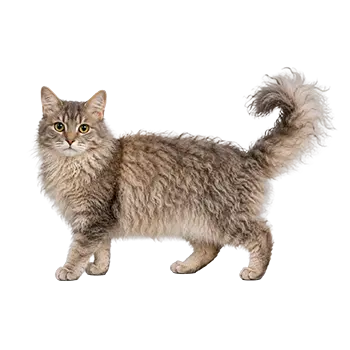
One fascinating aspect of the LaPerm breed is that kittens may be born with a light wavy coat, a straight coat, or even completely bald. This is entirely normal for the breed and is not a sign of a health problem. Those born without fur will typically begin growing their signature curly coat within the first few weeks, though the timeline varies from kitten to kitten.

Caregivers should quietly observe the litter during this period, counting kittens, checking that each one appears to be nursing, and monitoring the queen for signs of distress or complications. A calm, dimly lit environment with minimal foot traffic will help the mother feel secure and attentive. Avoid handling the kittens excessively during the first day, as the queen needs uninterrupted time to bond with and care for her litter.

Nursing & Nutrition

For the first three to four weeks of life, LaPerm kittens rely exclusively on their mother's milk for all of their nutritional needs. The queen's milk provides a perfectly balanced combination of proteins, fats, vitamins, and immune-supporting antibodies that no commercial formula can fully replicate. Healthy kittens will nurse every one to two hours during the first week, gradually spacing out feedings as they grow.

Caregivers should monitor the litter closely to ensure that all kittens are gaining weight steadily. A small kitchen scale can be invaluable during this period. Healthy newborns should gain roughly a quarter of an ounce per day during the first week and continue on an upward trajectory. A kitten that stalls in weight gain or begins losing weight needs immediate attention, as this is often the earliest sign of illness or insufficient milk intake.

If the queen is unable to nurse due to illness, injury, or an unusually large litter, kitten milk replacer formulated specifically for cats should be used. Cow's milk and other substitutes are not appropriate and can cause serious digestive problems. Bottle-feeding orphaned or supplemented kittens requires careful attention to the angle of the bottle to prevent aspiration, and feedings should occur every two to three hours around the clock during the first two weeks.

Around three and a half to four weeks of age, kittens can begin the weaning process. A shallow dish of kitten milk replacer mixed with a small amount of high-quality wet kitten food creates a soft gruel that encourages kittens to explore solid food. The transition should be gradual, allowing kittens to continue nursing from the queen while they learn to eat independently over the course of two to three weeks.

Developmental Milestones

The first several weeks of a LaPerm kitten's life are marked by rapid and dramatic developmental changes. During the first week, kittens are essentially helpless, relying on touch, warmth, and scent to locate their mother and littermates. They spend the vast majority of their time sleeping and nursing, and their movements are limited to a slow crawl powered by their front legs.

Between seven and fourteen days of age, the kittens' eyes begin to open, though their vision remains blurry and unfocused for several more days. All kittens are born with blue eyes regardless of what their adult eye color will eventually be. Their ear canals also begin to open around this time, introducing them to the world of sound. By the end of the second week, most kittens are noticeably more responsive to stimuli in their environment.

Weeks three and four bring a burst of physical development. Kittens begin to stand, wobble, and take their first tentative steps. Baby teeth start emerging, and kittens begin to explore their immediate surroundings with increasing curiosity. This is also the period when LaPerm kittens that were born bald may begin showing the first signs of their distinctive curly coat growing in, though the full development of the adult coat texture can take months or even longer.

By five to six weeks, kittens are walking and running with growing confidence, engaging in play with their littermates, and beginning to develop the social skills that will shape their adult personalities. They are learning to use a litter box, grooming themselves with increasing competence, and showing early signs of the affectionate, people-oriented temperament that the LaPerm breed is known for.

Temperature & Environment

Newborn LaPerm kittens cannot regulate their own body temperature for the first several weeks of life, making environmental warmth one of the most critical factors in their survival. A healthy newborn kitten's body temperature should be around 95 to 97 degrees Fahrenheit during the first week, gradually rising to the normal adult range of 100 to 102.5 degrees by about four weeks of age. Kittens that become chilled can quickly develop life-threatening hypothermia.

The nesting area should be kept at approximately 85 to 90 degrees Fahrenheit during the first week, decreasing gradually by about five degrees each week as the kittens grow and develop the ability to thermoregulate. A heating pad set on low and placed beneath one side of the nesting box allows kittens and the queen to move toward or away from the heat source as needed. Always ensure there is a cooler area available so the mother and kittens are not forced to lie on a surface that is too warm.

This consideration is especially important for LaPerm kittens born without fur, as they are even more vulnerable to temperature fluctuations than their coated littermates. These bald kittens may seek out warmth more aggressively and should be monitored to ensure they are not becoming chilled. Soft, clean bedding that retains warmth without bunching up around tiny bodies is ideal for the nesting box.

The whelping area should be placed in a quiet, draft-free location away from household traffic, other pets, and loud noises. A sturdy box or enclosure with sides high enough to contain the kittens but low enough for the queen to enter and exit easily provides the right balance of security and accessibility. Bedding should be changed regularly to maintain cleanliness and reduce the risk of bacterial infection.

Early Socialization

The socialization window for kittens is remarkably brief, and the experiences a LaPerm kitten has during the first several weeks of life play a profound role in shaping its adult temperament. The critical socialization period for cats generally falls between two and seven weeks of age, making it essential that breeders and caregivers begin gentle, positive handling well before kittens leave for their new homes.

During the first two weeks, socialization is limited to the presence and gentle touch of the caregiver. Quietly speaking near the nesting box and briefly handling each kitten for a few moments each day helps them become accustomed to human scent and contact. These interactions should be calm, warm, and brief, always returning the kitten to the queen promptly to avoid stress.

As kittens reach three to four weeks of age and begin exploring their environment, socialization efforts can become more deliberate. Exposing kittens to a variety of gentle sounds, surfaces, and human handling helps build confidence and resilience. The naturally affectionate and curious temperament of the LaPerm breed means that most kittens respond well to early socialization, often seeking out human attention on their own as they grow more mobile.

By five to seven weeks, kittens benefit from supervised exposure to a wider range of household experiences, including different people, calm children, and the general sounds of a home environment. Positive associations built during this period help produce well-adjusted adult cats that are comfortable with handling, visitors, and the normal activities of family life. Kittens that miss this socialization window may be more fearful or skittish as adults, making early investment in gentle exposure invaluable.

Health Screening & Vet Visits

A veterinary examination within the first few days of life establishes a health baseline for each kitten in the litter and allows for the early detection of congenital issues. The veterinarian will check each kitten's overall condition, listen for heart murmurs, inspect for cleft palates, and assess body weight and hydration. This initial visit also gives the caregiver an opportunity to discuss the queen's health, nutrition, and any concerns about the nursing process.

Deworming typically begins at around two weeks of age, as intestinal parasites can be transmitted from the queen to her kittens through nursing. Your veterinarian will recommend an appropriate deworming schedule, which usually involves multiple treatments spaced two to three weeks apart. Fecal testing may also be performed to identify specific parasites and guide treatment.

Vaccinations generally begin at six to eight weeks of age, starting with the core feline vaccines that protect against panleukopenia, calicivirus, and rhinotracheitis. These initial vaccinations are the first in a series of boosters that will continue through the kitten's first year. Your veterinarian will provide a vaccination schedule tailored to your kittens' needs and local disease risks.

Caregivers should also monitor the litter daily for signs of illness between veterinary visits. Healthy kittens are warm, round-bellied, and active during their waking periods. Any kitten that feels cool to the touch, refuses to nurse, cries persistently, or appears lethargic should be seen by a veterinarian promptly, as young kittens can decline rapidly without intervention.

When to Worry

While most LaPerm litters develop without serious complications, knowing the warning signs of trouble can make the difference between a minor setback and a life-threatening emergency. Newborn kittens are remarkably fragile, and their condition can deteriorate within hours if a problem is not recognized and addressed quickly.

Persistent crying is one of the most important early warning signals. While brief fussing is normal, a kitten that cries continuously or with an unusually weak or high-pitched voice may be cold, hungry, in pain, or ill. A kitten that has been pushed away from the group by the queen or by stronger littermates may also cry persistently and is at heightened risk for hypothermia and malnutrition.

Weight loss or failure to gain weight is another red flag that demands immediate attention. Kittens should be weighed at the same time each day using a gram scale, and any kitten that loses weight for two consecutive weighings or fails to gain over a 24-hour period should be evaluated. Dehydration, which can be checked by gently pinching the skin at the scruff of the neck, is a related concern that often accompanies feeding difficulties.

Other signs that warrant an urgent veterinary call include diarrhea, discharge from the eyes or nose, labored breathing, abdominal bloating, a lack of interest in nursing, and a kitten that feels noticeably cooler than its littermates. Fading kitten syndrome, in which a seemingly healthy kitten rapidly weakens and declines, can affect any breed and requires aggressive veterinary support including supplemental feeding, warmth, and fluid therapy. Early detection and swift action offer the best chance of a positive outcome.

Always consult a qualified professional before making any health-related decisions. This content is provided for informational reference only and should not replace professional guidance specific to your animal.