
Peak Health Maintenance

The adult years of a LaPerm cat, generally spanning from around one year through approximately ten years of age, represent the longest and most stable phase of life. During this period, your cat's growth is complete, its personality is well established, and its health care needs settle into a predictable routine. The primary goal during the prime years is maintaining the excellent health your cat has built during kittenhood through consistent preventive care and attentive daily observation.

Annual veterinary wellness examinations are the foundation of peak health maintenance. Even when your LaPerm appears perfectly healthy, a yearly checkup allows your veterinarian to detect subtle changes in weight, heart function, dental health, and organ function that may not be visible at home. Blood work, urinalysis, and other diagnostic tests performed periodically can catch emerging conditions early, when they are most treatable and least costly to manage.

Keeping your LaPerm at a healthy body weight is one of the single most impactful things you can do for its long-term health. Obesity in cats is associated with a significantly increased risk of diabetes, joint disease, liver problems, and urinary tract issues. Your veterinarian can help you determine your cat's ideal weight and body condition score, and you should monitor these regularly at home by feeling for the ribs and observing the waistline from above.

Parasite prevention should continue year-round, even for cats that live exclusively indoors. Fleas, ticks, and intestinal parasites can enter the home on clothing, shoes, or other pets, and heartworm disease is transmitted by mosquitoes that frequently find their way indoors. Your veterinarian can recommend an appropriate preventive regimen based on your geographic area and your cat's lifestyle.

Nutrition at Maturity

An adult LaPerm requires a well-balanced diet formulated for maintenance rather than growth. High-quality commercial cat foods that meet the nutritional standards established by the Association of American Feed Control Officials provide a complete and balanced diet when fed according to the manufacturer's guidelines. Look for foods that list a named animal protein as the primary ingredient and avoid products that rely heavily on fillers, artificial preservatives, or excessive carbohydrate content.

Portion control becomes especially important during the adult years, as a cat's caloric needs decrease compared to the high-energy demands of kittenhood and adolescence. Most adult LaPerms do well on two measured meals per day, though some owners successfully incorporate a small amount of dry food for between-meal grazing. The key is to measure portions consistently rather than estimating, and to adjust amounts based on your cat's activity level, body condition, and any weight trends noted during veterinary visits.

Wet food offers several advantages for adult cats, including higher moisture content that supports urinary tract and kidney health, higher protein density, and greater palatability for many cats. A diet that includes at least some wet food, or a combination of wet and dry, is generally recommended over an exclusively dry diet. However, dry food can contribute to dental health through its abrasive texture and offers the convenience of not spoiling quickly if left out.

Adequate hydration is essential throughout the adult years. Cats evolved as desert animals and often have a low thirst drive, which can predispose them to urinary and kidney issues over time. Providing multiple water stations throughout the home, using a pet fountain to offer running water, and incorporating wet food into the diet are all effective strategies for encouraging adequate fluid intake.

Exercise & Fitness

While adult LaPerms are generally less frenetically active than their adolescent counterparts, they remain playful, curious, and athletically capable cats that benefit greatly from daily physical activity. Regular exercise helps maintain a healthy weight, supports cardiovascular and musculoskeletal health, reduces stress, and prevents the boredom that can lead to destructive behaviors or excessive vocalization.

Interactive play remains the most effective form of exercise for indoor cats. Wand toys, feather teasers, crinkle balls, and toys that mimic the movement of prey engage the LaPerm's natural hunting instincts and provide vigorous physical activity. Two dedicated play sessions per day, each lasting ten to twenty minutes, provide a solid foundation, though most LaPerms will happily engage in additional play whenever their owners are available.

Environmental enrichment is equally important for an adult LaPerm's physical and mental well-being. Cat trees, climbing shelves, window perches, and enclosed outdoor spaces such as catios provide opportunities for climbing, jumping, and observing the outdoors. Rotating toys and introducing new objects periodically keeps the environment stimulating and prevents habituation to familiar items.

Many LaPerms retain a kitten-like playfulness well into their adult years, and some individuals enjoy activities that go beyond typical cat play. Fetch, harness walking, and interactive puzzle toys that dispense treats are all activities that some LaPerms take to enthusiastically. Paying attention to your individual cat's preferences and energy patterns will help you design an activity routine that keeps it engaged and fit throughout the prime years.

Preventive Health Care

A proactive approach to preventive health care during the adult years protects your LaPerm from common feline diseases and helps ensure a long, healthy life. Core vaccinations should be maintained according to your veterinarian's recommended schedule, with boosters given at appropriate intervals based on your cat's lifestyle and risk factors. Indoor-only cats may require less frequent boosters for certain vaccines compared to cats with outdoor access, but core vaccines remain important for all cats.

Dental disease is one of the most prevalent health issues in adult cats, and the LaPerm is no exception. Tartar buildup, gingivitis, and periodontal disease can cause pain, tooth loss, and systemic infections that affect the heart, liver, and kidneys. Regular dental examinations, professional cleanings as recommended by your veterinarian, and at-home dental care such as tooth brushing or dental treats can significantly reduce the risk of serious dental problems.

Screening for common feline health conditions should be part of your adult LaPerm's regular veterinary care. Blood panels that assess kidney and liver function, thyroid levels, and blood glucose help detect conditions such as chronic kidney disease, hyperthyroidism, and diabetes before clinical signs become apparent. Urinalysis provides additional information about kidney function and urinary tract health. Your veterinarian may recommend increasing the frequency of these screenings as your cat enters the later adult years.

Keeping detailed records of your cat's weight, appetite, litter box habits, and behavior patterns at home provides valuable information that complements the data gathered during veterinary visits. Subtle changes in eating habits, water consumption, energy level, or litter box output can be early indicators of developing health issues and are often noticed by attentive owners well before they become apparent during a clinical examination.

Behavioral Maturity

By the time a LaPerm reaches full adulthood, its personality and behavioral patterns are well established. Adult LaPerms are typically affectionate, sociable, and moderately active cats that form strong bonds with their human families. They tend to be vocal communicators, using a range of chirps, trills, and meows to express their needs and initiate interaction, though they are generally less demanding than some other highly vocal breeds.

The strong attachment that LaPerms form with their owners means that they thrive in homes where they receive regular attention and companionship. An adult LaPerm that is left alone for long stretches without interaction or enrichment may develop stress-related behaviors such as over-grooming, excessive vocalization, or inappropriate elimination. If your schedule requires extended absences, providing a feline companion, interactive toys, and environmental enrichment can help mitigate loneliness.

Adult LaPerms are generally adaptable and tolerant cats that coexist well with other pets and with children who have been taught to handle cats respectfully. Their gentle, patient nature makes them well suited to multi-pet households, though individual personalities vary. Any new introductions should still be handled gradually and with attention to each animal's comfort level.

Stress management is an important but often overlooked aspect of behavioral health in adult cats. Changes in routine, household composition, living environment, or even furniture arrangement can be sources of stress for sensitive cats. Maintaining consistent routines, providing quiet retreat spaces, and using calming environmental aids when necessary help support your LaPerm's emotional well-being during times of change.

Dental & Grooming

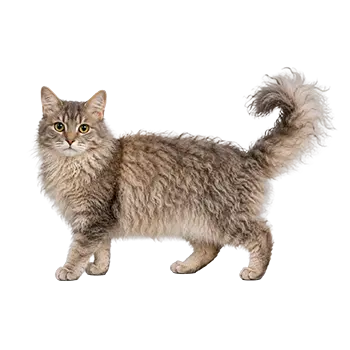
The LaPerm's distinctive curly coat requires a grooming approach that differs somewhat from that of straight-coated breeds. Despite its textured appearance, the LaPerm coat is surprisingly low maintenance compared to many long-haired breeds. The curls tend to resist matting, and the breed sheds less than most cats, making it a relatively easy coat to care for with regular, gentle attention.

A weekly grooming session using a wide-toothed comb or a soft slicker brush is generally sufficient to keep the coat clean, remove loose hair, and distribute natural oils. Over-brushing can disrupt the curl pattern and cause the coat to appear frizzy rather than neatly waved, so a light touch is important. Some owners find that lightly dampening the coat with water before combing helps maintain the curl structure and reduces static.

Bathing is rarely necessary for LaPerms unless the cat gets into something messy or develops a skin condition that requires medicated baths. When bathing is needed, a gentle cat-specific shampoo should be used, and the coat should be blotted dry with a towel rather than vigorously rubbed. Avoid using a blow dryer on high heat, as this can damage the delicate curl structure. Many LaPerm owners find that allowing the coat to air dry produces the best results.

Nail trimming should be performed every two to three weeks, or as needed based on the rate of growth and the cat's scratching habits. Regular ear checks and gentle cleaning with a veterinarian-approved ear cleaner help prevent wax buildup and ear infections. Dental care is a critical component of the grooming routine as well. Brushing your cat's teeth several times per week with an enzymatic toothpaste formulated for cats is the gold standard for at-home dental care, and dental treats or water additives can provide supplemental support between brushings.

Always consult a qualified professional before making any health-related decisions. This content is provided for informational reference only and should not replace professional guidance specific to your animal.