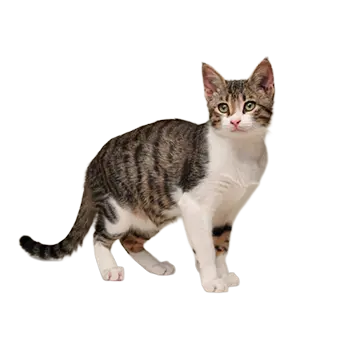

The juvenile period for a Cyprus cat begins around eight to twelve weeks of age, when many kittens leave the litter and enter their permanent homes. This transition is one of the most significant events in a young cat's life, and handling it thoughtfully sets the tone for the entire relationship between the kitten and its new family. Before bringing a Cyprus kitten home, prepare a dedicated space that serves as its initial territory, ideally a single quiet room equipped with food and water bowls, a litter box, bedding, and a few age-appropriate toys.
The first few days in a new environment can be overwhelming even for a naturally confident breed like the Cyprus. Allow the kitten to explore its designated room at its own pace without pressure. Sit quietly in the room for extended periods so the kitten can approach, sniff, and acclimate to your presence on its own terms. Resist the temptation to introduce the entire household, including other pets, all at once. A staged, gradual introduction reduces stress and gives the kitten a secure base from which to expand its world.
Cyprus cats have an ancestral history of living alongside humans in villages and monasteries on the island of Cyprus, and this deep social heritage typically manifests as a quick adjustment period compared to more independent or wary breeds. Most Cyprus kittens begin soliciting attention and purring within the first 48 to 72 hours in a well-managed new home. Once the kitten is eating, drinking, using the litter box, and showing playful curiosity, you can begin supervised access to additional rooms.
If other cats or dogs are present in the home, introductions should follow a structured protocol. Keep the new kitten separated behind a closed door for the first several days while the resident animals become accustomed to the newcomer's scent. Exchange bedding between the animals, feed them on opposite sides of the door, and begin brief, supervised face-to-face meetings only when both parties are calm and curious rather than fearful or aggressive. The Cyprus breed's sociability is an asset during this process, but the temperament of the resident animal is equally important.