
Adult Nutrition & Weight Management

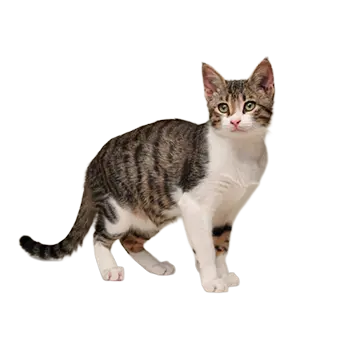
The Cyprus cat reaches full physical maturity between one and a half and two years of age, at which point its nutritional requirements shift from the calorie-dense demands of growth to the maintenance needs of an active adult. Transitioning to a high-quality adult cat food formulated to support lean muscle mass, healthy organ function, and coat condition is appropriate once your veterinarian confirms that skeletal development is complete. Select a product with a named animal protein as the primary ingredient and a nutrient profile that meets the standards set by the Association of American Feed Control Officials for adult maintenance.

Portion control is essential for maintaining the lean, athletic build that characterizes the Cyprus breed. This naturally muscular cat should have a clearly palpable rib cage with a thin covering of fat, a visible waist when viewed from above, and a tucked abdominal profile when viewed from the side. Overfeeding, even by modest amounts, accumulates over months and years into clinically significant weight gain that increases the risk of diabetes mellitus, hepatic lipidosis, and degenerative joint disease. Use a kitchen scale or measuring cup to portion meals accurately rather than estimating by eye.

Feeding two measured meals per day is appropriate for most adult Cyprus cats. Cats that are prone to gorging or vomiting after large meals may benefit from three smaller meals distributed throughout the day. Puzzle feeders and food-dispensing toys can slow eating speed while simultaneously providing mental stimulation, a dual benefit that suits the Cyprus cat's intelligent and active nature. Fresh water should be available at all times, and a circulating water fountain often encourages greater fluid intake compared to a static bowl.

Treats should constitute no more than ten percent of the cat's daily caloric intake. High-value treats are useful training tools, but excessive treat feeding is a common contributor to weight gain that owners often overlook. Avoid feeding human foods as treats, as many common foods including onions, garlic, chocolate, grapes, and anything containing xylitol are toxic to cats. If you notice your Cyprus cat gaining weight despite appropriate feeding volumes, consult your veterinarian to rule out metabolic conditions such as hypothyroidism before simply reducing food intake.

Exercise & Physical Enrichment

The Cyprus cat's ancestry as a semi-feral landrace that survived by hunting, climbing, and navigating the varied terrain of the Mediterranean island has produced a breed with above-average athletic ability and a strong drive for physical activity. An adult Cyprus cat that does not receive adequate daily exercise will often redirect its energy into destructive behaviors such as knocking objects off surfaces, shredding upholstery, or engaging in aggressive play with human hands and feet. Structured exercise is not optional for this breed; it is a fundamental requirement for both physical and behavioral health.

Interactive play sessions remain the cornerstone of exercise for an indoor Cyprus cat. Wand toys, laser pointers used with a physical treat reward at the end of the session, and motorized prey-simulation toys all tap into the cat's predatory drive. Aim for at least two dedicated play sessions per day, each lasting fifteen to twenty minutes, timed to coincide with the cat's natural activity peaks in the early morning and evening. The play sequence should mimic a hunt: stalk, chase, pounce, catch, and consume a small treat to simulate the satisfaction of a successful kill.

Vertical space is critically important for an active breed like the Cyprus. Tall cat trees with multiple platforms, wall-mounted shelving that creates aerial pathways, and sturdy window perches expand the cat's usable territory far beyond the floor plan of the home. Cyprus cats are confident climbers and jumpers, and providing sanctioned elevated spaces reduces the likelihood of the cat scaling bookshelves, curtain rods, and other structures not designed to bear its weight. Rotating the placement of climbing furniture periodically introduces novelty that sustains the cat's interest.

For owners who can provide safe outdoor access, a secure catio or enclosed garden run allows the Cyprus cat to experience fresh air, sunshine, and natural sensory stimulation without the risks associated with free-roaming. Leash training is another option for this intelligent breed; many Cyprus cats can learn to walk on a harness and leash with patient, positive-reinforcement-based training. Outdoor enrichment of any kind must be supervised and secure, as the Cyprus cat's athleticism and curiosity can lead to escape attempts from any enclosure that is not solidly constructed.

Dental Health & Grooming

Dental disease is the most common health problem in adult cats, with the majority of cats showing some degree of periodontal disease by three years of age. The Cyprus cat is no exception, and proactive dental care during the adult years can prevent painful conditions that affect eating, overall health, and quality of life. The gold standard for feline dental care is daily tooth brushing using a cat-specific enzymatic toothpaste and a small, soft-bristled brush or finger brush. Introduce brushing gradually, allowing the cat to taste the toothpaste first, then progressing to gentle brushing of the outer surfaces of the teeth.

Professional dental cleanings performed by a veterinarian under general anesthesia are recommended at intervals determined by the individual cat's dental condition. During a professional cleaning, the veterinarian can perform full-mouth dental radiographs to identify problems below the gumline that are invisible on visual examination, including tooth root abscesses and feline odontoclastic resorptive lesions. These resorptive lesions are a particularly common and painful condition in cats that involves progressive destruction of tooth structure and typically requires extraction of the affected teeth.

The Cyprus cat's coat is relatively low-maintenance, typically short to medium in length with a dense texture that sheds moderately. Weekly brushing with a slicker brush or grooming mitt removes loose hair, distributes natural skin oils, and provides an opportunity to check for skin issues including parasites, lumps, rashes, or areas of hair loss. During seasonal shedding periods in spring and fall, more frequent brushing may be needed to manage increased hair loss and reduce the formation of hairballs.

Nail trimming should be performed every two to three weeks. Acclimate the cat to paw handling during the juvenile period if possible, but adult cats can also learn to tolerate nail trimming with patience and positive reinforcement. Use sharp, purpose-designed cat nail clippers and trim only the transparent tip of each claw, avoiding the pink quick that contains blood vessels and nerves. Regular ear checks and gentle cleaning with a veterinarian-approved ear cleaner complete the grooming routine. Healthy ears should be pale pink with minimal wax and no odor.

Behavioral Health & Mental Stimulation

The adult Cyprus cat's intelligence and social nature mean that behavioral health is inseparable from physical health. A Cyprus cat that is understimulated, isolated, or bored will often develop stress-related behaviors including over-grooming leading to bald patches, inappropriate urination or defecation, excessive vocalization, or withdrawal from family interaction. These behaviors are not willful misbehavior but are symptoms of unmet psychological needs that require environmental and managerial solutions rather than punishment.

Environmental enrichment for the adult Cyprus cat should address all five of the cat's sensory modalities. Visual stimulation can be provided through bird feeders positioned outside windows, aquariums with securely fastened lids, or cat-specific video content. Olfactory enrichment includes catnip, silver vine, valerian root, and safe outdoor plant materials brought inside for investigation. Auditory enrichment may involve leaving soft music or nature sounds playing during the owner's absence. Tactile enrichment encompasses the variety of surfaces, textures, and substrates available throughout the home for scratching, resting, and exploring.

The social needs of the Cyprus breed deserve particular attention. This is a cat that has evolved over millennia in close proximity to human communities and typically forms strong bonds with its family. Extended periods of solitude, particularly in single-cat households where the owner works long hours outside the home, can lead to separation-related distress. If your lifestyle requires regular extended absences, consider adopting a second compatible cat as a companion, establishing a routine of concentrated quality time during the hours you are home, and providing automated enrichment such as timed puzzle feeders and interactive electronic toys.

Ongoing training throughout adulthood maintains the cognitive sharpness that the Cyprus breed is known for and strengthens the human-cat bond. Teach new tricks periodically, rotate puzzle feeder designs to prevent the cat from memorizing solutions, and introduce novel objects and experiences on a regular basis. The adult Cyprus cat is fully capable of learning complex behaviors including fetching, navigating obstacle courses, and responding to multiple verbal cues when training is conducted with consistency and positive reinforcement.

Preventive Veterinary Care

Annual wellness examinations are the foundation of preventive health care for the adult Cyprus cat. Each visit should include a comprehensive physical examination, body weight and condition scoring, dental assessment, and a discussion of diet, behavior, and lifestyle changes since the previous visit. Blood work, including a complete blood count and serum chemistry panel, is recommended annually beginning at one year of age to establish and track baseline values. Urinalysis provides additional information about kidney function and urinary tract health.

Vaccination protocols for adult cats are typically less intensive than the primary kitten series but remain important. Core vaccines are generally boosted one year after the initial kitten series and then at intervals of one to three years depending on the vaccine type and the cat's risk profile. Rabies vaccination continues on the schedule mandated by local law. Non-core vaccines such as feline leukemia virus should be reassessed annually based on the cat's ongoing exposure risk.

Parasite prevention must continue throughout adulthood. Monthly flea prevention is standard in most geographic regions, even for cats that live exclusively indoors. Intestinal parasite screening through annual fecal examination identifies infections that may be subclinical but still compromise the cat's health and pose a zoonotic risk to household members. In areas where heartworm disease is prevalent, year-round heartworm prevention is recommended regardless of indoor or outdoor status, as infected mosquitoes can enter the home.

The adult years are also the time to discuss and implement long-term health monitoring strategies with your veterinarian. The Cyprus cat's broad genetic base as a landrace offers some protection against the breed-specific diseases that disproportionately affect highly inbred pedigree lines, but standard feline conditions including chronic kidney disease, hyperthyroidism, diabetes, and various cancers can affect any individual. Establishing a relationship with a veterinarian who knows your cat's history and baseline values enables early detection of developing conditions, often before clinical signs are apparent to the owner.

Indoor vs. Outdoor Lifestyle

The question of indoor versus outdoor access is one of the most consequential decisions an owner makes for an adult Cyprus cat. The breed's ancestral lifestyle was decidedly outdoor, with cats living semi-ferally in the villages, farms, and monasteries of Cyprus for thousands of years. This heritage has produced a cat with strong outdoor instincts, an excellent prey drive, and a robust constitution. However, the risks of free-roaming outdoor access in a modern residential environment are substantial and well-documented.

Free-roaming outdoor cats face significantly higher mortality risks than indoor-only cats. Traffic, predation by larger animals, poisoning, infectious disease exposure including feline immunodeficiency virus and feline leukemia virus transmitted through bite wounds, parasitic infestation, and human cruelty all contribute to a markedly reduced average lifespan for cats with unsupervised outdoor access. These risks must be weighed honestly against the behavioral and psychological benefits that outdoor exposure can provide.

A compromise approach that many Cyprus cat owners find effective is supervised or contained outdoor access. Enclosed outdoor spaces, commonly called catios, allow the cat to experience sunlight, fresh air, natural sounds, and the sight and scent of wildlife without exposure to the dangers of free roaming. Catios can range from simple window box enclosures to elaborate freestanding structures connected to the home via cat doors or tunnels. Leash walking is another option for Cyprus cats that have been conditioned to a harness, providing varied outdoor experiences under direct owner supervision.

For Cyprus cats that are kept exclusively indoors, the home environment must be deliberately designed to compensate for the lack of outdoor stimulation. This means providing ample vertical territory, multiple scratching surfaces, varied textures and substrates, window access with views of outdoor activity, regular interactive play, and rotating enrichment that keeps the cat's mind and body engaged. An indoor-only Cyprus cat whose environmental needs are comprehensively met can live a long, healthy, and contented life without outdoor access.

Recognizing Early Signs of Aging

While this guide focuses on the adult prime years, responsible care during this stage includes awareness of the subtle early indicators that a Cyprus cat is beginning to transition toward its senior years. Most cats are considered senior by ten to twelve years of age, but the earliest signs of age-related changes may appear several years before that threshold. Catching these changes early allows for timely veterinary intervention and lifestyle adjustments that can significantly extend both the length and quality of the cat's remaining life.

Gradual changes in activity level are often the first signs of aging. An adult Cyprus cat that was previously eager to play and explore but now shows diminished interest in interactive toys or spends more time sleeping may be experiencing the early effects of joint stiffness, muscle loss, or systemic conditions that reduce energy. A modest decline in activity is normal with advancing age, but a pronounced or sudden change warrants veterinary investigation to rule out pain, illness, or organ dysfunction.

Changes in eating and drinking patterns also merit attention. Increased water consumption and urination can indicate early kidney disease or diabetes, both of which are common in middle-aged and older cats. Decreased appetite, difficulty chewing, or a preference for soft food over kibble may point to dental disease or gastrointestinal issues. Weight loss despite a normal or increased appetite is a hallmark of hyperthyroidism, a condition that typically emerges in cats over eight years of age.

As your Cyprus cat enters its middle years, around seven to eight years of age, consider increasing the frequency of veterinary examinations from annually to biannually. Twice-yearly visits allow for more frequent monitoring of key health parameters and provide additional opportunities to detect emerging conditions during their earliest and most treatable stages. Discuss with your veterinarian whether additional diagnostics such as thyroid screening, blood pressure measurement, and abdominal imaging are appropriate for your cat's age and individual risk profile.

Always consult a qualified professional before making any health-related decisions. This content is provided for informational reference only and should not replace professional guidance specific to your animal.