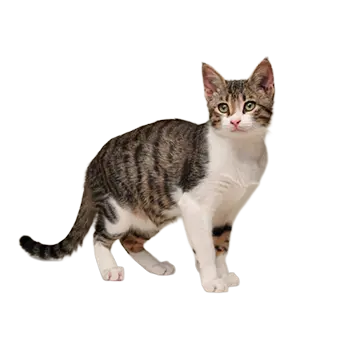

Understanding the Senior Transition

The Cyprus cat is generally considered to enter its senior years around ten to twelve years of age, though individual variation is significant and influenced by genetics, lifetime nutrition, environmental factors, and overall health history. As a naturally developed landrace with a broad genetic base, the Cyprus breed often ages with more resilience than heavily inbred pedigree lines, but no cat is exempt from the cumulative effects of biological aging. Understanding what changes to expect and how to respond to them is the foundation of compassionate senior care.

The transition from adult to senior is rarely abrupt. Instead, it manifests as a gradual constellation of changes that may be easy to overlook if you see your cat every day. Activity levels decline incrementally, sleep duration increases, and the cat may show less enthusiasm for vigorous play while still enjoying gentler interactive sessions. These shifts are normal aspects of aging, but they can also mask underlying medical conditions that accelerate decline if left unaddressed. The key is to distinguish between the expected and the pathological, a task best accomplished through regular veterinary monitoring.

Senior cats benefit from a home environment that accommodates their changing physical abilities. Steps or ramps to favorite elevated resting spots, litter boxes with low entry sides, food and water bowls placed at a comfortable height, and soft, warm bedding in draft-free locations all reduce the physical effort required for daily routines. These modifications are not indulgences; they are functional accommodations that directly affect the cat's comfort, mobility, and willingness to eat, drink, and eliminate normally.

The emotional bond between a senior Cyprus cat and its family often deepens as the cat ages. Many senior Cyprus cats become more affectionate and attentive to their owners, seeking proximity and physical contact with greater frequency than during their more independent adult years. Honoring this increased desire for companionship and responding with patience, gentleness, and consistent presence contributes meaningfully to the aging cat's sense of security and wellbeing.

Nutrition for the Aging Body

The nutritional needs of a senior Cyprus cat differ substantially from those of a younger adult. Metabolic rate declines with age, meaning that caloric requirements decrease even as the need for high-quality protein may increase to combat the progressive loss of lean muscle mass known as sarcopenia. A veterinarian-guided transition to a senior-formulated cat food that provides concentrated, highly digestible protein along with controlled calories, added joint-support nutrients, and enhanced levels of antioxidants is appropriate for most aging Cyprus cats.

Kidney function declines in the majority of cats as they age, and chronic kidney disease is the most common cause of illness and death in geriatric felines. Dietary management is a cornerstone of kidney disease treatment once the condition is diagnosed. Prescription renal diets are formulated with restricted but high-quality protein, reduced phosphorus, added omega-3 fatty acids, and increased B vitamins to slow disease progression and improve quality of life. Your veterinarian will advise on the appropriate time to introduce a renal diet based on blood work and urinalysis results.

Hydration becomes increasingly critical for the senior cat. Aging kidneys lose concentrating ability, producing more dilute urine and increasing the risk of dehydration. Encourage fluid intake by offering wet food as a significant component of the diet, providing multiple water sources throughout the home, and using water fountains that appeal to the cat's preference for moving water. Some owners add a small amount of low-sodium chicken broth or tuna water to the cat's regular water to increase palatability, though any dietary additions should be discussed with the veterinarian.

Appetite changes are common in senior cats and can stem from multiple causes including dental disease, diminished sense of smell, nausea from kidney dysfunction, or the effects of medications. If your senior Cyprus cat becomes a reluctant eater, warm the food slightly to enhance its aroma, offer smaller meals more frequently throughout the day, and experiment with different textures and flavors to identify what the cat will accept. Unexplained weight loss, whether gradual or sudden, always warrants prompt veterinary evaluation.

Common Age-Related Health Conditions

Chronic kidney disease stands as the most prevalent serious health condition in senior and geriatric cats. The disease is progressive and irreversible, but early detection through routine blood work and urinalysis allows for interventions that significantly slow its advancement and extend comfortable life. The International Renal Interest Society staging system classifies kidney disease into four stages based on blood creatinine, SDMA levels, proteinuria, and blood pressure, and treatment strategies are tailored to the stage at diagnosis. Management may include dietary modification, subcutaneous fluid administration, phosphorus binders, anti-nausea medications, and blood pressure control.

Hyperthyroidism is another condition that disproportionately affects cats over eight years of age. It results from an overproduction of thyroid hormones, usually by a benign adenoma in one or both thyroid glands. Signs include weight loss despite a normal or increased appetite, increased thirst and urination, hyperactivity or restlessness, vomiting, and a palpably enlarged thyroid gland. Treatment options include daily oral medication with methimazole, radioactive iodine therapy, surgical thyroidectomy, or a prescription iodine-restricted diet. The choice of treatment depends on the severity of the disease, the presence of concurrent conditions, and practical considerations for the owner.

Diabetes mellitus occurs when the pancreas fails to produce adequate insulin or the body becomes resistant to insulin's effects, resulting in chronically elevated blood glucose. Obese cats are at significantly higher risk, underscoring the importance of weight management throughout the adult years. Treatment typically involves twice-daily insulin injections, dietary management with a high-protein, low-carbohydrate food, and regular glucose monitoring. Some diabetic cats achieve remission with aggressive early treatment, particularly if excess weight is addressed.

Degenerative joint disease, or osteoarthritis, is far more common in senior cats than previously recognized. Studies using radiographic screening have found evidence of arthritis in the vast majority of cats over twelve years of age, though many owners do not recognize the signs because cats tend to hide pain. Behavioral indicators of joint pain include reluctance to jump to previously favored heights, difficulty using stairs, stiffness after rest, reduced grooming of hard-to-reach areas, and irritability when handled. Treatment may include joint supplements containing glucosamine and omega-3 fatty acids, non-steroidal anti-inflammatory drugs prescribed by a veterinarian, environmental modifications, and physical therapy.

Cognitive Decline & Behavioral Changes

Cognitive dysfunction syndrome is the feline equivalent of dementia and affects a significant proportion of cats over fifteen years of age, with subtler changes often detectable several years earlier. The condition results from degenerative changes in the brain and manifests through a cluster of behavioral alterations that can be summarized by the acronym DISHAAL: disorientation, interaction changes, sleep-wake cycle disturbances, house soiling, altered activity levels, anxiety, and altered learning and memory.

A senior Cyprus cat with early cognitive dysfunction may appear confused in familiar surroundings, staring at walls or getting stuck in corners. It may vocalize excessively, particularly at night, with a distinctive, plaintive cry that differs from normal communication. The cat's relationship with family members may change, becoming either unusually clingy or increasingly withdrawn. Litter box reliability may deteriorate despite the absence of urinary tract disease or other medical explanations.

Management of cognitive dysfunction syndrome involves a multimodal approach. Environmental enrichment appropriate to the cat's physical abilities can help maintain neural function, much as mental activity benefits aging humans. Consistent daily routines provide a predictable framework that reduces anxiety and confusion. Night lights in hallways and rooms the cat frequents can help with disorientation in the dark. Your veterinarian may recommend dietary supplements including antioxidants, omega-3 fatty acids, and medium-chain triglycerides that have shown some benefit in supporting brain health, as well as pharmaceutical options for anxiety or disrupted sleep cycles.

It is essential to differentiate cognitive dysfunction from treatable medical conditions that can produce similar behavioral changes. Hyperthyroidism, hypertension, pain from arthritis or dental disease, urinary tract infections, and sensory loss, including progressive blindness or deafness, can all cause behavioral alterations that mimic cognitive decline. A thorough veterinary workup should always precede a presumptive diagnosis of cognitive dysfunction to ensure that treatable conditions are not overlooked.

Pain Recognition & Management

Cats are evolutionary masters of pain concealment, a survival strategy that served their wild ancestors well but creates a significant challenge for owners and veterinarians trying to identify and treat pain in the domestic setting. The senior Cyprus cat may be experiencing chronic pain from arthritis, dental disease, or other age-related conditions without displaying the obvious distress signals, such as vocalization or limping, that most owners associate with pain. Learning to read the subtler signs of feline pain is one of the most important skills a senior cat owner can develop.

Behavioral indicators of chronic pain in cats include changes in facial expression, particularly a tightened or squinting appearance around the eyes and a flattened ear position. Reduced grooming, especially of the lower back, hindquarters, and legs, may indicate that the cat finds certain postures painful. A cat that once greeted family members at the door but now stays in its bed may be reluctant to move due to joint stiffness. Changes in litter box habits, including eliminating just outside the box, may result from pain associated with stepping over the box's edge.

Modern veterinary medicine offers a growing range of options for managing chronic pain in senior cats. Non-steroidal anti-inflammatory drugs formulated specifically for feline use can provide significant relief from arthritic pain when prescribed and monitored by a veterinarian. Gabapentin is widely used for both pain management and anxiety reduction in senior cats. Solensia, a monoclonal antibody therapy administered as a monthly injection, represents a newer approach to osteoarthritis pain in cats that avoids the gastrointestinal and renal side effects associated with traditional anti-inflammatory medications.

Complementary approaches to pain management can be used alongside pharmaceutical treatment. Gentle physical therapy and range-of-motion exercises help maintain joint flexibility. Heated beds and pads provide soothing warmth to stiff joints. Acupuncture performed by a certified veterinary acupuncturist has shown benefit in some cats with chronic pain conditions. Weight management remains one of the most impactful interventions, as every excess gram of body weight increases the mechanical load on already compromised joints.

Environmental Adaptations for Senior Cats

As the Cyprus cat ages, the home environment should evolve to accommodate its changing physical capabilities and sensory acuity. Thoughtful environmental modifications can make the difference between a senior cat that remains engaged, comfortable, and confident in its surroundings and one that retreats into inactivity and isolation because daily routines have become physically challenging or disorienting.

Accessibility is the primary concern. Senior cats with arthritis or reduced muscle mass may no longer be able to jump to their favorite elevated resting spots. Providing ramps, pet stairs, or a series of intermediate platforms that create a stepped pathway to elevated surfaces allows the cat to continue accessing preferred perches without painful jumping. Litter boxes should have at least one low-entry side, no higher than three to four inches, to eliminate the need to step over a high edge. Place litter boxes on every floor of a multi-story home so the senior cat is never required to navigate stairs to reach one.

Sensory decline is common in geriatric cats. Progressive vision loss may cause the cat to bump into furniture or hesitate in dimly lit areas. Keeping furniture in consistent positions, avoiding major rearrangements of the home layout, and providing night lights in key areas help a vision-impaired cat navigate confidently. Hearing loss is typically gradual and bilateral. A deaf or hearing-impaired cat should never be allowed outdoors unsupervised, as it cannot hear approaching vehicles or predators. Indoors, approach the cat from its line of sight and use gentle vibrations, such as tapping the floor near it, rather than sudden touches that may startle.

Thermal comfort becomes increasingly important for aging cats, whose metabolic capacity to generate and retain body heat diminishes over time. Provide warm, padded bedding in draft-free locations, and consider heated cat beds during cooler months. Ensure that the cat's preferred resting areas receive natural sunlight during the day when possible, as senior cats often seek out warm spots with more determination than their younger counterparts. The sleeping area should be easily accessible from food, water, and litter facilities to minimize the distance the cat must travel for essential activities.

Veterinary Monitoring & Quality of Life Assessment

Senior Cyprus cats should be examined by a veterinarian at least twice per year, with more frequent visits as warranted by the presence and severity of age-related conditions. Each biannual examination should include a thorough physical assessment, body weight and muscle condition evaluation, blood pressure measurement, comprehensive blood work including a complete blood count, serum chemistry panel, and thyroid hormone level, and a complete urinalysis. These diagnostics form the surveillance framework that enables early detection of disease.

Trending laboratory values over time is more informative than any single data point in isolation. A creatinine level that is within the normal reference range but has increased by thirty percent over the past year is a more concerning finding than a stable value that sits slightly above the upper limit of normal. This is why establishing baseline values during the healthy adult years and maintaining a consistent testing cadence throughout the senior period is so valuable. Ask your veterinarian to review trends at each visit rather than simply reporting whether individual values are normal or abnormal.

Quality of life assessment is an ongoing responsibility for the owner of a senior cat. Several validated quality-of-life scoring tools are available that help owners evaluate their cat's condition across multiple domains including pain, mobility, appetite, hydration, hygiene, happiness, and the balance of good days versus bad days. Regularly reviewing these domains, either through a formal scoring system or through honest self-reflection, helps owners recognize when their cat's comfort is declining and when conversations with the veterinarian about palliative care adjustments or end-of-life planning should begin.

The goal of senior veterinary care is not to extend life at all costs but to maximize the quality and comfort of the time remaining. Some conditions in geriatric cats are manageable but not curable, and treatment decisions should always be made with the individual cat's comfort and dignity as the guiding priorities. Open, ongoing dialogue with your veterinarian about prognosis, treatment burden, and the cat's day-to-day experience ensures that decisions are informed, compassionate, and centered on the cat's best interests.

Always consult a qualified professional before making any health-related decisions. This content is provided for informational reference only and should not replace professional guidance specific to your animal.