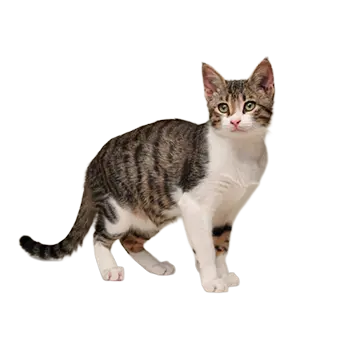

Breeding the Cyprus cat carries responsibilities that differ meaningfully from breeding most pedigree feline breeds. The Cyprus is a landrace, a naturally occurring population shaped over thousands of years by environmental pressures, natural selection, and cohabitation with human communities on the island of Cyprus rather than by deliberate selective breeding programs. This distinction has profound implications for how responsible breeding should be approached. The goal is not to impose a narrowing aesthetic standard but to preserve the genetic diversity, physical robustness, and behavioral adaptability that define the breed's identity.
Before undertaking any breeding program, a prospective breeder must honestly assess their capacity to provide veterinary care throughout pregnancy and the neonatal period, to house and socialize kittens for a minimum of twelve weeks, to screen potential adopters thoroughly, and to accept lifetime responsibility for every kitten produced, including taking back any cat whose owner can no longer care for it. Breeding is not a revenue-generating activity for a responsible individual; the costs of health testing, veterinary care, quality nutrition, and proper socialization typically exceed any adoption fees collected.
The global population of Cyprus cats outside the island of origin is relatively small, and breeding efforts should prioritize maintaining genetic breadth rather than intensifying particular physical traits. Inbreeding and linebreeding that increase the coefficient of inbreeding should be avoided, as the accumulation of homozygosity erodes the very genetic diversity that gives the landrace its health advantage. Pedigree records, where available, should be consulted to ensure that mating pairs are not closely related.
Anyone considering breeding Cyprus cats should also consider the broader context of feline overpopulation. Millions of cats are euthanized in shelters annually because there are more cats than available homes. A responsible breeder contributes to the species by producing well-socialized, health-tested kittens placed in carefully vetted homes, not by adding to the surplus of cats without guaranteed placement. Every litter should be planned with specific homes in mind or a proven track record of finding appropriate placements.