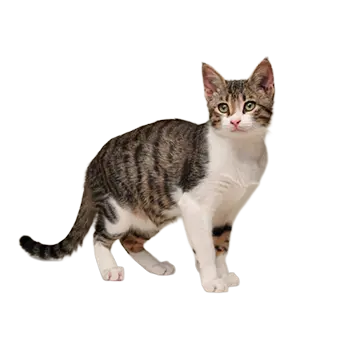

Recognizing the Final Stage

The transition from manageable senior decline to the terminal phase of life is not always marked by a single dramatic event. For many Cyprus cats, it is a gradual accumulation of changes that eventually crosses a threshold where the cat's suffering outweighs the comfort that care can provide. Recognizing this transition requires both clinical objectivity and an intimate familiarity with the individual cat, as the signs that signal the end of life can be subtle and easily rationalized by an owner who is not yet ready to accept what they are seeing.

Weight loss that continues despite adequate caloric intake is one of the most reliable indicators that the body is failing. In the final stage, muscle wasting becomes pronounced, and the cat's skeletal landmarks, including the spine, hips, and shoulder blades, become increasingly prominent beneath the coat. The cat may eat less and less, or stop eating entirely, as organ function deteriorates and nausea or pain suppresses appetite. Some cats continue to show interest in food but are unable to consume enough to sustain themselves.

Withdrawal from social interaction is a hallmark of the final stage, particularly in a breed as social as the Cyprus. A cat that has spent its life seeking human companionship may begin spending extended periods hiding in closets, under beds, or in other secluded locations. This behavior reflects both the instinctive feline response to vulnerability and the physical discomfort that makes normal social engagement exhausting. While some cats become paradoxically more clingy in their final weeks, seeking constant physical contact with their owners, many retreat into quiet solitude.

Other signs that a Cyprus cat may be approaching the end of its life include persistent dehydration despite fluid supplementation, labored or open-mouth breathing, loss of interest in grooming leading to a dull and unkempt coat, incontinence, loss of coordination or balance, and a general stillness and unresponsiveness that contrasts sharply with the cat's former personality. None of these signs in isolation confirms that euthanasia is immediately necessary, but their presence, especially in combination, signals that an honest conversation with your veterinarian about prognosis and comfort is urgently needed.

Quality of Life Assessment

Quality of life assessment is the framework through which owners and veterinarians collaborate to determine whether a terminally ill or severely declining cat is still experiencing more comfort than suffering. Several structured assessment tools exist for this purpose, the most widely referenced being the HHHHHMM scale developed by veterinary oncologist Dr. Alice Villalobos, which evaluates seven domains: hurt, hunger, hydration, hygiene, happiness, mobility, and whether the cat has more good days than bad.

Each domain is scored on a scale, and while the numerical output provides a useful benchmark, the most valuable aspect of the exercise is the honest, systematic evaluation of the cat's daily experience. A cat that scores adequately in most categories but is in uncontrollable pain has a poor quality of life regardless of its total score. Conversely, a cat that has lost mobility but is still eating, purring, and engaging with its family may have a quality of life that remains acceptable. The tool is a guide to structured thinking, not a substitute for clinical and personal judgment.

Keeping a daily diary during the final weeks or months can help owners track trends that are difficult to perceive in the moment. Record observations about appetite, water intake, mobility, social behavior, pain indicators, litter box use, and the cat's overall demeanor each day. Over time, patterns emerge that may not be apparent from one day to the next. A diary that shows a steadily declining trajectory, even with periodic good days interspersed, provides a clearer picture than relying on the hope generated by an occasional bright afternoon.

Discussions about quality of life should involve every member of the household who has a relationship with the cat, including children old enough to participate meaningfully. Different family members may have different observations and perspectives, and the collective assessment is typically more accurate and balanced than any single individual's view. Your veterinarian is an essential partner in this process, providing clinical insight that grounds the emotional weight of the decision in medical reality.

Palliative & Hospice Care

Palliative care focuses on managing symptoms and maintaining comfort when cure is no longer possible. For the Cyprus cat in its final stage of life, palliative care may involve a combination of pain management, nutritional support, hydration therapy, environmental modifications, and the thoughtful discontinuation of treatments that no longer serve the cat's comfort. The objective shifts from extending life to ensuring that whatever time remains is as free from suffering as possible.

Pain management is typically the most important component of feline palliative care. The medications and dosages appropriate for a cat in the terminal phase may differ from those used during earlier stages of disease. Opioid analgesics, gabapentin, and non-steroidal anti-inflammatory drugs each have roles depending on the source and severity of pain, and your veterinarian may adjust the regimen frequently as the cat's condition evolves. Keeping the cat comfortable is the priority, and concerns about long-term side effects of medications are appropriately deprioritized when the prognosis is measured in weeks rather than years.

Subcutaneous fluid therapy can be administered at home by owners who have been trained by their veterinarian. For cats with advanced kidney disease or those who are no longer drinking adequately, regular fluid supplementation helps maintain hydration, reduces nausea, and supports the function of remaining kidney tissue. The procedure involves inserting a small needle under the skin between the shoulder blades and allowing a prescribed volume of balanced electrolyte solution to absorb. Most cats tolerate the procedure well, and it can meaningfully improve comfort during the final weeks.

Hospice care extends the concept of palliation to encompass the total environment and daily experience of the dying cat. This means ensuring the cat has quiet, comfortable resting areas with easy access to food, water, and litter facilities. It means providing gentle physical contact and companionship without overstimulation. It means accepting that the cat may no longer eat its prescribed diet and offering whatever foods it will accept, including treats and human foods that would normally be discouraged, simply to provide the pleasure of tasting something it enjoys. Hospice care is a philosophy of comfort-first living that honors the cat's remaining capacity for contentment.

The Euthanasia Decision

The decision to euthanize a beloved companion animal is among the most difficult any pet owner will face. For many owners of Cyprus cats, the bond formed over twelve, fifteen, or more years of shared life makes the prospect of choosing to end that life feel unbearable. It is natural and expected to feel grief, guilt, uncertainty, and a desperate wish for more time. Acknowledging these emotions rather than suppressing them is an important part of navigating this decision with integrity and compassion.

Veterinarians often counsel owners that it is better to euthanize a day too early than a day too late. This guidance reflects the clinical reality that the final decline in a terminally ill cat can involve significant suffering, and that waiting for an unmistakable crisis before acting may mean that the cat endures unnecessary pain, fear, and distress in its final hours. The goal of euthanasia is to spare the cat from suffering that can no longer be adequately managed, not to wait until suffering has already become extreme.

If you are struggling with the timing of the decision, ask yourself whether you are keeping the cat alive for its benefit or for yours. This is not a judgment but an honest question that can clarify the motivations behind the desire to continue treatment. A cat that is no longer eating, that hides continuously, that shows signs of uncontrolled pain, or that has more bad days than good is communicating through its behavior that its quality of life has fallen below an acceptable threshold. Listening to that communication, however painful, is the final act of advocacy an owner can perform.

Consult with your veterinarian openly about what to expect from the cat's condition going forward. Ask about the likely trajectory of decline, the available options for maintaining comfort, and the veterinarian's professional assessment of the cat's current quality of life. Most veterinarians will not make the decision for you, but they can provide the clinical perspective needed to make an informed choice. Some owners find it helpful to set specific criteria in advance, identifying particular milestones of decline that will serve as the signal to schedule euthanasia, so the decision is made rationally rather than in the midst of a crisis.

What to Expect During Euthanasia

Understanding the euthanasia process in advance can reduce anxiety and allow you to be fully present with your cat during its final moments. The procedure is designed to be painless and peaceful. Most veterinarians begin by administering a sedative, either by injection or orally, that allows the cat to relax deeply and become unaware of its surroundings. This sedation phase may take five to fifteen minutes and allows the cat to drift into a calm, sleepy state while being held and comforted by its owner.

Once the cat is fully sedated, the veterinarian administers an overdose of a barbiturate anesthetic, typically pentobarbital, through an intravenous injection. This drug stops brain function and cardiac activity within seconds. The cat does not experience pain, fear, or awareness during this process. Death occurs peacefully while the cat is already in a deep state of unconsciousness from the sedative. The entire procedure, from sedation to passing, typically takes less than twenty minutes.

You may observe certain physical phenomena after death that are normal and do not indicate suffering. These can include a final deep breath or sigh, involuntary muscle twitches, relaxation of the bladder or bowels, and the eyes remaining open. These are reflexive responses of the body after consciousness has ceased and should not be interpreted as signs of distress or awareness. Your veterinarian will confirm the absence of a heartbeat and breathing to verify that death has occurred.

Many veterinarians offer the option of performing euthanasia in the home, allowing the cat to pass in its most familiar and comfortable environment. Home euthanasia can be particularly appropriate for cats that experience significant stress during car rides or veterinary visits. If this option is important to you, discuss availability and logistics with your veterinarian well in advance of the anticipated date so that arrangements can be made without time pressure.

Aftercare & Memorial Options

Decisions about the care of your cat's remains should ideally be considered before the day of euthanasia, though many veterinary clinics can hold the body for a short period if you need time. The primary options are communal cremation, where the cat's remains are cremated along with those of other animals and the ashes are not returned; individual cremation, where the cat is cremated separately and the ashes are returned to the owner in an urn or container; and home burial, which is permitted in many but not all jurisdictions and should be conducted in accordance with local regulations regarding depth and proximity to water sources.

Individual cremation is the most commonly chosen option and allows owners to keep, scatter, or inter their cat's ashes in a location that holds personal significance. Cremation providers offer a range of memorial urns, from simple wooden boxes to custom ceramics, as well as keepsake items such as paw print impressions in clay or ink, glass art containing a small portion of ashes, and engraved memorial stones. Some owners find that these tangible remembrances provide comfort during the grieving process.

Creating a memorial for your Cyprus cat can take many forms beyond physical remains. Compiling photographs and videos into a memory album, planting a tree or garden in the cat's favorite outdoor spot, making a donation to an animal welfare organization in the cat's name, or commissioning a portrait from a pet artist are all meaningful ways to honor the relationship. There is no correct or expected way to memorialize a pet, and the most appropriate memorial is whichever one resonates with the individual owner and family.

If other pets are in the household, they may exhibit behavioral changes following the death of a companion. Cats are more attuned to the social dynamics of their environment than they are often given credit for, and the absence of a housemate can trigger changes in eating, sleeping, vocalization, and activity patterns. Allow surviving pets to investigate the deceased cat's resting areas and belongings if they choose to, maintain normal routines as much as possible, and provide additional attention and enrichment during the adjustment period.

Grief & Healing

The grief that follows the loss of a Cyprus cat that has been a companion for a decade or more is genuine, profound, and deserving of the same respect and space that is afforded to any significant bereavement. The bond between a person and a beloved cat is built on years of daily companionship, mutual trust, and shared routine, and its severance creates a real and lasting absence that affects emotional wellbeing, daily structure, and sense of purpose. Anyone who minimizes the loss of a pet as less significant than the loss of a human is failing to understand the nature of the attachment.

Grief does not follow a linear path. You may experience waves of sadness interspersed with periods of relative normalcy. Guilt is one of the most common and corrosive emotions reported by pet owners after euthanasia, often manifesting as second-guessing the timing of the decision, wondering whether more could have been done, or feeling responsible for the cat's suffering. These feelings are normal and almost universal among caring owners. Speaking them aloud to a trusted friend, family member, or counselor can significantly reduce their weight.

Pet loss support resources are increasingly available and can provide meaningful help during the grieving process. Many veterinary schools operate pet loss hotlines staffed by trained counselors. Online support communities connect grieving owners with others who understand the depth of the loss. Licensed therapists who specialize in grief counseling, including pet-specific grief, can provide professional support for individuals who are struggling to process their emotions. Seeking help is not a sign of weakness or an overreaction; it is a healthy response to a significant loss.

The question of whether and when to bring a new cat into the home after a loss is deeply personal. Some people find that the emptiness of a home without a cat is itself a source of ongoing pain and choose to adopt relatively quickly. Others need months or years before they are ready to open their hearts to a new animal. There is no correct timeline, and no new cat replaces the one that was lost. What a new companion offers is not a replacement but a new relationship with its own unique character, and for many people, the decision to love another cat after loss is itself an act of healing and a testament to the enduring value of the human-animal bond.

Always consult a qualified professional before making any health-related decisions. This content is provided for informational reference only and should not replace professional guidance specific to your animal.