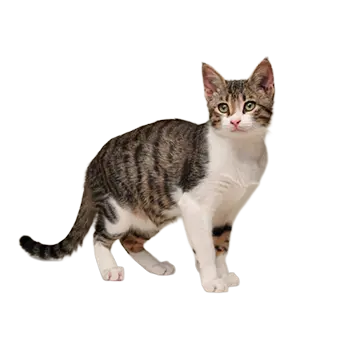

The Cyprus cat is one of the oldest naturally occurring breeds in the world, with a lineage tracing back thousands of years to the island of Cyprus. This hardy heritage means that Cyprus queens are generally capable and instinctive mothers, but the first day of a kitten's life still demands careful observation. Kittens are born blind, deaf, and unable to regulate their own body temperature, relying entirely on their mother and the nest environment for survival. A typical Cyprus litter ranges from three to six kittens, and each one should be briefly inspected after birth to confirm that the airway is clear and the umbilical cord has been severed without excessive bleeding.
The single most important event in the first hours is the ingestion of colostrum. This first milk, produced by the queen for roughly the initial 24 to 48 hours after birth, is dense with maternal antibodies that provide passive immunity against common feline diseases. Without adequate colostrum intake, kittens are significantly more vulnerable to infection during the neonatal period. Cyprus queens are typically attentive nursers, but first-time mothers may need gentle guidance to ensure that every kitten in the litter finds a nipple and latches successfully.
The whelping area should be kept warm, clean, and free from disturbance. Position the nesting box in a quiet corner of the home where foot traffic, other animals, and sudden noises are minimized. Cyprus cats are known for their adaptability, but even the most relaxed queen benefits from a calm environment immediately after delivery. The bedding should be soft, absorbent, and easy to replace, as the nest will need frequent cleaning during the first week.
Weigh each kitten shortly after birth using a digital kitchen scale and record the result. A healthy Cyprus newborn generally weighs between 80 and 120 grams, depending on litter size and the mother's condition. Daily weighing for the first two weeks is the most reliable method for confirming adequate nutrition. A kitten that does not gain weight within 24 hours of birth, or that loses more than ten percent of its birth weight, should be evaluated by a veterinarian without delay.