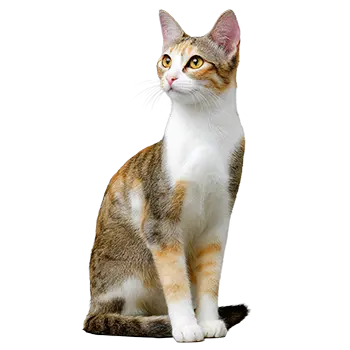

Veterinary medicine generally classifies cats as senior between the ages of eleven and fourteen, and geriatric at fifteen and beyond, though these boundaries are guidelines rather than rigid thresholds. The Aegean, with a typical lifespan of twelve to sixteen years and the constitutional vigor of a natural landrace breed, often ages gracefully, and the transition into the senior stage may be subtle. The cat that once launched itself to the top of a six-foot cat tree in a single leap may begin taking an intermediate shelf on the way up. Play sessions that once lasted twenty minutes may wind down at ten. Appetite may become more selective, and sleep patterns may shift.
These gradual changes are easy to dismiss as normal slowing, and many of them are. But the senior years are also the period when chronic diseases begin to emerge, and distinguishing age-appropriate changes from early disease signs requires attentive observation and regular veterinary evaluation. The most common conditions seen in senior cats — chronic kidney disease, hyperthyroidism, diabetes mellitus, hypertension, and osteoarthritis — all benefit enormously from early detection, when intervention can slow progression and preserve quality of life.
Begin keeping a structured log of your Aegean's daily habits once it reaches ten years of age. Record food intake, water consumption, litter box output (volume and frequency of urination and defecation), activity level, sleep patterns, and any behavioral changes. This log transforms vague impressions into concrete data and provides your veterinarian with the longitudinal context needed to interpret examination findings and laboratory results accurately.
The emotional dimensions of the senior transition deserve acknowledgment as well. An aging Aegean may become more dependent on routine, more sensitive to changes in the household, and more reliant on the presence of its preferred human companions. These shifts are not signs of weakness or decline — they reflect the deepening of the bond that has developed over a decade or more of shared life. Responding to the senior cat's evolving needs with patience and consistency is as important as the medical care discussed in the sections that follow.