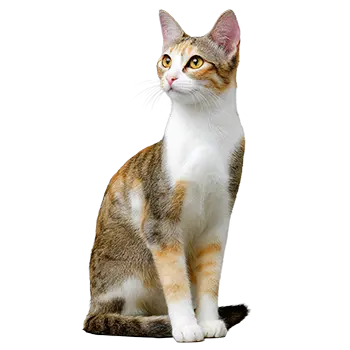

The Aegean is a natural breed that originated on the Cycladic Islands of Greece, and centuries of survival in a semi-feral environment have endowed these cats with strong maternal instincts and comparatively hardy neonates. Even so, the first day of life remains a critical period that demands careful observation. Aegean queens typically deliver litters of three to five kittens, and each kitten should be checked shortly after birth to confirm that the amniotic sac has been cleared, breathing is unobstructed, and the umbilical cord has been severed naturally by the mother. Intervene only if the queen appears confused or neglects a kitten for more than a minute after delivery.
Colostrum intake within the first two hours is essential. This first milk provides the concentrated maternal antibodies that form the foundation of neonatal immunity, and a kitten that misses this window faces significantly higher risk of infection during the vulnerable early weeks. Aegean mothers are generally attentive nursers, but first-time queens may benefit from gentle guidance if a kitten is struggling to find a nipple. Position the kitten against the mother's belly and allow its rooting reflex to take over.
Record each kitten's birth weight using a digital kitchen scale accurate to the gram. A healthy Aegean newborn typically weighs between 85 and 115 grams, though litter size can influence individual birth weights. Smaller litters tend to produce slightly larger kittens. This initial measurement becomes the baseline against which all subsequent growth is tracked, so accuracy matters.
Keep activity around the nesting area to an absolute minimum during the first day. The queen needs uninterrupted time to bond with her litter, clean each kitten, and establish nursing rhythms. Dim the lights, minimize foot traffic, and keep other household pets entirely away from the room. Brief, quiet check-ins to confirm that all kittens are nursing and that the mother is resting comfortably are sufficient during this period.