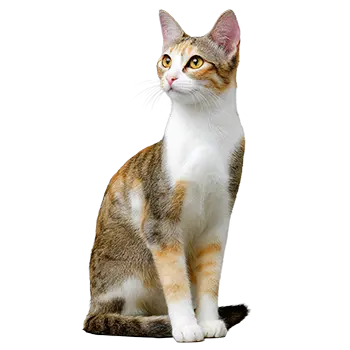

Physical Maturity & Breed Characteristics

The Aegean reaches full physical maturity between twelve and eighteen months of age, settling into the medium-sized, muscular build that reflects centuries of natural selection on the Greek Cycladic Islands. Adult males typically weigh between nine and twelve pounds, while females range from seven to ten pounds. The body is well-proportioned and athletic without the cobby heaviness of some breeds or the extreme elongation of others — a functional physique suited to climbing, jumping, and the agile movement patterns that sustained the breed's ancestors as semi-feral hunters and fishing village companions.

The adult coat is the Aegean's most visually distinctive feature. Semi-longhaired with a moderate undercoat, it displays bicolor or tricolor patterns that always include white as the dominant base color, typically covering at least one-third and often two-thirds of the body. The colored patches can be black, blue, red, cream, or tabby in various combinations. Coat texture is silky rather than woolly, which reduces matting relative to breeds with denser undercoats, though regular grooming remains important. Seasonal variation in coat density is common, with the fur thickening noticeably in autumn and thinning during the warmer months.

Eye color in the adult Aegean ranges from green to shades of gold and amber, with green being the most common and most prized in the breed standard. The eyes are almond-shaped and set slightly obliquely, giving the face an alert, intelligent expression. The ears are medium-sized with slightly rounded tips, and the tail is moderately long and well-furred. Overall, the adult Aegean presents a picture of natural, unexaggerated beauty — a cat shaped by environment and function rather than by selective breeding for extreme features.

The breed's physical robustness is one of its defining advantages. Because the Aegean developed as a landrace rather than through controlled pedigree breeding programs, it retains a broad genetic base that contributes to overall constitutional vigor. This does not mean the breed is immune to health problems, but it does mean that the concentrated hereditary conditions found in some heavily line-bred pedigree cats are less prevalent. The adult Aegean in good health is a resilient, energetic animal with a strong constitution.

Nutrition & Weight Management

Maintaining optimal body condition throughout the adult years is one of the most impactful things an owner can do for an Aegean's long-term health. Obesity is the most common nutritional disorder in domestic cats and contributes to diabetes, joint disease, hepatic lipidosis, and reduced lifespan. The Aegean's active temperament provides some natural protection against weight gain, but indoor cats with limited exercise opportunities or free-choice feeding arrangements can still accumulate excess body fat.

Feed a high-quality adult cat food with a named animal protein as the first ingredient. Cats are obligate carnivores, and their metabolic machinery is optimized for deriving energy and essential nutrients from animal-source proteins and fats. Diets heavy in carbohydrates and plant-based fillers are metabolically mismatched to feline physiology and may contribute to blood sugar dysregulation over time. Both wet and dry food have roles in a balanced feeding plan — wet food supports hydration and provides higher protein density, while dry food can support dental health and offers convenience.

Portion control is more reliable than appetite-based feeding for most adult cats. Calculate daily caloric needs based on the cat's ideal body weight, activity level, and metabolic status — a moderately active, neutered adult Aegean typically requires approximately 25 to 35 calories per pound of ideal body weight per day. Divide the total daily ration into two meals offered at consistent times. Measure food by weight or with a standardized measuring cup rather than estimating visually, as even small daily excesses compound over months.

Fresh, clean water should be available at all times. Many Aegeans show a strong preference for running water, and a recirculating cat fountain can increase voluntary water intake significantly compared to a still bowl. Adequate hydration supports kidney function, urinary tract health, and overall metabolic efficiency. If the cat's diet is primarily dry food, water intake becomes even more critical, and supplementing with wet food meals or adding water to kibble can help bridge the gap.

Exercise & Environmental Enrichment

The adult Aegean retains the playful, curious disposition of its kittenhood throughout its prime years, and meeting its need for physical and mental stimulation is essential for preventing obesity, behavioral problems, and the stress-related conditions that can affect under-stimulated indoor cats. Daily interactive play sessions of fifteen to twenty minutes — using wand toys, laser pointers followed by a tangible catch, or fetch games — keep the cat physically active and strengthen the human-animal bond.

Vertical space is a particularly important enrichment element for this breed. Cat trees, wall-mounted shelves, and elevated perches allow the Aegean to climb, survey its territory from height, and engage in the three-dimensional movement that comes naturally to a breed accustomed to navigating rocky island terrain. Position perches near windows where the cat can observe outdoor activity — birds, squirrels, pedestrians, and passing vehicles all provide visual stimulation that occupies the cat's attention for extended periods.

The Aegean's well-known affinity for water can be harnessed as a unique enrichment opportunity. Many individuals enjoy playing with dripping faucets, splashing in shallow basins, or batting at ice cubes floating in a bowl of water. Some Aegeans will even accompany their owners to the bathroom and investigate the shower or bathtub. Supervised access to water play is safe, enjoyable, and provides sensory stimulation that most other breeds would never tolerate.

Puzzle feeders, food-dispensing balls, and foraging mats transform routine mealtimes into cognitive challenges. Rather than presenting the entire daily ration in a bowl, distribute portions across several puzzle devices placed in different locations around the house. This mimics the search-and-capture feeding pattern that cats evolved to perform and engages the Aegean's considerable intelligence. Rotate puzzle devices regularly to prevent habituation, and introduce new ones periodically to maintain the cat's interest.

For owners who wish to provide outdoor access, a secure catio or enclosed outdoor run offers fresh air, sunlight, and natural sensory input without the risks of free roaming. The Aegean's sociable, confident temperament makes it an excellent candidate for leash and harness training as well, and many individuals learn to walk on a leash with patience and positive reinforcement. Supervised outdoor excursions provide enrichment that no indoor setup can fully replicate.

Grooming & Coat Care

The Aegean's semi-longhaired coat is lower-maintenance than that of many longhaired breeds, but it still requires regular attention to remain healthy, clean, and free of mats. A thorough brushing session two to three times per week is sufficient for most adults. A stainless-steel comb and a slicker brush are the most effective tools — the comb works through the coat to detect and gently tease apart any tangles, while the slicker brush removes loose fur and distributes natural skin oils across the coat surface.

Seasonal shedding increases grooming demands significantly. In spring, the heavier winter undercoat sheds out over a period of several weeks, and daily brushing during this time reduces the volume of loose fur deposited on furniture, clothing, and the cat's own digestive tract via self-grooming. Hairball prevention is a practical concern with any semi-longhaired breed, and regular brushing is the most effective first-line measure. If hairballs remain frequent despite diligent grooming, a veterinarian-recommended hairball management diet or a petroleum-based lubricant supplement can provide additional support.

Bathing is rarely necessary for a healthy Aegean and should be reserved for situations where the cat has gotten into something it cannot clean on its own. When bathing is required, use a gentle cat-specific shampoo and lukewarm water. The breed's unusual tolerance for water makes the bathing process less stressful than it is for most cats, but even water-friendly Aegeans should be introduced to the process gradually and rewarded with calm praise and treats to maintain a positive association.

Nail trimming, ear cleaning, and dental care round out the grooming routine. Trim nails every two to three weeks using sharp cat nail clippers, removing only the clear tip beyond the pink quick. Check ears weekly for wax accumulation, debris, or odor, and clean as needed with a veterinarian-approved ear solution. Dental health deserves particular emphasis — periodontal disease is the most common health condition in adult cats, and daily tooth brushing with an enzymatic pet toothpaste, supplemented by dental treats and annual professional cleanings, significantly reduces the risk.

Routine Veterinary Care

Annual wellness examinations are the cornerstone of preventive health care for the adult Aegean. Each visit should include a comprehensive physical examination covering body condition assessment, dental evaluation, cardiac auscultation, abdominal palpation, joint mobility, and skin and coat inspection. Your veterinarian will also review the cat's vaccination status and administer any boosters that are due. Core vaccines are typically boosted every one to three years after the initial series, depending on the product used and local regulations.

Parasite prevention should continue year-round for cats with any outdoor exposure, including supervised garden access or time in an enclosed catio. Monthly flea and tick preventives, along with periodic intestinal parasite screening via fecal examination, protect the cat and its human household members. Indoor-only cats face lower but not zero parasite risk, as fleas can enter homes on shoes, clothing, and other pets, and mosquitoes can transmit heartworm. Discuss the appropriate level of prevention with your veterinarian based on your cat's actual exposure.

Baseline blood work — a complete blood count and serum chemistry panel — is recommended every one to two years during the prime adult period, even in apparently healthy cats. These values establish the individual cat's normal ranges and make it possible to detect subtle changes before clinical signs develop. Thyroid screening and urinalysis can be added as the cat approaches middle age, around seven to eight years, when the incidence of hyperthyroidism and chronic kidney disease begins to rise.

Dental health monitoring is an essential component of every veterinary visit. Periodontal disease progresses silently in many cats, and by the time symptoms such as bad breath, drooling, or reluctance to eat become apparent, significant damage may already have occurred. Professional dental cleanings under anesthesia allow thorough scaling, polishing, and assessment of each tooth, including dental radiographs to evaluate the roots and surrounding bone. The frequency of professional cleanings varies by individual, but most cats benefit from at least one cleaning every one to two years.

Behavioral Health & Social Needs

The Aegean is among the most socially oriented of all cat breeds, and its emotional wellbeing depends heavily on the quality of its relationships with household members. These cats form deep attachments to their families and do not thrive when left alone for extended periods. A single Aegean in a household where all members are away at work or school for eight or more hours daily may develop signs of loneliness-related stress, including excessive vocalization, destructive behavior, over-grooming, or changes in appetite. A second cat or a compatible dog can provide companionship during human absences.

The breed's intelligence demands ongoing mental engagement beyond physical play. Aegeans enjoy learning new things, and many can be taught an impressive range of behaviors through positive reinforcement training — coming when called, sitting on cue, shaking paws, retrieving small toys, and navigating simple agility courses set up indoors. Regular training sessions of just a few minutes daily provide cognitive stimulation, strengthen the bond between cat and owner, and give the cat a constructive outlet for its mental energy.

Stress management is an important consideration for any indoor cat, and the Aegean's sensitivity to its social environment makes it particularly responsive to household changes. Moves, the arrival of a new baby, the loss of a companion animal, changes in the owner's work schedule, and even rearrangement of furniture can trigger stress responses. Maintain as much routine consistency as possible during transitions, and provide the cat with a secure, private retreat — a covered bed, a high shelf, or a dedicated room — where it can withdraw when it feels overwhelmed.

Watch for subtle signs of behavioral distress that may indicate an unmet need. Changes in litter box habits, shifts in social behavior — a previously lap-oriented cat that becomes aloof, or a normally independent cat that becomes clingy — sleep pattern disruptions, and altered grooming habits all warrant attention. Address the underlying cause rather than treating the symptom in isolation. A veterinary visit is appropriate whenever behavioral changes occur suddenly or persist without an obvious environmental explanation, as behavior changes can also signal underlying medical conditions.

Common Adult Health Considerations

The Aegean benefits from the genetic diversity inherent in a natural landrace breed, and as a result it is not associated with the concentrated hereditary diseases that can affect some pedigree lines. However, like all domestic cats, Aegeans remain susceptible to the common feline health conditions that can arise during the adult years. Awareness of these conditions and their early signs enables prompt intervention and better outcomes.

Lower urinary tract disease encompasses a range of conditions including cystitis, urinary crystals, and urethral obstruction, and it is one of the most common reasons adult cats are presented to veterinary clinics. Signs include frequent trips to the litter box, straining to urinate, blood in the urine, urinating outside the litter box, and excessive genital grooming. Males are at higher risk of life-threatening urethral obstruction. Adequate hydration, a diet that promotes slightly acidic urine pH, stress reduction, and prompt veterinary attention at the first sign of urinary changes are the primary preventive and management strategies.

Obesity deserves repeated emphasis because of its pervasive impact on virtually every organ system. An overweight adult Aegean faces increased risk of diabetes mellitus, hepatic lipidosis, osteoarthritis, and skin conditions related to an inability to groom adequately. Monitor body condition at every veterinary visit and at home using the rib-feel and visual waistline tests. If weight gain occurs, address it promptly through portion adjustment and increased activity rather than waiting for it to become a significant problem.

Dental disease, as noted in the grooming and veterinary care sections, is extremely common and often underappreciated as a source of chronic pain and systemic inflammation. Bacteria from periodontal infection can enter the bloodstream and affect the heart, kidneys, and liver. A proactive dental care regimen — home tooth brushing, dental diets or treats, and regular professional cleanings — is among the most impactful health investments an owner can make for an adult cat of any breed.

Hypertrophic cardiomyopathy, the most common feline heart disease, can occur in any breed and may develop without obvious symptoms until a crisis event such as a saddle thrombus or congestive heart failure. Annual cardiac auscultation at wellness visits provides a basic screening, and any murmur or arrhythmia detected should prompt an echocardiographic evaluation by a veterinary cardiologist. Early detection allows medical management that can significantly extend quality of life.

Always consult a qualified professional before making any health-related decisions. This content is provided for informational reference only and should not replace professional guidance specific to your animal.