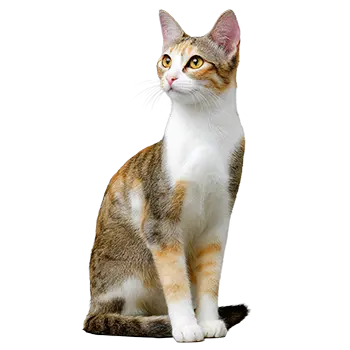

Responsible breeding of the Aegean begins long before any mating takes place. Because the Aegean is a natural breed with a relatively small presence outside its native Greece and a limited number of formal breeding programs worldwide, every breeding decision carries outsized significance for the breed's future genetic health and type preservation. The goal is not merely to produce kittens, but to advance the breed by pairing individuals that complement each other in structure, temperament, coat quality, and genetic diversity.
A queen should not be bred before she has reached full physical and behavioral maturity, which for most Aegean females occurs between twelve and eighteen months of age. Although cats can become reproductively capable as early as five or six months, breeding an immature queen subjects her to the physical demands of pregnancy and lactation before her own skeletal and muscular development is complete, and it increases the risk of obstetric complications. Similarly, the stud should be a fully mature male in excellent health, ideally at least eighteen months old, with a proven temperament consistent with the breed standard.
Pre-breeding health screening is non-negotiable. Both the queen and the stud should receive a comprehensive veterinary examination including a complete blood count, serum chemistry panel, urinalysis, feline leukemia virus and feline immunodeficiency virus testing, and blood typing. The Aegean, like most cats, can carry type A or type B blood, and mismatched blood types between queen and sire can result in neonatal isoerythrolysis — a life-threatening condition in which the queen's colostral antibodies destroy the kittens' red blood cells. Knowing the blood types of both parents allows breeders to anticipate and manage this risk.
Evaluate each candidate against the breed standard's key parameters: medium build with a muscular, well-proportioned body; a semi-longhaired coat with a predominantly white base and clearly defined color patches; green, gold, or amber eyes; and the friendly, confident, sociable temperament that is the hallmark of the breed. Pedigree analysis, where available, should assess the coefficient of inbreeding and identify any shared ancestors that might concentrate deleterious recessive genes. In a breed with the Aegean's limited studbook depth, maintaining genetic diversity is a strategic priority that should inform every pairing.