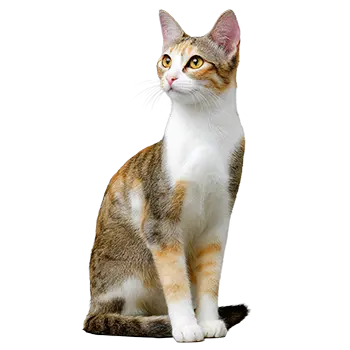

The decision to shift from curative treatment to comfort-focused care is one of the most difficult transitions a cat owner faces, and it is rarely a single moment of clarity. More often, it is a gradual recognition that the Aegean's chronic conditions — kidney disease, cancer, advanced heart disease, or the cumulative burden of multiple age-related ailments — are no longer responding to treatment in a way that preserves meaningful quality of life. Understanding the signs of terminal decline helps owners move through this recognition with greater confidence and less guilt.
Progressive weight loss that continues despite dietary adjustments and appetite stimulants is one of the most reliable indicators of advancing disease. An Aegean that was once a robust, muscular cat may become visibly gaunt as muscle mass wastes and subcutaneous fat diminishes. The spine, hips, and shoulder blades become increasingly prominent, and the cat may feel fragile when lifted. This wasting — known as cachexia when it accompanies serious illness — reflects metabolic changes that cannot be reversed through nutrition alone.
Withdrawal from social interaction is particularly telling in a breed as people-oriented as the Aegean. A cat that spent its entire life seeking out companionship, following household members from room to room, and inserting itself into family activities may begin retreating to quiet corners, hiding under furniture, or spending extended periods in closets or other secluded spots. While some increase in rest is normal in elderly cats, a pronounced and sustained shift away from social engagement suggests that the cat is experiencing a level of discomfort or malaise that overrides its natural sociability.
Other signs of decline include a loss of interest in food even when favorite items are offered, difficulty or reluctance to move, labored breathing, persistent vomiting or diarrhea that does not respond to treatment, incontinence, and a general dullness in the eyes and demeanor that experienced cat owners often describe as the cat having lost its spark. Any single sign may be manageable, but a constellation of these changes developing over days or weeks typically signals that the cat's body is reaching the limits of its capacity to sustain life.