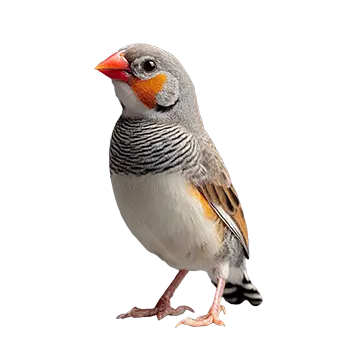

The transition from nest-bound chick to fledgling is one of the most dramatic periods in a Zebra Finch's life. Beginning around day 18 to 21 after hatching, the young bird makes its first tentative exits from the nest box, landing clumsily on the cage floor or the nearest perch. These initial forays are brief and uncoordinated, and the fledgling will typically scramble back into the nest within minutes, driven by the instinct to return to warmth and the security of its siblings. Over the next three to five days, the excursions grow longer and more confident as the bird's flight muscles strengthen and its coordination improves.
The cage setup during fledging requires careful attention. Perches should be positioned at varying heights, with at least one low perch near the cage floor to give newly fledged birds a manageable first landing spot. Avoid placing perches directly above open water dishes, as a fledgling's erratic flight path increases the risk of drowning. Shallow water dishes or partially covered containers are safer during this period. Food dishes should also be accessible from the cage floor, since fledglings spend a significant amount of time on the ground before they master perching and flight.
Parent birds continue to feed fledglings for approximately two to three weeks after they leave the nest. The cock bird typically assumes the primary feeding role during this period, as the hen may already be preparing for or sitting on a subsequent clutch. Watch for the distinctive begging posture of the fledgling, a crouched stance with fluttering wings and a rapid, buzzing vocalization, directed at the father or sometimes at other adult finches in the enclosure. This begging behavior gradually diminishes as the juvenile learns to feed itself.
Do not remove the nest box immediately after fledging. The young birds return to the nest to sleep for several nights after their first flights, and abrupt removal of this refuge can cause significant stress. Once all chicks from the clutch are consistently sleeping on perches rather than in the nest box, typically by about four weeks of age, the box can be removed if you wish to prevent the parents from initiating another breeding cycle.