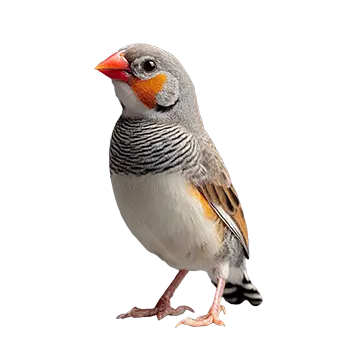

Recognizing Terminal Decline

There comes a point in a Zebra Finch's life when the signs of aging transition from manageable decline into a trajectory that no amount of supportive care can reverse. Recognizing this shift is one of the most difficult tasks a keeper faces, both because finches instinctively mask their suffering and because the emotional bond formed over years of care can cloud objective assessment. Understanding the markers of terminal decline allows the keeper to move from curative efforts to comfort-focused care at the appropriate time, sparing the bird unnecessary interventions that extend life without preserving its quality.

The hallmarks of terminal decline are a sustained, progressive deterioration across multiple body systems. A bird that has been gradually losing weight over weeks despite adequate food access, that no longer perches and instead sits on the cage floor with fluffed feathers, that has stopped vocalizing and shows little interest in its surroundings, and that has visibly altered droppings reflecting organ failure is very likely approaching the end of its life. Any one of these signs in isolation might represent a treatable condition, but when several converge simultaneously and do not respond to veterinary intervention, the clinical picture points toward irreversible decline.

Respiratory deterioration is a particularly telling indicator. A finch in terminal decline may show persistent open-mouth breathing, audible respiratory effort, or a rhythmic tail bob that does not resolve with rest. These signs indicate that the lungs, air sacs, or both are compromised to a degree that the bird cannot maintain adequate oxygenation. In some cases, the underlying cause is treatable, such as a severe air sac mite infestation or bacterial pneumonia, and a veterinary assessment should always be pursued if one has not recently been completed. However, when respiratory decline accompanies other systemic signs of failure, aggressive treatment may cause more suffering than it prevents.

Timing the transition from active treatment to hospice-oriented comfort care is a conversation best had with the avian veterinarian. Bring your health records, describe the bird's trajectory over the preceding weeks, and ask the veterinarian for an honest assessment of the likely outcome with and without continued intervention. A good avian veterinarian will respect the keeper's emotional investment while providing the medical perspective needed to make an informed decision.

Comfort & Supportive Care

Once the decision is made to focus on comfort rather than cure, the keeper's role shifts to making the bird's remaining time as peaceful and pain-free as possible. Comfort care for a terminally declining Zebra Finch centers on warmth, easy access to food and water, a quiet environment, and freedom from unnecessary handling or interventions. The goal is to support the bird's natural processes without imposing stressful procedures that offer no realistic benefit.

Warmth is one of the most important comfort measures for a declining finch. A bird that can no longer thermoregulate effectively will seek warmth instinctively, and providing a supplemental heat source reduces the metabolic burden of maintaining body temperature. A ceramic heat emitter or infrared heat lamp positioned outside the cage, directed at one end so the bird can choose its preferred temperature zone, is effective. Aim for an ambient temperature of 80 to 85 degrees Fahrenheit in the warm zone, with the option for the bird to move to a cooler area if it prefers. Heating pads placed under part of the cage floor provide gentle warmth from below but must be set on low and monitored to prevent overheating.

Food and water should be placed within immediate reach of the bird's resting spot. If the bird is spending most of its time on the cage floor, place shallow dishes of soft, easily consumed food directly beside it. Sprouted seeds, finely mashed egg food, and small amounts of soft fruit provide nourishment without requiring the effort of seed husking. Water can be offered in a very shallow dish to prevent drowning risk in a weakened bird. Some keepers use a small syringe or dropper to offer water directly to the bird's beak a few times per day, but this should only be done if the bird accepts it willingly. Forcing fluids on a bird that resists can cause aspiration and unnecessary distress.

Minimize environmental stressors during this period. Lower the cage to a stable surface rather than leaving it elevated where falls could cause injury. Remove perches that the bird can no longer safely use, leaving only low, flat surfaces. Reduce noise, foot traffic, and disruptions in the bird's room. If the bird is housed with cage mates, observe the group dynamics carefully. In some cases, companions provide warmth and comfort to a declining bird, roosting beside it and preening it gently. In other cases, cage mates may harass or displace a weakened bird, in which case the declining bird should be moved to a separate, quiet enclosure within visual and auditory range of the flock.

Pain Recognition & Management

Pain assessment in a bird as small as a Zebra Finch is inherently challenging. Birds lack the facial expressiveness that mammals use to communicate discomfort, and finches in particular are adapted to suppress visible signs of pain as a survival mechanism. Despite these limitations, keepers can learn to recognize behavioral and postural indicators of pain and work with their veterinarian to provide appropriate relief.

Behavioral signs of pain in finches include guarding specific body parts by favoring one leg or tucking a wing, persistent fluffing of feathers, immobility beyond what would be expected from general weakness, reluctance to eat despite showing interest in food, grinding the beak, which in some contexts may indicate discomfort rather than contentment, and withdrawal from social interaction. A bird in pain may sit with its eyes partially closed for extended periods during the day, a posture sometimes described as squinting. Changes in vocalization patterns, particularly a reduction or cessation of contact calls, can also indicate that the bird is experiencing discomfort.

Pharmacological pain management in finches requires specialized veterinary guidance. Nonsteroidal anti-inflammatory drugs such as meloxicam are commonly used in avian medicine and can be effective in finches when dosed appropriately for the bird's tiny body weight. Dosing must be precise, as the margin between a therapeutic dose and a toxic dose is narrow in a bird weighing 12 to 15 grams. Never administer human pain medications, including aspirin, acetaminophen, or ibuprofen, to a bird without veterinary direction, as some are directly toxic to avian species and others require specialized dosing calculations.

Non-pharmacological comfort measures complement medical pain management. Warmth reduces muscle tension and can alleviate the discomfort associated with arthritis and other musculoskeletal conditions. A padded resting surface, created from a folded cloth or paper towel on the cage floor, cushions pressure points for a bird that can no longer perch. Minimizing handling reduces the pain associated with movement, and any necessary handling should be done with extreme gentleness, supporting the bird's entire body rather than grasping it around the torso. The overarching principle is to reduce every possible source of physical stress and allow the bird to rest in as comfortable a state as can be achieved.

The Euthanasia Decision

Euthanasia is the most difficult decision a pet keeper will ever face, and the decision is no less weighty for a bird as small as a Zebra Finch. The bond between a keeper and a finch that has been part of the household for years is real and deep, and the decision to end the bird's life, even when it is clearly the most compassionate choice, carries a significant emotional burden. Approaching this decision thoughtfully and in partnership with a trusted avian veterinarian helps ensure that the choice is made in the bird's best interest rather than deferred out of the keeper's reluctance to let go.

The central question in any euthanasia decision is whether the bird's suffering outweighs its capacity to experience comfort, social connection, and the simple pleasures of daily life. When a finch can no longer eat, cannot maintain body temperature without maximal external support, is in persistent respiratory distress, or shows signs of unrelenting pain that cannot be adequately controlled with medication, the balance has tipped. Prolonging life under these conditions serves the keeper's emotional needs, not the bird's welfare. A compassionate keeper recognizes this distinction and acts accordingly.

Discuss euthanasia with your avian veterinarian before the situation becomes an emergency. Having the conversation in advance allows you to understand the process, ask questions, and make arrangements without the pressure of an acute crisis. In avian practice, euthanasia is typically performed by first administering a gas or injectable anesthetic to render the bird unconscious and free of pain, followed by an injection of a euthanasia solution that stops the heart. The process is rapid, and the bird experiences no awareness of the final injection. Some veterinarians allow the keeper to be present during the procedure, which can provide a sense of closure.

For keepers in remote areas or situations where veterinary access is not immediately available, consult with a veterinarian by phone or telehealth to discuss the bird's condition and receive guidance. A bird in acute, severe distress with no access to veterinary care is a deeply distressing situation, and having a prior relationship with a veterinarian who can provide remote counsel is invaluable. Under no circumstances should a keeper attempt to euthanize a bird using home methods, as improper techniques can cause extreme suffering.

Sudden Death & Unexpected Loss

Not all Zebra Finch deaths follow a gradual, predictable trajectory. Sudden death, where a seemingly healthy bird is found deceased with no prior warning signs, is a distressing but not uncommon experience among finch keepers. Understanding the potential causes of sudden death provides some measure of context for the loss and may reveal environmental or management factors that can be corrected to protect surviving birds.

Cardiovascular events are a leading cause of sudden death in captive finches. The finch heart beats at an extremely high rate, typically 500 to 800 beats per minute, and is susceptible to stress-induced arrhythmias and cardiac arrest. Night frights, episodes where a bird is startled awake in the dark and panics, crashing around the cage, can trigger fatal cardiac events or traumatic injuries. Prevent night frights by providing a dim night light near the cage, avoiding sudden loud noises during the dark period, and covering the cage with a breathable cloth that blocks shadows and movement while allowing air circulation.

Toxic exposures account for another significant portion of sudden avian deaths. Polytetrafluoroethylene fumes from overheated non-stick cookware can kill birds within minutes, often before the keeper is even aware that a problem exists. Scented candles, aerosol sprays, fresh paint fumes, and certain household cleaners also pose acute respiratory toxicity risks. If a bird dies suddenly, review the environment for any recent introduction of potential airborne toxins and remove them immediately to protect surviving flock members.

Infectious disease can also cause death that appears sudden, even though the bird may have been harboring the infection subclinically for some time. Finches are adept at concealing illness until their physiological reserves are exhausted, at which point decline is precipitous. A bird that seemed fine yesterday may have been fighting an internal infection for weeks. If sudden death occurs, consider having a veterinary necropsy performed on the deceased bird. A necropsy can identify infectious agents, toxicological causes, or organ pathology that explains the death and provides actionable information for the health management of remaining birds.

The emotional impact of sudden loss is often more intense than that of an anticipated death because there is no opportunity to prepare emotionally or to provide comfort care. Allow yourself to grieve without judgment. The loss of a small bird does not warrant less grief than the loss of a larger pet. The relationship was real, and the absence is felt.

Caring for Surviving Flock Mates

The death of a Zebra Finch affects not only the keeper but also the surviving members of the flock, particularly a bonded mate. Zebra Finches are deeply social birds, and the loss of a companion can produce observable behavioral changes that range from subtle and self-resolving to profound and prolonged. Understanding these responses and managing the surviving birds' needs is an important part of the end-of-life process.

A surviving mate may exhibit behaviors that parallel what we recognize as grief in mammals. These include increased vocalization, particularly repetitive contact calls directed toward the area where the deceased bird was last seen, decreased appetite, reduced activity, and prolonged sitting in the spot where the pair used to roost together. Some birds search the cage systematically, returning to the deceased bird's favored perches and peering into the nest box or hiding spots. These behaviors typically diminish over one to two weeks as the surviving bird adapts, but in some individuals, particularly birds that had been paired for many years, the behavioral changes can persist longer and may require intervention.

Maintain the surviving bird's routine as consistently as possible during this period. The regularity of feeding times, light cycles, and cage cleaning provides a stabilizing framework when the social environment has been disrupted. Ensure the bird is eating adequately by monitoring food consumption and body weight. A bird that stops eating following the loss of a companion is at risk of rapid decline, given the high metabolic rate of finches, and may need veterinary attention if appetite does not return within two to three days.

The question of whether and when to introduce a new companion is situation-dependent. A single Zebra Finch will generally benefit from a new cage mate, as prolonged solitary housing is contrary to the species' social nature. However, rushing the introduction while the surviving bird is still in an acute stress response can compound rather than alleviate the problem. A reasonable approach is to allow one to two weeks of stabilization, then introduce a new bird gradually, beginning with adjacent cages for visual and auditory contact before progressing to co-housing. Select a companion of similar age and temperament, and observe the initial interactions closely for signs of aggression or excessive stress in either bird.

If multiple birds remain in the flock after a death, remove the deceased bird promptly but without drama. The surviving flock will adjust more quickly when daily routines continue uninterrupted. Monitor the group for any shifts in social dynamics, as the loss of one individual can destabilize established hierarchies. Additional feeding stations and perching options help buffer against competitive stress during the adjustment period.

Aftercare & Remembrance

After a Zebra Finch has passed, the keeper faces practical decisions about the disposition of the body as well as the emotional process of honoring the relationship. Both deserve thoughtful attention. How a keeper handles aftercare is a personal matter with no single right answer, but understanding the available options helps in making a choice that feels appropriate.

The most common aftercare options for a small bird are burial, cremation, and veterinary disposal. Home burial is a simple, meaningful option for keepers with access to private land. Choose a location away from water sources and bury the bird at a depth of at least 12 inches to prevent disturbance by scavengers. A small marker or planted flower can designate the spot. Pet cremation services are available in most areas and offer both communal and individual cremation, with individual cremation returning the bird's ashes to the keeper in a small urn or container. Veterinary clinics that perform euthanasia typically offer disposal as part of the service, and this is a practical option for keepers who prefer not to manage aftercare themselves.

If the death was unexpected or if multiple birds in the flock have died within a short timeframe, consider requesting a necropsy before proceeding with disposal. A necropsy, the avian equivalent of an autopsy, can identify the cause of death and reveal infectious, toxic, or genetic factors that may pose a risk to surviving birds. Necropsy services are available through avian veterinary clinics, university veterinary schools, and some state diagnostic laboratories. The body should be refrigerated, not frozen, and delivered to the laboratory as quickly as possible after death for the most informative results.

The grief that follows the loss of a pet bird is legitimate and should not be dismissed, either by the keeper or by others in their life. Zebra Finches may be small, but the daily routines of feeding, cleaning, observing, and interacting with them create a bond that their size belies. Some keepers find comfort in creating a small memorial, a photograph, a feather preserved in a keepsake, or a written account of the bird's personality and the memories it created. Others prefer to channel their energy into caring for surviving birds or into planning the next chapter of their avicultural experience.

Allow the grieving process to proceed at its own pace. There is no correct timeline for mourning a pet, and no threshold of significance below which grief becomes irrational. The loss represents the end of a shared daily life, and adjusting to the absence takes time. Keepers who find the grief overwhelming should know that pet loss support resources, including hotlines, support groups, and counseling services, are available and increasingly accessible. Seeking support is not a sign of weakness but a recognition of the genuine bond that existed between keeper and bird.

Always consult a qualified professional before making any health-related decisions. This content is provided for informational reference only and should not replace professional guidance specific to your animal.