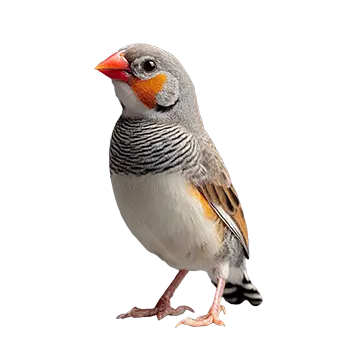

Successful Zebra Finch breeding begins long before the nest box is installed. Selecting the right pair requires attention to age, health, genetics, and temperament, all of which influence fertility, parenting quality, and the vitality of the resulting offspring. While Zebra Finches are among the most readily bred captive birds, producing healthy chicks consistently demands more than simply placing a male and female together and waiting for nature to take its course.
Both birds should be in full adult plumage, in excellent physical condition, and at least six months old before being introduced for breeding. While Zebra Finches can reach sexual maturity as early as three to four months of age, breeding immature birds increases the risk of egg binding in the hen, poor parental behavior, and smaller, less viable clutches. An ideal breeding age is nine to twelve months for a first-time pair, when both birds are physically and behaviorally mature. Hens older than four years should be bred with caution, as the risk of egg-related complications increases with age.
Genetic diversity is an important consideration, particularly for keepers who breed over multiple generations. Inbreeding leads to reduced fertility, smaller clutch sizes, increased chick mortality, and the emergence of hereditary health problems. Maintain detailed records of parentage and avoid pairing birds that share parents or grandparents. When purchasing new breeding stock, seek birds from unrelated bloodlines and request whatever pedigree information the seller can provide. Reputable breeders maintain breeding records and are forthcoming about the lineage of their birds.
Temperament compatibility matters more than many novice breeders realize. While most Zebra Finch pairings proceed without serious conflict, occasionally a pair will prove incompatible, with one bird persistently aggressing toward the other or one partner showing no interest in bonding. Signs of a well-matched pair include mutual preening, proximity maintenance, synchronized roosting, and the male directing his courtship song toward the hen rather than into the void. If aggression or complete disinterest persists after two to three weeks of co-housing, separate the birds and try alternative pairings.