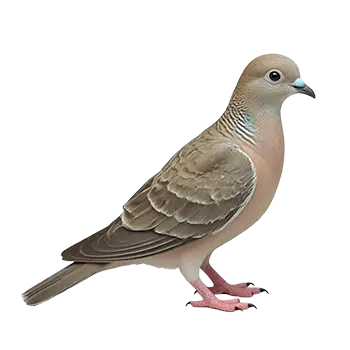

The transition from manageable senior health challenges to terminal decline in a Zebra Dove is not always marked by a single dramatic event. More often, it is a gradual crossing of a threshold where the cumulative burden of age-related conditions overwhelms the bird's capacity to maintain equilibrium. Recognizing this transition is one of the most difficult responsibilities a keeper faces, but it is essential for ensuring that the dove's remaining time is governed by comfort rather than futile intervention.
Terminal decline may manifest as a persistent and accelerating loss of body weight despite adequate food availability and dietary support. A dove that has dropped below 35 grams, when its healthy adult weight was in the 50 to 60 gram range, has lost a critical proportion of its body mass and is unlikely to recover that deficit. The keel bone becomes sharply prominent, and the pectoral muscles waste visibly on either side. This degree of cachexia reflects either an inability to absorb nutrients, an underlying organ failure consuming metabolic reserves, or an advanced disease process that has outpaced the body's capacity for compensation.
Respiratory deterioration is another hallmark of terminal decline. A dove whose breathing has progressed from occasional mild tail-bobbing to persistent open-mouth breathing, audible effort, or episodes of gasping is experiencing respiratory insufficiency that may stem from advanced aspergillosis, cardiac failure, or metastatic disease in the air sacs or lungs. Respiratory distress is one of the most uncomfortable states a bird can endure, and aggressive palliation or humane euthanasia should be discussed with an avian veterinarian promptly when this sign appears.
Behavioral withdrawal provides a qualitative indicator that complements the clinical signs. A Zebra Dove entering terminal decline often becomes progressively less responsive to its environment. A bird that once greeted its keeper with soft cooing and eager attention may sit silently, eyes partially closed, making no effort to interact. It may cease preening entirely, resulting in a disheveled, unkempt appearance. It may abandon its preferred perch in favor of a corner of the cage floor, a posture that in dove body language signals vulnerability and exhaustion. These behavioral changes reflect a fundamental disengagement from the activities of living, and they deserve to be taken seriously as indicators of suffering.