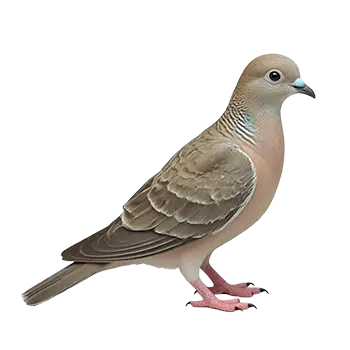

Responsible Zebra Dove breeding begins long before the first egg is laid, with careful assessment of whether the prospective parent birds are physically, behaviorally, and genetically suited for reproduction. Breeding doves that are too young, underweight, unhealthy, or closely related produces weakened offspring and places unnecessary strain on the parents. Taking the time to evaluate readiness thoroughly results in healthier clutches and stronger chicks.
Zebra Doves reach sexual maturity at approximately four to six months of age, but physiological maturity alone does not indicate breeding readiness. Best practice delays breeding until the birds are at least eight to twelve months old and have completed their first full adult molt, ensuring that skeletal development is complete and the bird has accumulated sufficient metabolic reserves to support the demands of reproduction. A dove bred too young may produce infertile eggs, abandon the nest, or suffer health complications that compromise both the breeding attempt and the bird's long-term wellbeing.
Before pairing, both prospective parents should receive a thorough veterinary examination. This assessment should include a physical evaluation of body condition, feather quality, and skeletal integrity, along with fecal analysis for parasites and a crop swab to screen for Trichomoniasis and Candidiasis. Any active health issues must be resolved before breeding is attempted, as the physiological stress of reproduction will exacerbate existing conditions and can be transmitted to offspring. Blood testing for Chlamydiosis is advisable, particularly if either bird has an unknown health history.
Genetic diversity is an important consideration in any breeding program. Avoid pairing closely related individuals, as inbreeding increases the frequency of deleterious recessive traits and reduces the overall fitness of offspring. If records of lineage are unavailable, sourcing mates from different breeders or geographic populations helps maintain genetic breadth. The Zebra Dove does not exhibit strong sexual dimorphism, making visual sex determination unreliable. DNA sexing from a blood or feather sample provides definitive identification and should be performed before pairing if the sex of either bird is uncertain.