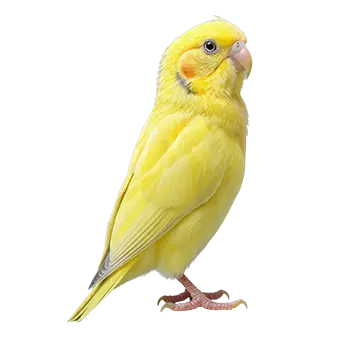

The weaning period represents one of the most consequential transitions in a young Yorkshire Canary's life. Fledging typically occurs between eighteen and twenty-one days of age, but leaving the nest does not mean the chick is ready to eat independently. The weaning process unfolds over approximately two to three additional weeks, during which the young bird gradually shifts from complete dependence on parental feeding to self-sufficient seed cracking and consumption of soft foods.
Once a chick has fledged and is moving around the cage, the hen and sometimes the cock bird will continue to feed it on demand. However, the frequency of these feedings naturally decreases as the chick begins to explore food sources on its own. Breeders should ensure that easily accessible food is placed at multiple levels in the cage, including on the cage floor where newly fledged chicks spend much of their time. Soaked seed, finely crumbled egg food, and softened greens are ideal first foods because they require less effort to consume than dry seed.
The critical skill the young Yorkshire Canary must master during this period is seed hulling. Canaries are seed-eating birds that remove the outer husk of each seed with their beaks before swallowing the kernel. This is a learned behavior that takes practice, and some chicks master it more quickly than others. Scatter a shallow layer of small seed, such as canary grass seed or finely milled rape seed, on the cage floor or in a low, flat dish. Watch for the chick to begin picking up seeds, manipulating them in its beak, and discarding the husks. Once you observe consistent seed hulling, the chick is approaching independence.
Do not rush the separation of the young bird from its parents. Premature weaning is one of the most common causes of setbacks in juvenile canaries, leading to weight loss, stress, weakened immunity, and stunted growth. A safe guideline is to confirm that the chick has been eating independently for at least five to seven consecutive days, is maintaining or gaining weight, and is no longer begging from the parents before moving it to its own cage. Weighing the chick daily during this transition provides objective evidence that it is consuming enough food on its own.