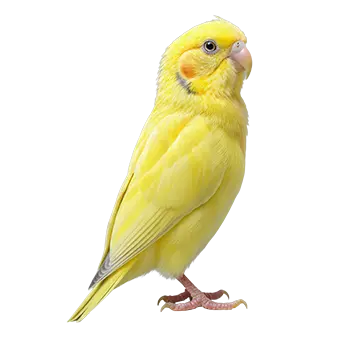

Yorkshire Canaries typically enter their senior years around the age of seven or eight, though individual variation is significant and some well-cared-for birds remain vigorous well beyond this point. Unlike mammals, birds do not show aging through graying hair or wrinkled skin, so the signs of advancing age in a Yorkshire Canary tend to be subtle behavioral and physical shifts that develop gradually rather than appearing suddenly. Recognizing these changes early allows keepers to adapt care strategies proactively rather than reactively.
One of the earliest and most noticeable signs of aging in a male Yorkshire Canary is a change in song output. The bird may sing less frequently, for shorter durations, or with diminished volume and complexity compared to its prime years. Some senior males continue to sing enthusiastically, but the voice may take on a thinner, less resonant quality. Hens, who are typically quieter throughout their lives, may become even less vocal and spend more time resting on the perch with feathers slightly fluffed.
Physical changes accompany the behavioral shifts. The annual molt may become prolonged, taking several additional weeks to complete, and the incoming feathers may not achieve the same tight, smooth quality they once did. Feather color can become slightly faded or uneven, and bare patches that resolve slowly or incompletely after the molt may appear. The bird's overall posture, which in a Yorkshire Canary should be tall and upright, may relax somewhat as muscle tone decreases. The bird may perch with a slightly hunched or less erect stance than it displayed in its prime.
Activity levels decline gradually in most senior canaries. The bird may fly less frequently and prefer to hop between perches rather than making sustained flights across the cage. It may spend longer periods sleeping during the day and retire to its sleeping perch earlier in the evening. Appetite may fluctuate, with the bird eating less on some days and more on others. Weight changes, either gradual loss from decreased intake and muscle wasting or gradual gain from reduced activity, should be monitored closely through regular weigh-ins.
It is important not to attribute every change in an older bird's behavior to aging without considering the possibility of underlying illness. Many of the signs associated with aging, including reduced activity, weight loss, diminished vocalization, and prolonged molts, can also indicate disease. A senior Yorkshire Canary that shows a sudden or pronounced change in any aspect of its behavior or condition deserves a prompt veterinary evaluation to distinguish normal aging from a treatable medical condition.