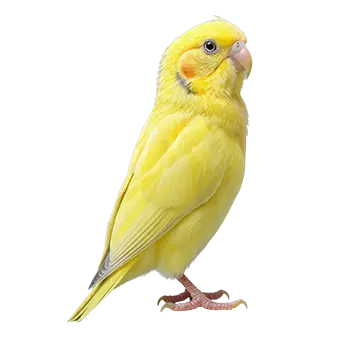

Yorkshire Canary Species Guide - Furry Critter Network

Yorkshire Canary

Quick Facts

🔬 Scientific Name
Serinus canaria domestica
📊 Care Level
Beginner
😊 Temperament
Calm, Dignified, Independent
📏 Adult Size
6.5-7+ inches
⏱️ Lifespan
10-15 years
🔊 Noise Level
Moderate
🗣️ Talking Ability
None - Singing
🍽️ Diet Type
Seed-based
🌍 Origin
Yorkshire, England
🏠 Min Cage Size
24x18x24 inches minimum
📐 Size
Small

Yorkshire Canary - Names & Recognition

The Yorkshire Canary derives its name from Yorkshire, the historic county in northern England where the breed was developed during the 19th century, representing one of England's most significant contributions to canary fancy. The breed is universally known as the Yorkshire Canary or simply Yorkshire among canary enthusiasts worldwide, with the name instantly evoking images of the breed's distinctive tall, upright posture and impressive size. The variety is also affectionately called the "Gentleman of the Fancy" or "Guardsman Canary," nicknames referencing the bird's dignified, military-bearing appearance reminiscent of a British guardsman standing at attention. These evocative names capture the essence of the breed's appeal and have been associated with Yorkshire Canaries since Victorian times.

Taxonomically, all domestic canaries including the Yorkshire variety belong to the species Serinus canaria domestica, representing domesticated descendants of the wild canary (Serinus canaria) native to the Macaronesian islands. The Yorkshire Canary is classified as a type canary, one of the three main canary groups bred specifically for physical characteristics and conformation rather than song quality (song canaries) or solid color (color canaries). Type canaries emphasize specific body shapes, sizes, postures, feather types, or other physical features. The Yorkshire's defining characteristics are its exceptional size (largest of all canary varieties), distinctive upright posture at approximately 45-degree angle, and impressive length from head to tail tip.

The Yorkshire Canary was developed in Yorkshire, England during the mid-to-late 1800s when Victorian-era British canary breeding reached its zenith. Yorkshire weavers, miners, and working-class bird fanciers bred canaries as leisure pursuits and sources of pride, with various districts competing to produce distinctive varieties. The Yorkshire variety emerged from selective breeding programs emphasizing length, upright posture, and overall elegant appearance, with breeders systematically selecting the tallest, most upright birds across multiple generations. The breed quickly gained recognition for its impressive appearance and became extremely popular throughout England and eventually worldwide.

Historical records indicate that by the 1870s-1880s, the Yorkshire Canary was well-established with recognized breed standards and active showing competitions. Victorian canary fancy saw tremendous enthusiasm for specialized breeds, with elaborate shows, competitive exhibitions, detailed breed standards, and considerable sums changing hands for champion birds. The Yorkshire became one of the most prestigious varieties, with show-quality birds commanding high prices. Breed standards emphasized specific measurements, posture angles, feather quality, and overall conformation, creating highly standardized birds evaluated by trained judges.

The original Yorkshire Canaries were even larger than modern examples, with historical accounts describing birds reaching 7.5 to 8 inches in length. However, these extremely large birds suffered health problems including difficulty breeding, poor hatching rates, and shortened lifespans. Breeders eventually moderated size somewhat, creating today's Yorkshires measuring 6.5 to 7+ inches - still the largest canary variety but with improved vitality and breeding success. This represents a case where breeders recognized limits of selective breeding and adjusted standards to prioritize bird welfare alongside appearance.

The Yorkshire Canary nearly disappeared during World War I and World War II when wartime disruptions, food shortages, and breeding restrictions devastated many specialized canary varieties. By the 1950s, true Yorkshire Canaries were extremely rare. Dedicated British breeders launched preservation efforts, using remaining stock plus careful outcrossing to related varieties to rebuild populations while maintaining essential Yorkshire characteristics. Today, while still relatively uncommon compared to popular varieties like Glosters or Border Canaries, the Yorkshire maintains stable breeding populations among serious canary fanciers and show exhibitors worldwide.

Within the breed, color varieties exist including clear yellow, buff yellow, variegated, cinnamon, white, and various other mutations. Color is not a primary breeding criterion as posture and conformation take precedence, allowing Yorkshires in all standard canary colors. Show standards focus almost entirely on size, posture, and conformation rather than color, though neat, clean coloration is appreciated.

In aviculture and among canary enthusiasts, Yorkshire Canaries occupy a special position as the premier "posture canary" and represent the pinnacle of type canary breeding for conformation. Show competitions include specific Yorkshire classes where birds are evaluated on size, posture angle, carriage, symmetry, and overall type according to detailed standards maintained by canary clubs. Championship Yorkshires from proven bloodlines command premium prices among serious breeders and exhibitors. However, pet-quality Yorkshires provide the same impressive appearance at more accessible prices, making the breed available to anyone seeking large, stately canaries without show ambitions.

Yorkshire Canary Physical Description

The Yorkshire Canary is a large, stately canary measuring approximately 6.5 to 7+ inches in length from head to the tip of the tail, making it the largest of all canary varieties by a significant margin. Some exceptional individuals may reach 7.5 inches. To appreciate this size difference, most other canary varieties measure 4.5 to 5.5 inches, making Yorkshires 1.5 to 2+ inches longer - a substantial difference that creates dramatically different visual impact. Adults typically weigh between 22 to 30 grams (approximately 0.8 to 1.1 ounces), considerably heavier than typical canaries weighing 15-22 grams. The body structure is long, lean, and elegant with smooth lines, creating impressions of refinement and distinction.

The defining and most distinctive feature is the characteristic upright posture that gives Yorkshire Canaries their unique appearance and earns them the "Gentleman of the Fancy" nickname. Show-quality Yorkshires stand at approximately 45-degree angle from vertical when properly positioned on a perch, creating an erect, military bearing reminiscent of a guardsman at attention. The head is held high with the neck extended, the back is straight rather than rounded, and the body forms a smooth, unbroken line from head through back to tail creating elegant silhouettes. The tail extends downward at the proper angle, contributing to the overall length and balance. This posture is partially instinctive in well-bred birds but is also influenced by training and conditioning for show birds.

The overall body proportions emphasize length and elegance over bulk. The body is relatively slender and streamlined rather than thick or heavy, creating impressions of height and refinement. The head is small and neat, proportionate to the long body, creating balanced appearances. The neck is relatively long and held erect, contributing to the upright bearing. The breast is full but not overly broad, carried high and forward. The back is long, straight, and level without humps, curves, or irregularities that would disrupt the smooth lines. The wings are long, held close to the body without crossing at the tips or drooping below the tail. The tail is long, narrow, and well-formed, carried in line with the body angle.

Feather quality in Yorkshire Canaries should be tight, smooth, and close-lying rather than loose or fluffy. The feathers create sleek, streamlined appearances that showcase the elegant body lines and posture. "Yellow" feathered birds (with narrow, harder feathers) display particularly tight, sleek plumage that emphasizes the refined appearance. "Buff" feathered birds (with wider, softer feathers) show softer, fuller plumage creating slightly different but still elegant appearances. Show standards typically favor tight-feathered birds displaying the clearest body lines.

The plumage coloration in Yorkshire Canaries is highly variable as color is not a primary breeding criterion. Yorkshires occur in virtually all canary color mutations including clear yellow (uniform bright yellow), buff yellow (softer yellow), variegated (patches of yellow and darker colors), cinnamon (warm brown tones), white, green, and numerous other mutations. Clear yellows are common and popular, though all colors are acceptable in breed standards. The emphasis remains on conformation, size, and posture rather than color, allowing breeders to focus on the characteristics that truly define the variety.

Sexual dimorphism is minimal to absent regarding plumage and physical appearance. Males and females display similar size, posture, and coloration, making visual sexing impossible or unreliable. The only reliable sex determination involves observing singing behavior (males sing extensively while females produce only soft chirps) or surgical/DNA sexing. This lack of visual differences is typical of canaries.

The beak is relatively large, stout, conical, and typically horn-colored or flesh-colored, proportionate to the bird's substantial size. The beak should be well-formed, properly aligned, and free from deformities. The eyes are dark brown to black, relatively large, round, and bright, giving alert, intelligent expressions. The legs and feet are long, sturdy, flesh-colored to pinkish, and well-formed, capable of supporting the larger body weight and maintaining proper posture. The legs appear proportionately longer than in smaller canary varieties.

Juvenile Yorkshire Canaries resemble adult birds in basic structure though with less developed posture and somewhat duller coloration. Young birds undergo their first molt around 6-8 weeks of age, developing full adult plumage by 3-4 months. The characteristic upright posture develops gradually, with young birds initially displaying less extreme angles that improve with maturity and training. Young males begin singing attempts around 3-4 months but don't develop full adult song until 6-12 months.

Show preparation and conditioning for exhibition birds involves training birds to display proper posture on command. Experienced exhibitors work with their birds extensively, positioning them properly, encouraging correct stance, and conditioning them to maintain show position when judges evaluate them. This training is unnecessary for pet birds but represents important aspects of competitive Yorkshire breeding.

The overall impression created by Yorkshire Canaries combines impressive size with elegant, refined bearing that creates striking visual impact. These are genuinely majestic small birds whose stature and presence far exceed expectations based on their actual dimensions. Well-maintained show-quality Yorkshires standing at proper angles on perches create unforgettable impressions of dignity and beauty that fully justify the "Gentleman of the Fancy" designation.

Affection Level
Yorkshire Canaries are not particularly affectionate toward humans and do not seek physical contact. However, they show awareness of their owners and may sing in response to human presence, displaying more interest in people than typical finches. They appreciate human company from a distance but remain dignified, independent birds that don't require constant attention or cuddling.
Sociability
Moderately social with flexible needs typical of canaries. Yorkshire males thrive when housed singly where they display better posture and develop superior song without competition. They can be kept in pairs or groups with adequate space, though males may fight. Unlike highly gregarious finches, they don't suffer from solitary housing and many prefer individual cages where they showcase their elegant conformation.
Vocalization
Males are enthusiastic singers producing pleasant, melodious songs that can be quite loud and sustained, particularly during breeding season and morning hours. Despite being bred for appearance rather than song, Yorkshire males retain excellent singing abilities. Their larger size often produces deeper, more resonant tones than smaller varieties. Females are much quieter, producing only soft chirps.
Intelligence
Yorkshire Canaries possess moderate intelligence typical of canaries, learning to recognize owners, anticipate feeding schedules, and respond to environmental cues. They demonstrate greater awareness and responsiveness to humans than small finches, learning routines and showing individual personalities. Their size and presence create impression of dignity and bearing rather than flightiness.
Exercise Needs
Moderately active birds requiring adequate space for their larger size. While less hyperactive than small finches, Yorkshires benefit from spacious cages allowing movement, short flights, and proper posture display. They spend time hopping between perches, flying short distances when space allows, and maintaining their characteristic upright stance. Their size necessitates more space than smaller varieties.
Maintenance Level
Low to moderate maintenance requirements making them suitable for beginners despite their show-quality appearance. Yorkshire Canaries are hardy, forgiving birds requiring daily food and water changes, regular cage cleaning, and basic care. Their larger size means more droppings and greater food consumption but no special grooming. Their resilience makes them excellent choices for novice keepers seeking impressive birds.
Trainability
Limited trainability compared to parrots but more receptive than typical finches. Yorkshire Canaries can become accustomed to routines, learn to accept treats through cage bars, and may become quite tame with patient work. Show birds are conditioned to display proper posture on command. However, they are not candidates for extensive trick training or handling like parrots.
Independence
Highly independent birds that do not require constant attention or interaction. Yorkshire males particularly thrive in solitary housing where they display superior posture and sing freely without competition. They entertain themselves through singing, preening, and maintaining their dignified bearing without needing human or avian companionship constantly, making them perfect for people with busy schedules or who prefer low-maintenance pets.

Natural Habitat & Range

Like all domestic canary varieties, the Yorkshire Canary has no natural habitat as it is entirely a product of human selective breeding conducted in Yorkshire, England during the 19th century. The breed represents one of the great achievements of Victorian-era British canary breeding when elaborate fancy varieties were developed through systematic selection and competitive exhibition.

Domestic canaries, including the Yorkshire variety, descend from the wild canary (Serinus canaria), a small finch species endemic to the Macaronesian islands including the Canary Islands, the Azores, and Madeira off the northwestern coast of Africa. These islands provided the original wild canaries from which all domestic varieties ultimately derive through centuries of selective breeding following the birds' discovery and exportation to Europe beginning in the 15th century.

The Yorkshire Canary specifically was developed in Yorkshire, the historic county in northern England, during the mid-to-late 1800s. Yorkshire was an industrial region during Victorian times, home to textile mills, coal mines, and other industries employing working-class populations. Canary keeping and breeding became extremely popular leisure pursuits among Yorkshire working men, particularly weavers and miners, who kept birds in their homes and competed to produce superior examples in various categories. The social clubs, public houses, and working men's associations of Yorkshire provided venues for showing birds and competing for prizes and recognition.

The development of the Yorkshire variety involved selecting the largest, most upright birds from mixed canary populations and systematically breeding them together while selecting offspring that best exemplified the desired characteristics of extreme length, upright posture, and elegant appearance. This selective breeding continued across multiple generations spanning decades, gradually fixing the distinctive Yorkshire type. The process required dedication, careful record-keeping, and willingness to cull birds not meeting standards - practices facilitated by the competitive framework and social structures of Yorkshire canary fancy.

By the 1870s-1880s, the Yorkshire Canary was well-established as a distinct, recognizable variety with organized breeding clubs, standardized judging criteria, and regular competitive exhibitions. Victorian canary shows became elaborate affairs with substantial prize money, detailed classifications for different varieties and color divisions, trained judges evaluating birds against written standards, and considerable social prestige attached to winning. The Yorkshire became one of the most prestigious and expensive varieties, with champion birds commanding prices equivalent to months of working-class wages.

Historical Yorkshire Canaries were even more extreme than modern examples, with accounts describing birds reaching 7.5 to 8 inches with correspondingly exaggerated upright postures. However, these extremely modified birds suffered significant health problems. Breeding success declined, with poor fertility, low hatching rates, high chick mortality, and shortened adult lifespans becoming common. Breeders eventually recognized that excessive size compromised bird welfare and breeding viability, leading to gradual moderation of standards to create more moderate (though still impressive) birds with better health and reproduction. This represents an important lesson in selective breeding where extreme characteristics eventually compromise fitness, requiring balance between exhibition qualities and basic biological functionality.

The Yorkshire Canary suffered severe population declines during World War I and particularly World War II when wartime conditions including food rationing, coal shortages, air raids, and general disruption made maintaining specialized breeds extremely difficult. Many breeders abandoned their aviaries, birds died from starvation or cold, and breeding programs collapsed. By the 1950s, true Yorkshire Canaries were extremely rare with perhaps only a handful of breeding pairs remaining in Britain. Dedicated enthusiasts launched preservation efforts, carefully breeding remaining stock while occasionally outcrossing to related varieties to introduce genetic diversity without losing essential Yorkshire characteristics. These efforts gradually rebuilt populations, though the breed remains relatively uncommon compared to more popular varieties.

Geographically, Yorkshire Canaries remain most popular in Britain where the variety originated and maintains strongest cultural connections. However, international populations exist in many countries including the United States, continental Europe, Australia, and elsewhere where serious canary fanciers maintain breeding programs and participate in show competitions. The breed never achieved the widespread popularity of smaller, easier-to-breed varieties but maintains devoted followings among connoisseurs appreciating its unique characteristics.

Conservation status is not applicable to domestic Yorkshire Canaries as they are entirely captive-bred populations. However, the breed's relatively small breeding population compared to common varieties means continued breeder dedication is important for long-term preservation. Canary clubs and societies play crucial roles in maintaining breed standards, organizing shows, and facilitating breeder communication ensuring the variety's continuation.

Temperament

The Yorkshire Canary possesses a calm, dignified, and independent temperament befitting its "Gentleman of the Fancy" designation. While sharing fundamental canary characteristics with other varieties, Yorkshires display particular bearing and presence that seems to reflect their impressive size and elegant appearance, creating birds that are both majestic and personable.

The temperament of Yorkshire Canaries fundamentally resembles other canary varieties, as personality is largely determined by species rather than variety-specific breeding. However, their larger size, distinctive posture, and refined breeding seem to contribute to slightly different behavioral presentations. Yorkshire owners frequently describe their birds as particularly calm, dignified, and less flighty than smaller varieties, though this may reflect the birds' impressive presence as much as actual temperament differences.

Male Yorkshire Canaries are enthusiastic singers producing pleasant, melodious songs typical of canaries. Despite being bred primarily for physical appearance rather than song quality, Yorkshires retain the natural singing abilities characteristic of all canaries, and many males develop quite nice songs. Some enthusiasts report that the larger body size produces deeper, more resonant tones compared to smaller varieties, creating particularly pleasing vocal qualities. Males typically sing most intensely during breeding season (spring) but may sing year-round, particularly in the morning and when feeling content. The singing represents instinctive courtship and territorial behavior persisting even in solitary captivity.

Females are much quieter, producing only soft chirps and brief, very quiet songs, never developing the sustained singing characteristic of males. This profound difference represents the primary reliable method for sex determination.

With humans, Yorkshire Canaries display typical canary awareness and responsiveness. They learn to recognize primary caretakers, often responding to familiar voices and presence. Many individuals become quite comfortable with people, accepting treats through cage bars, feeding calmly while owners work nearby, and displaying confident, relaxed behavior around familiar caretakers. Some Yorkshires become sufficiently tame to perch on offered fingers, though this varies tremendously by individual and training efforts. Their larger size and calmer demeanor may make them seem more approachable than smaller, more nervous varieties.

Yorkshire Canaries are not affectionate in the cuddly sense and do not seek physical contact. They remain independent birds appreciated for their beauty, impressive presence, and singing (males) rather than tactile interaction. Their appeal lies in observing their dignified bearing and enjoying their songs from a respectful distance.

Social needs in Yorkshire Canaries are flexible like all canaries. Males thrive when housed singly, particularly show birds where solitary housing allows optimal posture display without competition or distraction from other birds. Male canaries housed together frequently fight, making same-sex housing problematic. Pairs can work for breeding purposes if adequate space is provided, though males may show aggression during breeding season. Females tolerate each other better and can be housed in small groups successfully.

This flexibility makes Yorkshires suitable as single birds for people wanting one impressive pet without guilt about depriving it of companionship. A single male Yorkshire in appropriate housing with owner interaction (even at a distance) lives contentedly and provides both visual splendor and vocal entertainment.

Territoriality in male Yorkshires is moderate to strong during breeding season when males sing to establish territories and may become aggressive toward other canaries. Outside breeding season, territoriality diminishes but may never completely disappear. Their larger size gives them advantage in any conflicts, making careful housing decisions important.

Activity levels in Yorkshire Canaries are moderate and typical of canaries. They spend time perched (often displaying their characteristic upright posture), singing (males), preening, eating, bathing, and engaging in brief flights and hopping between perches when space allows. They are less hyperactive than small finches while remaining alert and engaged with their environments. Their movements seem more deliberate and dignified than smaller, more frenetic species.

Posture display in Yorkshire Canaries represents an interesting behavioral aspect. Well-bred birds naturally assume the characteristic upright stance, particularly when alert or interested in something. Show birds are trained to maintain this posture on command through consistent handling and positioning during training sessions. Pet birds may display variable posture depending on activity, relaxing into more horizontal positions when comfortable but assuming the upright bearing when alert.

Personality variation exists among individual Yorkshires as with all canaries. Some are bold, curious, and interactive while others are shy and retiring. Some males are prolific singers while others sing less frequently. These individual differences make each bird unique.

Hardiness and adaptability are strengths in Yorkshire Canaries despite their refined appearance. These robust birds descended from working-class breeding programs emphasizing vigor and survival alongside beauty tolerate wide temperature ranges, adapt to various housing situations, and forgive minor husbandry mistakes. They are considerably hardier than their elegant appearance suggests and suitable for beginners seeking impressive birds without extreme fragility.

Prospective owners seeking large, impressive birds with dignified bearing and pleasant songs (if male) will find Yorkshire Canaries excellent choices. Their combination of majestic appearance and hardy constitution makes them outstanding pets for those appreciating refined beauty without requiring elaborate maintenance or constant interaction.

Care Requirements

Providing appropriate housing and care for Yorkshire Canaries follows standard canary protocols with important modifications accommodating their substantially larger size. Their impressive dimensions require more spacious housing than smaller varieties, though care requirements remain straightforward and suitable for beginners.

The minimum cage size for a single Yorkshire Canary should measure at least 24 inches wide by 18 inches deep by 24 inches tall, notably larger than standard canary cages due to the bird's 6.5-7+ inch length. Larger dimensions of 30-36 inches long by 20 inches deep by 24-30 inches tall are strongly preferred and provide significantly better quality of life, allowing proper flight and movement without tail or wing damage. Yorkshire Canaries require substantially more space than smaller varieties - cages suitable for Glosters or Border Canaries are inadequate for Yorkshires. Single male Yorkshires thrive in appropriately sized individual cages where they display optimal posture without competition. For pairs (if breeding) or multiple birds, provide even larger housing (minimum 36-48 inches long) with adequate space. The height should allow birds to assume their characteristic upright posture without head contact with cage tops.

Bar spacing should be 1/2 inch maximum to prevent escapes while accommodating the larger beak size. Horizontal bars on at least two sides facilitate climbing if desired.

Cage construction should be sturdy wire with powder-coated or stainless steel being ideal materials capable of supporting the larger bird's weight and activity. Avoid galvanized wire causing zinc toxicity. Removable floor trays facilitate daily cleaning, which is particularly important as larger birds produce more droppings. Choose well-constructed cages designed for larger canaries or small parrots rather than standard small bird cages.

Temperature requirements are forgiving and typical of hardy canaries. Yorkshire Canaries tolerate wide temperature ranges from approximately 60-80°F comfortably, making them suitable for typical indoor environments without supplemental heating. They handle moderate temperature variations well, though extreme fluctuations should be avoided. Protect from drafts, direct cold air, and freezing temperatures. Their size and vigor provide excellent cold tolerance.

Cage placement should avoid areas with direct drafts, prolonged direct sunlight, kitchens with cooking fumes (particularly deadly Teflon/non-stick cookware fumes), and locations with extreme temperature changes. Yorkshire Canaries adapt well to various placements. Consider that males sing, making bedroom placement potentially problematic. Their impressive size and dignified bearing make them excellent display birds for prominent locations where visitors can appreciate them.

Perches should vary in diameter from 1/2 to 5/8 inch, slightly thicker than for smaller canaries to accommodate their larger feet and body weight. Use natural branches from bird-safe trees including manzanita, java wood, willow, and apple providing excellent grip and foot exercise. Natural branches with irregular shapes and varying diameters provide optimal foot health. Provide perches at different heights allowing the bird to assume its characteristic upright posture when perched at the highest level. Include at least one cement or rough-textured perch for natural nail maintenance. Avoid overcrowding cages with excessive perches given the bird's size. Position perches allowing adequate space for the long tail without dragging or damage.

Swings sized appropriately for larger canaries or small parrots work well if the bird enjoys them, though not all Yorkshires use swings given their size and dignified nature.

Bathing opportunities are essential as Yorkshire Canaries enjoy bathing for feather maintenance. Provide appropriately sized shallow dishes or bird baths (2-3 inches deep) several times weekly or daily. Their larger size means more vigorous bathing creating more mess - external bath attachments work well. Some prefer gentle misting. Remove bath water after several hours.

For show birds, special conditioning and training are involved. Exhibition Yorkshires are trained to display proper upright posture on show cages, requiring regular handling and positioning practice. Show cages are specially designed to encourage proper stance. These practices are unnecessary for pet birds but important for competitive breeding.

Environmental enrichment includes varied natural perches, foraging opportunities, occasional cage rearrangement, and fresh branches with leaves. Their continuous singing (males) provides self-entertainment.

Aviaries and flight cages provide excellent housing for Yorkshire Canaries, allowing maximum space for their impressive size. Indoor or outdoor flights should be minimum 6-8 feet long for single birds or pairs. Outdoor aviaries work well with appropriate weather protection and predator security. Their hardiness makes them suitable for outdoor housing in many climates with proper shelter.

Safety considerations include protecting birds from household hazards including non-stick cookware fumes (absolutely deadly), aerosol sprays, scented products, and pesticides. Ensure cages are secure from predatory pets. Their larger size provides some advantages regarding small household hazards but they remain vulnerable to major threats.

Feeding & Nutrition

Proper nutrition for Yorkshire Canaries follows standard canary dietary requirements with consideration for their larger size creating slightly elevated nutritional needs compared to smaller varieties. Optimal feeding supports their impressive size, maintains proper body weight and condition, supports good feather quality and singing (in males), and promotes overall health and longevity.

The foundation of a captive Yorkshire Canary diet should consist of high-quality canary seed mix formulated specifically for canaries, comprising approximately 60-70% of daily intake. Premium canary seed mixes contain appropriate variety including canary seed (the primary component), rape seed, niger seed, hemp seed (in small amounts), and flax seed. Given their larger size, Yorkshire Canaries consume more seed than smaller varieties - expect daily consumption of approximately 1-1.5 teaspoons of seed compared to 0.5-1 teaspoon for smaller canaries. Offer seeds in appropriately sized feeders changed daily to ensure freshness and allow consumption monitoring. Remember that canaries hull seeds while eating, leaving empty hulls that may make dishes appear full when they contain no actual seed - blow away hulls daily and refill as needed.

Fresh vegetables should be offered daily and comprise approximately 15-20% of diet, providing essential vitamins, minerals, and dietary variety. Appropriate vegetables include dark leafy greens (kale, collard greens, mustard greens, dandelion greens, Swiss chard, spinach in moderation), grated or finely chopped carrots, broccoli florets, sweet potato, bell peppers in all colors, and other safe vegetables. Given their larger size, Yorkshire Canaries consume more vegetables than smaller varieties - offer larger portions. Fresh greens provide vitamin A critical for immune function, respiratory health, and feather quality maintaining the glossy plumage that showcases their elegant conformation.

Fresh fruits can be offered several times weekly in small amounts as nutritious treats. Appropriate fruits include apples (remove seeds), berries, melon, grapes (halved), and other safe fruits. Limit quantities to avoid excessive sugar consumption leading to obesity.

Egg food provides essential protein and should be offered 2-3 times weekly to non-breeding birds and daily during breeding season and molting periods when protein requirements increase substantially. Commercial egg food formulated for canaries works well, or keepers can prepare homemade versions using hard-boiled eggs crumbled and mixed with breadcrumbs or ground seeds. Given their larger size, Yorkshire Canaries consume more egg food than smaller varieties - offer larger portions (1-2 tablespoons). Egg food should be removed after 2-3 hours to prevent spoilage and bacterial growth.

Canary pellets formulated specifically for canaries are available and can partially or completely replace seed-based diets. Some keepers successfully maintain Yorkshire Canaries on pellet-based diets supplemented with fresh foods. If using pellets, introduce gradually over several weeks and monitor acceptance and body condition carefully.

Mineral supplementation is critical for all canaries, particularly larger varieties and breeding females. Provide cuttlebone continuously hung in the cage for free-choice calcium consumption. Given their size, Yorkshires may consume cuttlebone more rapidly than smaller varieties - monitor and replace as needed. Offer grit (fine granite grit or crushed oyster shell) in a separate small dish for digestion. Some formulated grit products include added minerals and vitamins.

Vitamin supplementation through powdered vitamins sprinkled on moist foods helps prevent deficiencies common in seed-based diets. Some keepers add liquid vitamins to drinking water 2-3 times weekly, though this practice is debated. Follow product directions carefully to avoid harmful over-supplementation.

Weight management is particularly important for Yorkshire Canaries to maintain their elegant lines and proper health. Monitor body condition regularly, ensuring birds maintain proper weight without becoming obese or thin. Obesity compromises the streamlined appearance that defines the breed while also affecting health. If obesity develops, increase vegetables while reducing high-fat seeds and ensuring adequate exercise opportunities.

Treats include millet sprays (which larger canaries enjoy), spray millet, and small amounts of other seeds like sunflower chips in strict moderation. Treats should comprise no more than 5-10% of total diet.

Foods to avoid include avocado (highly toxic), chocolate, caffeine, alcohol, salt, onions, garlic, and processed human foods. Avoid moldy or spoiled foods which can cause fatal illnesses.

Fresh, clean water must be available at all times in clean dishes or bottles changed at least daily. Given their larger size and higher metabolic needs, Yorkshire Canaries may drink more than smaller varieties. Use appropriately sized water dishes or bottles that can be easily cleaned and thoroughly sanitized daily to prevent bacterial growth.

Yorkshire Canary Health & Lifespan

Yorkshire Canaries are generally hardy, robust birds with strong constitutions that belie their refined, elegant appearance. Despite being selectively bred for extreme physical characteristics, modern Yorkshires maintain good health and vitality when provided proper care, though their larger size creates some unique considerations compared to smaller canary varieties. Air sac mites, microscopic parasites infesting the respiratory system, can affect all canaries including Yorkshires, causing difficulty breathing, tail bobbing, clicking or wheezing sounds, voice changes or loss of song in males, lethargy, and potentially death if severe and untreated, requiring treatment with appropriate acaricides or medications prescribed by avian veterinarians. Scaly face mites, caused by Knemidokoptes parasites, may occur causing crusty growths on the beak, cere, facial areas, legs, and feet requiring treatment. Respiratory infections from bacteria, viruses, or fungi can affect canaries particularly when exposed to drafts, temperature extremes, or poor air quality, causing labored breathing, nasal discharge, wheezing, and decreased singing, requiring prompt veterinary care. Egg binding affects breeding females unable to expel eggs due to calcium deficiency, obesity, first-time breeding, or stress, requiring immediate veterinary intervention. Overgrown beaks and nails develop in some birds without adequate opportunities for natural wear through proper perches and cuttlebone, requiring periodic trimming. Fatty liver disease can develop in birds fed high-fat seed-only diets with inadequate exercise, leading to obesity and liver dysfunction, though this is less common in active birds with proper diets. Feather cysts may occur where feathers fail to emerge properly and become impacted under skin, requiring veterinary attention. Nutritional deficiencies particularly of vitamin A, calcium, and B vitamins can occur in birds fed seed-only diets without supplementation.

Preventive care for Yorkshire Canaries follows standard canary protocols. Regular veterinary checkups with experienced avian veterinarians should ideally occur annually. Proper diet and nutrition including high-quality canary seed mix, daily fresh vegetables, egg food during breeding and molting, and mineral supplementation prevents nutritional deficiencies. Environmental management through adequate cage size accommodating their larger dimensions, appropriate temperature range (60-80°F), protection from drafts, appropriate humidity, and stress minimization maintains health. Cage cleanliness with daily maintenance reduces disease transmission. Monitoring for signs of illness including changes in droppings, decreased activity or singing, fluffed feathers, labored breathing, or behavioral changes allows early intervention. With good care including optimal nutrition, proper housing, appropriate environmental conditions, and preventive health measures, Yorkshire Canaries typically live 10 to 15 years in captivity, with some individuals potentially reaching 20 years with excellent care. This lifespan is typical of canaries and represents moderate commitment periods. The combination of hardy constitution, straightforward care requirements, impressive appearance, and reasonable lifespan makes Yorkshire Canaries excellent choices for those seeking majestic birds without extreme fragility or decades-long commitments. Their resilience means they thrive in novice hands, making them suitable first birds for those learning avian husbandry.

Common Health Issues

  • Despite being selectively bred for extreme physical characteristics - Modern Yorkshires maintain good health and vitality when provided proper care, though their larger size creates some unique considerations compared to smaller canary varieties.\n\nAir sac mites, microscopic parasites infesting the respiratory system, can affect all canaries including Yorkshires, causing difficulty breathing, tail bobbing, clicking or wheezing sounds, voice changes or loss of song in males, lethargy, and potentially death if severe and untreated, requiring treatment with appropriate acaricides or medications prescribed by avian veterinarians.
  • Scaly face mites - Caused by Knemidokoptes parasites, may occur causing crusty growths on the beak, cere, facial areas, legs, and feet requiring treatment.
  • Respiratory infections from bacteria - Viruses, or fungi can affect canaries particularly when exposed to drafts, temperature extremes, or poor air quality, causing labored breathing, nasal discharge, wheezing, and decreased singing, requiring prompt veterinary care.
  • Egg binding affects breeding females unable to expel eggs due to calcium deficiency - Obesity, first-time breeding, or stress, requiring immediate veterinary intervention.
  • Breeding females may experience slightly higher rates of egg binding compared to smaller varieties due to body structure - Making excellent calcium supplementation particularly important for breeding stock.

Preventive Care & Health Monitoring

  • Egg binding affects breeding females unable to expel eggs due to calcium deficiency - Obesity, first-time breeding, or stress, requiring immediate veterinary intervention.
  • Fatty liver disease can develop in birds fed high-fat seed-only diets with inadequate exercise - Leading to obesity and liver dysfunction, though this is less common in active birds with proper diets.
  • Nutritional deficiencies particularly of vitamin A - Calcium, and B vitamins can occur in birds fed seed-only diets without supplementation.\n\nOne consideration specific to Yorkshire Canaries involves their larger size and specific body conformation.
  • Breeding females may experience slightly higher rates of egg binding compared to smaller varieties due to body structure - Making excellent calcium supplementation particularly important for breeding stock.
  • Regular veterinary checkups with experienced avian veterinarians should ideally occur annually. - Regular veterinary checkups with experienced avian veterinarians should ideally occur annually.
  • Proper diet and nutrition including high-quality canary seed mix - Daily fresh vegetables, egg food during breeding and molting, and mineral supplementation prevents nutritional deficiencies.

Training & Vocalization

Training Yorkshire Canaries involves both basic habituation and taming common to all canaries plus specialized show conditioning unique to exhibition birds bred for specific posture and conformation. Understanding appropriate training goals helps owners maximize positive relationships while preparing show birds for competition if desired.

Basic habituation and taming are achievable with Yorkshire Canaries through patient, consistent work. Captive-bred birds raised with gentle human interaction can become quite comfortable with people, accepting treats through cage bars, feeding calmly while owners work nearby, and displaying confident, relaxed behavior around familiar caretakers. Their larger size and calmer demeanor compared to smaller, more nervous varieties may facilitate taming efforts. Some individuals become sufficiently tame to perch on offered fingers voluntarily, though this varies tremendously by individual and should never be forced. The goal is creating trust and comfort rather than extensive handling, as canaries are not hands-on pets.

Habituation techniques include spending quiet time near cages daily, speaking softly and consistently, offering favorite treats through cage bars to create positive associations, moving slowly and deliberately during cage maintenance, establishing completely consistent daily routines, and never forcing interaction or attempting to grab birds. These techniques gradually build trust over weeks and months without overwhelming birds.

Finger training can be attempted with receptive individuals by offering a finger as a perch while the bird is on a cage perch, using gentle pressure against the lower chest while calmly saying "step up," and immediately rewarding compliance with favorite treats and verbal praise. Their larger size makes finger perching somewhat easier than with tiny finches. Success varies tremendously among individuals.

Show conditioning and training represent specialized aspects of Yorkshire Canary husbandry unique to exhibition birds. Competition Yorkshires must display proper upright posture at approximately 45-degree angle when judges evaluate them in show cages. Training involves regularly handling birds, positioning them properly on show cage perches, encouraging and rewarding correct stance, conditioning them to maintain show position for extended periods, and gradually reducing nervousness about unfamiliar environments and judges approaching closely. Experienced exhibitors work extensively with their show birds, conditioning them through repeated practice sessions over weeks and months before competitions.

Show cages are specially designed with specific perch placements and dimensions encouraging proper posture display. Birds learn to assume the characteristic upright stance when placed in show cages through conditioning and positive reinforcement. This training requires patience, consistency, and understanding of bird behavior. Show training is completely unnecessary for pet birds but represents important aspects of competitive Yorkshire breeding and exhibition.

Vocalizations in Yorkshire Canaries follow typical canary patterns with males being enthusiastic singers. Despite being bred primarily for physical appearance rather than song quality, Yorkshire males retain the natural singing abilities characteristic of all canaries, and many develop quite pleasant songs. Some enthusiasts report that the larger body size and respiratory capacity create deeper, more resonant tones compared to smaller varieties, producing particularly pleasing vocal qualities. Males produce melodious songs consisting of trills, warbles, whistles, and various other notes arranged in species-typical patterns. The songs are complex, sustained, and moderately loud, filling rooms with pleasant music.

Males typically sing most intensely during breeding season (spring and early summer) but may sing year-round, particularly in the morning hours and when feeling content and secure. The singing represents instinctive courtship and territorial behavior persisting even in solitary captivity. While Yorkshire Canaries are not song canaries bred specifically for vocal performance, their natural songs provide excellent entertainment value.

Song quality varies among individual males. Some develop extensive repertoires with complex, beautiful songs while others produce simpler songs with less variation. Young males begin singing attempts around 3-4 months of age, producing quiet subsong as they practice. Full adult song typically develops by 6-12 months of age.

Female Yorkshire Canaries are dramatically different in vocalization, producing only soft chirps, contact calls, and brief, very quiet songs barely audible even in silent rooms. The profound difference represents the primary reliable method for sex determination in canaries.

Noise management is generally unnecessary as canary songs are pleasant and desired by most owners. However, males housed in bedrooms will wake household members with morning singing, making bedroom placement problematic. If singing becomes problematic at certain times, covering the cage to simulate night encourages quieting, though this should not be used routinely.

Talking ability is completely absent in Yorkshire Canaries and all canaries. These birds lack the anatomical structures and cognitive abilities required for mimicking human speech. Anyone expecting canaries to talk has fundamentally misunderstood the species. The value of Yorkshire Canaries lies in their spectacular appearance, impressive size and bearing, pleasant songs (males), and hardy, personable nature, not vocal mimicry.

Prospective owners seeking large, impressive birds with dignified bearing and pleasant songs should acquire male Yorkshire Canaries. Those wanting quiet birds should select females. People seeking highly interactive, trainable birds capable of extensive tricks or handling should consider psittacines, though Yorkshire Canaries offer more interaction potential than typical finches while maintaining independent canary nature.

Children & Other Pets

Yorkshire Canaries present reasonable compatibility with households containing children and other pets, as their larger size makes them somewhat less fragile than tiny finches while their hardy constitution and relatively calm temperament create suitable family birds when proper guidelines and supervision are established.

Regarding children, Yorkshire Canaries can coexist successfully in households with children when proper education, guidelines, and supervision are provided. These hardy birds tolerate reasonable household activity and moderate noise levels better than extremely delicate species. Their larger size (6.5-7+ inches) makes them more visually impressive and somewhat less fragile than tiny 4-inch finches, potentially making them more suitable for family environments where accidental harm is a concern. However, they remain relatively delicate birds that require respectful handling, and children must understand that canaries are primarily observational pets that should not be handled excessively or roughly.

For families with older children and teenagers who can understand and follow guidelines, Yorkshire Canaries provide excellent educational opportunities including learning about selective breeding for specific physical traits, understanding show bird training and conditioning, observing proper bird husbandry for larger species, appreciating historical British breeding traditions, and developing responsibility through proper pet care. Their impressive size and elegant bearing often captivate children's interest more than smaller birds, creating memorable positive experiences with aviculture. The dignified "Gentleman of the Fancy" appearance creates special appeal for children interested in animals with distinctive characteristics.

The primary benefits for families include hardy constitution (very forgiving of reasonable household activity), impressive size and appearance capturing children's interest, relatively calm temperament reducing panic behaviors, larger size making them somewhat less fragile than tiny finches, potential for tameness allowing closer observation without handling, and male singing providing entertainment and education. Their stately presence makes them conversation pieces that children often enjoy showing to friends and visitors.

The primary risks include accidental cage openings leading to escapes (though their larger size and calmer nature may facilitate recapture compared to tiny, panicked finches), children attempting excessive handling despite guidelines, exposure to temperature extremes from children opening windows or adjusting climate controls, and potential exposure to household hazards if children bring prohibited items near cages. Strict household rules about cage security, gentle behavior near birds, and appropriate interaction boundaries are essential.

Safety education should emphasize that while larger and hardier than tiny finches, Yorkshire Canaries still require respectful care, minimal handling (even if somewhat tame), protection from hazards, and appropriate environments. Children must understand their actions directly affect bird health and wellbeing, encouraging development of empathy, responsibility, and self-control. However, parents must remain primarily responsible for daily care and supervision.

Concerning other pets, Yorkshire Canaries are vulnerable to predation from cats, dogs, ferrets, and other predatory animals. Cats represent the greatest threat, as hunting instincts strongly trigger even in friendly house cats. Cat saliva contains deadly Pasteurella bacteria making any contact potentially fatal. Never allow cats in rooms with Yorkshire cages, and ensure cages are completely secure from reaching paws. Their larger size provides no meaningful protection against cats.

Dogs also pose significant risks, particularly breeds with prey drive. Even friendly, well-trained dogs may injure these birds through sudden movements or predatory responses. The stress of seeing predatory animals affects wellbeing and may reduce singing. Complete separation is essential for bird safety.

Other pet birds may or may not be compatible with Yorkshire Canaries. Male Yorkshires often fight with other male canaries, particularly during breeding season, making same-sex housing problematic. Their larger size gives them advantages in any conflicts. Female Yorkshires tolerate each other better and can be housed in small groups with adequate space. Yorkshire Canaries can sometimes coexist with other finch species in very large aviaries (minimum 8 feet long) with careful monitoring, though their size difference creates potential issues. Never house with larger, aggressive species or parrots that could injure them.

Ultimately, Yorkshire Canaries are reasonably suitable for family households with school-aged or older children who appreciate their impressive appearance and songs, provided families protect birds from predatory pets, maintain appropriate environments, and commit to respectful, hands-off appreciation of their beauty and dignified bearing. Their relative hardiness, impressive size, and stately presence make them memorable family birds that create positive experiences with aviculture for children who learn to appreciate animals that don't require constant handling.