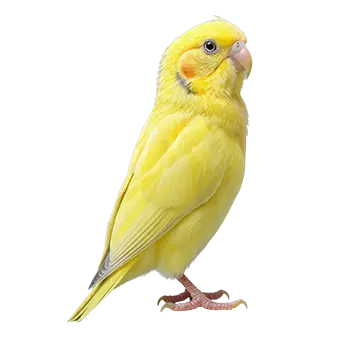

Daily Diet & Nutrition

An adult Yorkshire Canary in its prime years requires a well-balanced, consistent diet that supports feather maintenance, immune function, reproductive readiness, and the sustained physical condition expected of a type breed. Unlike the elevated protein and fat demands of the juvenile growth period, adult nutritional management focuses on maintaining optimal body weight and feather quality without allowing excess that leads to obesity or nutritional imbalance.

The foundation of the adult diet is a high-quality canary seed mix. For Yorkshire Canaries, the mix should be composed primarily of canary grass seed, which provides a moderate energy level without excessive fat. Rape seed, niger seed, and small quantities of linseed and hemp round out the mix, contributing essential fatty acids that support skin health and feather luster. The ratio of these components matters. A general guideline for adult maintenance is approximately sixty to seventy percent canary grass seed, with the remaining thirty to forty percent divided among the oilier seeds. During the annual molt, the proportion of rape and niger seed can be increased temporarily to support feather regeneration.

Fresh foods should be offered daily to provide vitamins, minerals, and dietary variety that dry seed alone cannot supply. Leafy greens such as dandelion, chickweed, romaine lettuce, and watercress are staples that most Yorkshire Canaries accept readily. Broccoli florets, grated carrot, and small pieces of apple or pear add diversity. Introduce new items gradually and remove uneaten fresh food within a few hours to prevent spoilage. Sprouted seed, prepared by soaking a tablespoon of seed mix for twenty-four hours, rinsing thoroughly, and allowing it to germinate for an additional day, offers a concentrated source of living enzymes and elevated protein without the risk of bacterial contamination that comes with improperly handled soft foods.

Egg food should be provided two to three times per week during the maintenance period and daily during the molt or when breeding condition is desired. Mineral supplementation in the form of a cuttlebone, mineral block, and fine-grade mineralized grit should be available at all times. Clean, fresh water is essential and should be changed daily, with water vessels disinfected regularly to prevent algae and bacterial buildup. Some keepers add a liquid vitamin supplement to the water once or twice per week, though this should be done judiciously and according to manufacturer guidelines to avoid oversupplementation.

The Annual Molt

The annual molt is the single most demanding physiological event in an adult Yorkshire Canary's year. Occurring typically in late summer through early autumn, the molt involves the replacement of nearly all the bird's feathers over a period of six to ten weeks. For a type breed like the Yorkshire Canary, the quality of the incoming feathers determines the bird's appearance, conformation, and show worthiness for the entire year ahead. Managing the molt environment, nutrition, and stress levels is therefore one of the most important tasks a keeper undertakes.

As the daylight hours begin to shorten in late summer, hormonal signals trigger the start of the molt. The bird gradually sheds its old feathers, beginning with the body contour feathers and progressing to the flight feathers and tail. During the peak of the molt, the bird may look disheveled, with patches of missing feathers, visible pin feathers, and flakes of feather sheath debris scattered on the cage floor. This is entirely normal, but the bird is also at its most vulnerable during this period, with compromised insulation and reduced flight capability.

Increase the protein and fat content of the diet throughout the molt. Daily egg food, increased rape seed and niger seed in the mix, and regular offerings of sprouted seed provide the raw materials needed for keratin production and feather growth. A bath dish should be offered every day or every other day, as bathing encourages preening and helps the bird remove the waxy sheaths that encase developing feathers. Many breeders observe that birds molting in an environment with regular bathing access produce smoother, tighter feathers than those denied this opportunity.

The molt room should be warm, quiet, and free of drafts. A temperature range of 68 to 75 degrees Fahrenheit is ideal. Avoid moving the bird's cage to new locations, introducing new cagemates, or making significant changes to the daily routine during the molt. Stress at any point during feather growth can produce stress marks, which appear as faint horizontal lines across the feather vanes and represent points where growth was temporarily interrupted. In severe cases, stress can cause the bird to drop feathers prematurely or grow feathers with structural defects that affect their fit and appearance.

As the molt concludes and the new feathers fully emerge, the adult Yorkshire Canary reveals its refreshed plumage. This is the time for careful evaluation. Examine the feather quality under good lighting, looking for smoothness, tightness against the body, and the sleek, elongated silhouette that characterizes the breed at its best. Note any areas of concern, such as rough or loose feathering, persistent pin feathers, or bald patches that failed to fill in, and discuss these observations with your avian veterinarian if they suggest an underlying health issue.

Housing & Environment

The housing provided to an adult Yorkshire Canary directly influences its physical condition, behavioral well-being, and longevity. Because the Yorkshire is one of the larger canary breeds, with a body length approaching seven inches, it requires more spacious accommodations than smaller canary varieties. A cage that is too small restricts movement, promotes obesity, and can contribute to feather damage from contact with bars or furnishings.

For a single adult Yorkshire Canary, a cage measuring at least twenty-four inches long, sixteen inches deep, and eighteen inches tall is the minimum recommended size. Longer cages are always preferable, as canaries fly horizontally rather than vertically, and a flight cage of thirty-six inches or more allows the bird to maintain its flight muscles and cardiovascular fitness through short bursts of back-and-forth flight. Bar spacing should not exceed half an inch to prevent the bird from trapping its head or body between the bars.

Perch arrangement is especially important for Yorkshire Canaries because of the breed's emphasis on upright posture and body carriage. Position perches at varying heights, with the two primary perches placed at opposite ends of the cage to encourage flight between them. Choose perches made from natural wood branches of varying diameters, approximately three-eighths to five-eighths of an inch, to promote healthy foot articulation and prevent the pressure sores that develop from uniform-diameter dowel perches. Some Yorkshire Canary specialists use oval or slightly flattened perches that support the bird's longer toes and encourage a more natural grip.

Cage placement within the home matters more than many keepers realize. Position the cage in a well-lit area that receives indirect natural light for part of the day, but avoid direct sunlight, which can overheat the cage and cause heat stress. Keep the cage away from drafts, air conditioning vents, and the kitchen, where fumes from heated nonstick cookware and cooking gases can be lethal to birds. A room temperature between 65 and 75 degrees Fahrenheit suits most Yorkshire Canaries, with moderate humidity levels between 45 and 60 percent supporting healthy feather and respiratory function.

Regular cage cleaning is non-negotiable. Change the cage floor paper or liner daily, wash food and water dishes with hot water and a bird-safe detergent each day, and perform a thorough cage disinfection weekly. Once a month, remove all furnishings, perches, and accessories and scrub the entire cage with a veterinary-grade avian disinfectant, rinsing thoroughly and allowing everything to dry completely before reassembling. Consistent hygiene prevents the buildup of bacteria, mold, and parasites that can compromise even the healthiest bird's immune system over time.

Show Conditioning & Presentation

For keepers who exhibit their Yorkshire Canaries, show conditioning is a year-round discipline that intensifies in the weeks leading up to competitions. The Yorkshire Canary's breed standard emphasizes a long, slim body carried in an erect, confident posture, smooth and tight feathering that lies flat against the body without breaks or roughness, well-held wings that do not cross at the tips, a cleanly defined head, and overall balance and symmetry when viewed from any angle. Achieving this presentation in the show cage requires preparation that begins long before the bird enters the show hall.

Show training should start during the juvenile period and continue through the adult years. Regular sessions in a standard show cage, typically a small cage with a single perch designed to display the bird to a judge, teach the bird to sit calmly and present itself naturally. A well-trained Yorkshire Canary will perch upright, face the judge with alert confidence, and hold its position without panicking or retreating to the back of the cage. Consistent, gentle handling and positive associations with the show cage, such as a favorite treat offered inside, build this behavior over time.

Feather preparation for shows involves meticulous attention to bathing and grooming in the weeks before the event. Offer a bath daily for the two weeks leading up to the show, allowing the bird to bathe at its own pace. Some exhibitors use a very mild spray mist to dampen the feathers lightly on days when the bird does not choose to bathe, encouraging preening and feather alignment. Never use oils, sprays, or any artificial substances on the feathers, as this violates show rules and can damage the plumage. The goal is feathers that have been naturally conditioned through regular bathing and vigorous self-preening.

Dietary adjustments for show conditioning focus on achieving peak body weight without excess fat. The bird should feel firm and muscular when held, with a visible keel bone that is neither sharp and prominent, indicating underweight, nor deeply buried in fat, indicating excess condition. Fine-tune the seed mix in the weeks before a show by slightly increasing canary grass seed and reducing oilier components if the bird is carrying extra weight, or by adding more egg food and niger seed if the bird appears lean. Monitor the bird's weight closely and trust your hands-on assessment of condition as much as the scale.

On show day, transport the bird in its show cage with a cover to minimize stress during the journey. Allow the bird to settle quietly in the show hall before judging begins. Experienced exhibitors arrive early to give their birds time to acclimate to the noise, lighting, and proximity of other birds. A Yorkshire Canary that enters the judging line composed and alert has a significant advantage over one that is still stressed from travel. After the show, return the bird to its home cage, offer fresh food and water, and allow it a quiet recovery period before resuming normal routine.

Behavioral Enrichment

Adult Yorkshire Canaries, while not demanding the same level of interactive enrichment as parrots, are intelligent, observant birds that benefit from environmental stimulation. A canary kept in a static, unchanging environment with nothing to engage its senses can develop boredom-related behaviors such as excessive sleeping, reduced vocalization, and repetitive movements. Providing appropriate enrichment enhances the bird's quality of life and supports its psychological well-being throughout its prime years.

Bathing is one of the most enthusiastically received forms of enrichment for most Yorkshire Canaries. A shallow dish of lukewarm water placed in the cage triggers vigorous bathing behavior, with the bird splashing, dipping, and fluttering its wings in the water. Beyond the obvious hygiene benefits, bathing provides physical exercise and sensory stimulation. Offer a bath at least three to four times per week, and observe the bird's preferences. Some individuals prefer to bathe in the morning, while others are more enthusiastic in the afternoon. Remove the bath dish after an hour or so to prevent the bird from sitting in dirty water.

Auditory enrichment plays a significant role in the life of any canary. Male Yorkshire Canaries in particular are highly responsive to music, the sounds of other birds, and even spoken conversation. Playing soft, melodic music during the day can stimulate singing and create a more dynamic auditory environment. Some keepers find that their canaries are more vocal and animated when the home is lively with conversation and activity than when it is quiet and still. However, avoid sudden, jarring sounds or persistently loud noise, which can cause chronic stress.

Visual stimulation is another dimension of enrichment that is easy to provide. Positioning the cage near a window where the bird can observe outdoor activity, including passing people, other birds, squirrels, and the movement of leaves and clouds, gives the canary a constantly changing visual landscape. Ensure the window does not expose the cage to direct sunlight or extreme temperature changes, and provide a portion of the cage that is shielded from view so the bird can retreat if it feels exposed. Rotating the cage's position in the room every few weeks or rearranging perches and accessories within the cage provides novelty without requiring significant investment.

Swings and flexible perches add a kinetic element to the cage environment. Many canaries enjoy perching on a swing, and the gentle motion engages their balance and coordination. Natural wood branches from safe, untreated trees such as apple, willow, or birch can be cut to fit the cage and replaced periodically as they become worn or soiled. These branches offer textural variety, opportunities for beak conditioning as the bird chews bark, and a more naturalistic feel than manufactured perches alone.

Routine Health Maintenance

A structured health maintenance program is the foundation of long-term well-being for an adult Yorkshire Canary. While canaries are generally hardy birds when provided with proper care, they are also adept at concealing signs of illness until a condition has advanced significantly. Regular monitoring, consistent preventive practices, and a relationship with a qualified avian veterinarian create a safety net that catches problems in their earliest and most treatable stages.

Weekly weigh-ins provide the most reliable ongoing indicator of health. An adult Yorkshire Canary typically weighs between 22 and 28 grams, though individual variation exists depending on the bird's frame and condition. What matters most is consistency. Establish the bird's healthy baseline weight and monitor for deviations. A loss of two or more grams that is not attributable to a known factor such as the molt or a temporary change in diet warrants closer observation and potentially a veterinary consultation. Weigh the bird at the same time of day, ideally first thing in the morning before the first meal, for the most consistent readings.

Daily observation should become a habit so deeply ingrained that it feels automatic. Each morning, look at the bird before approaching the cage. Note its posture, activity level, eye brightness, and respiratory effort. A healthy adult Yorkshire Canary greets the morning alert and upright, with clean, bright eyes, smooth feathers held neatly against the body, and quiet, effortless breathing. Then observe the cage floor. Droppings should consist of a formed green or brown fecal component, a white urate portion, and a small amount of clear liquid urine. Changes in any of these components, particularly droppings that are entirely watery, unusually dark, bright yellow, or contain undigested seed, signal a potential problem.

Nail and beak maintenance is an ongoing requirement. Yorkshire Canaries with access to natural wood perches, cuttlebone, and mineral blocks typically keep their beaks and nails at a manageable length through natural wear. However, some individuals may develop overgrown nails that can catch on cage furnishings or curl back into the toe pad, causing pain and potentially injury. Check the nails monthly and trim as needed using a small, sharp pair of bird nail clippers. If the beak becomes overgrown or develops an abnormal shape, consult your avian veterinarian, as beak deformities can indicate underlying health conditions including liver disease or mite infestation.

An annual wellness examination by an avian veterinarian is recommended even for apparently healthy birds. This visit typically includes a physical examination, a fecal parasite screen, and a general health assessment. The veterinarian may also recommend bloodwork every one to two years to screen for organ function, nutritional status, and infectious diseases. Maintaining a complete health record for each bird, including weight logs, molt observations, dietary changes, and veterinary findings, provides a comprehensive picture that helps both you and your veterinarian make informed decisions about the bird's care over its lifetime.

Common Adult Health Concerns

While a well-managed adult Yorkshire Canary can enjoy many years of robust health, several conditions are known to occur with enough frequency that keepers should be familiar with their presentations and initial management. Awareness does not replace veterinary diagnosis, but it does enable faster recognition and response, which is often the difference between a straightforward recovery and a serious medical crisis in a small bird.

Scaly face and leg mite infestation, caused by the Knemidokoptes species of mite, is one of the more common conditions encountered in canaries. The mites burrow into the skin around the beak, cere, eyelids, and feet, causing a progressively crusty, flaky, whitish buildup that can distort the beak and toes if left untreated. Early-stage infestations may present as a subtle roughness or scaling at the corners of the beak. Treatment typically involves a veterinarian-prescribed antiparasitic agent such as ivermectin, applied topically or administered orally. The cage and all furnishings must be thoroughly disinfected to prevent reinfestation.

Canary pox is a viral disease transmitted by mosquitoes and through direct contact with infected birds. It presents in two forms. The dry form produces raised, wart-like lesions on the unfeathered skin of the face, feet, and legs. The wet form affects the mucous membranes of the mouth and respiratory tract, causing difficulty breathing and eating. There is no cure for canary pox, and treatment is supportive, focused on keeping the bird comfortable, preventing secondary bacterial infections, and maintaining nutrition while the immune system fights the virus. Vaccination is available in some regions and is recommended for breeders and exhibitors whose birds may be exposed at shows.

Egg binding, while discussed more fully in the context of breeding, can occur in any adult hen, including those not intentionally bred. A hen that is egg-bound is unable to pass a fully formed egg, and the condition can become life-threatening if not addressed promptly. Signs include straining, a fluffed-up posture, sitting on the cage floor, labored breathing, and a visibly distended abdomen. Provide warmth, humidity, and a few drops of mineral oil near the vent as immediate first aid measures while arranging emergency veterinary care. Calcium supplementation throughout the adult years helps reduce the risk of egg binding by ensuring adequate eggshell formation and uterine muscle function.

Liver disease is an insidious concern in canaries fed a diet overly rich in fats or deficient in essential amino acids and vitamins. Symptoms may include overgrown beak, discolored feathers, lethargy, reduced singing, and changes in droppings. By the time clinical signs are apparent, the liver may have already sustained significant damage. Prevention through a balanced diet with limited high-fat treats, regular exercise, and avoidance of environmental toxins is far more effective than attempting to treat advanced liver disease. An annual veterinary blood panel that includes liver enzyme levels provides early detection that allows dietary and management adjustments before irreversible damage occurs.

Always consult a qualified professional before making any health-related decisions. This content is provided for informational reference only and should not replace professional guidance specific to your animal.