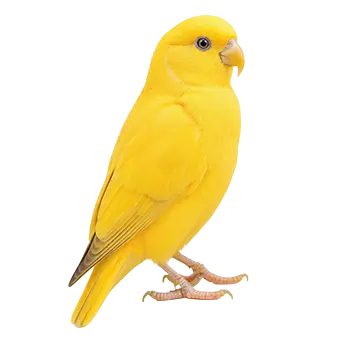

The juvenile stage of the Waterslager Canary begins at fledging, typically around three weeks of age, and extends through the first major molt, which generally occurs between eight and twelve weeks. This is a period of extraordinary transformation as the chick transitions from a dependent nestling to an increasingly self-sufficient young bird. The fledging moment itself is both exciting and nerve-wracking for the keeper, as the chick takes its first uncertain flights and must learn to navigate the cage environment, find food and water independently, and establish its place among cagemates.
Weaning is the defining nutritional event of the early juvenile period. After fledging, the chicks continue to be fed by the hen for an additional ten to fourteen days, but they simultaneously begin experimenting with solid food. You will notice fledglings pecking at seed, egg food, and greens with increasing frequency and competence. The transition from parental feeding to self-feeding is gradual, and it is important not to separate the chicks from the hen too early. Premature weaning can lead to weight loss, stress, and developmental setbacks. Most Waterslager breeders separate chicks from the parents at around 28 to 35 days of age, once the young birds are consistently eating on their own and maintaining stable body weight.
The physical separation from the parents is a significant event for the young Waterslager. Move the weaned chicks to a spacious flight cage where they can exercise their wings and develop flight strength. House juveniles together during this early period, as the social interaction is beneficial for behavioral development. Ensure that the flight cage has multiple feeding stations to prevent dominant birds from monopolizing food access. Perches should be placed at varying heights and distances to encourage flight and improve coordination.
Monitor the newly weaned chicks closely during the first week after separation. Weigh each bird daily at the same time to confirm that it is maintaining or gaining weight. A chick that loses weight after separation may not have been fully weaned and might need to be returned to the hen or provided with supplemental hand-feeding using a soft, warm egg food mixture delivered by syringe or spoon. The stress of separation combined with the energy demands of rapid growth makes this a vulnerable period, and attentive observation is the keeper's best tool for catching problems early.