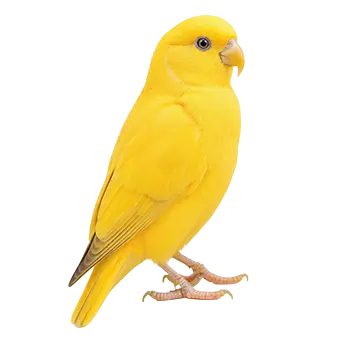

A Waterslager Canary is generally considered to enter the senior stage at around six to seven years of age, though the onset of aging varies among individuals depending on genetics, lifetime nutrition, disease history, and overall husbandry quality. With attentive care, Waterslagers can live to ten or twelve years, meaning the senior phase may encompass a substantial portion of the bird's total lifespan. Recognizing the transition into the senior stage is important because it signals the need for adjustments to diet, environment, and health monitoring that can significantly influence the bird's comfort and longevity.
The earliest signs of aging are often subtle and gradual. A senior Waterslager may become less active than it was during its prime years, spending more time perched quietly and less time engaged in vigorous flight across the cage. The bird's singing pattern may change, with shorter singing sessions, fewer tours in each performance, or a slight reduction in volume and clarity. These changes are normal and do not necessarily indicate illness, but they do reflect the gradual decline in metabolic rate, hormonal output, and muscular efficiency that accompanies advancing age in all vertebrates.
Physical changes become more apparent as the bird progresses through the senior stage. Feather quality may decline slightly with each successive molt, producing plumage that is less tightly structured or slightly duller than the glossy, smooth feathering of the bird's prime years. The beak and nails may grow more quickly or irregularly as the bird's activity level decreases and natural wear from perching and foraging is reduced. Some senior canaries develop thickened or scaly skin on the legs and feet, which may be a normal age-related change or may indicate a mite infestation that requires treatment.
Behavioral changes accompany the physical ones. A senior Waterslager may become less reactive to environmental stimuli, showing less startle response to sudden movements or sounds. This increased calmness can be mistaken for contentment when it actually reflects diminished sensory acuity. Conversely, some aging canaries become more anxious or easily disturbed, particularly if they are experiencing discomfort from arthritis or other age-related conditions. Understanding each bird as an individual and recognizing departures from its established behavioral baseline is essential for providing appropriate senior care.