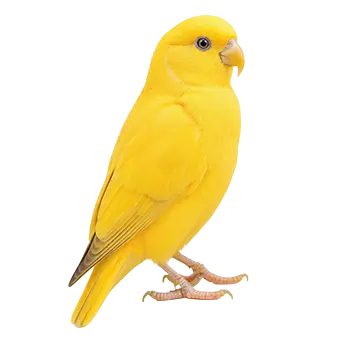

An adult Waterslager Canary thrives on consistency. These birds are creatures of routine, and a stable daily schedule of feeding, cleaning, light exposure, and interaction establishes the sense of security that allows the bird to devote its energy to singing, preening, and the normal behaviors that indicate contentment. The daily care routine for an adult Waterslager is not time-intensive, but it must be performed reliably, as lapses in basic husbandry accumulate and manifest as health or behavioral problems over time.
The day should begin at a consistent time, ideally with the gradual introduction of light that mimics a natural dawn. Many keepers use a timer on the room lights or a dedicated avian light fixture to automate the photoperiod. During the active singing season, typically from late autumn through spring, a photoperiod of 12 to 14 hours of light supports hormonal balance and vocal activity. During the summer molt period, reducing the day length to 10 to 12 hours helps regulate the molt cycle. Upon waking, the bird's first need is fresh water and seed. Replace all water dispensers daily, washing them thoroughly to prevent biofilm buildup, and replenish the seed supply, blowing off empty husks to ensure the bird has access to intact seeds.
Fresh food should be offered in the morning so that it is consumed while it is freshest. Egg food, greens, and sprouted seeds should be placed in a separate dish from the dry seed and removed after a few hours if uneaten, as these moist foods spoil quickly at room temperature. Clean the cage bottom daily by replacing the paper liner and removing any accumulated droppings, scattered husks, or discarded food. A quick visual inspection of the bird during these morning tasks allows you to assess its condition before the day begins. Note its posture, feather condition, eye clarity, and whether it is eating and drinking normally.
Evening routines are simpler but equally important. Remove any remaining fresh food, check water levels, and allow the bird to settle as the light dims. Covering the cage at night is a common practice that provides a sense of security and blocks out artificial light sources that could disrupt the bird's sleep cycle. A cover also prevents drafts from reaching the cage during cooler nights. An adult Waterslager should receive 10 to 12 hours of uninterrupted sleep each night to maintain its immune function and overall vitality.
A weekly deep clean of the cage complements the daily maintenance routine. Remove the bird to a temporary holding cage, then scrub all cage surfaces, perches, and dishes with an avian-safe disinfectant. Rinse thoroughly and allow everything to dry completely before reassembling. Replace any worn or soiled perches, and inspect the cage for sharp edges, rust spots, or broken welds that could injure the bird. This weekly cleaning also provides an opportunity to observe the cage bottom papers over several days for any changes in droppings volume, consistency, or color that might indicate a developing health issue.