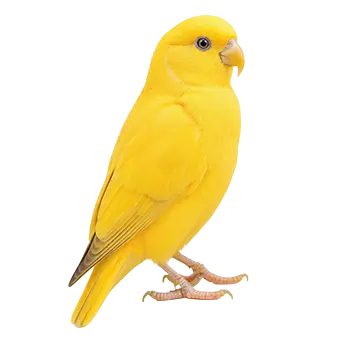

Waterslager Canary Species Guide - Furry Critter Network

Waterslager Canary

Quick Facts

🔬 Scientific Name
Serinus canaria domestica
📊 Care Level
Moderate
😊 Temperament
Quiet, Reserved, Independent
📏 Adult Size
5.5-6 inches
⏱️ Lifespan
8-12 years
🔊 Noise Level
Quiet to Moderate
🗣️ Talking Ability
None (exceptional singer)
🍽️ Diet Type
Seed-based
🌍 Origin
Domesticated (Belgium, 1600s-1700s)
🏠 Min Cage Size
18x18x18 inches minimum
📐 Size
Small

Waterslager Canary - Names & Recognition

The Waterslager Canary is a domesticated variety of the species Serinus canaria domestica, which encompasses all domestic canaries regardless of breed type. Like all pet and exhibition canaries, Waterslagers descend from the wild canary (Serinus canaria) native to the Macaronesian islands. The Waterslager belongs to the song canary category, one of the three main divisions of domestic canaries (type canaries bred for appearance, color canaries bred for plumage color, and song canaries bred for vocal ability). Within the song canary category, the Waterslager represents one of the most distinctive and specialized breeds, developed exclusively and intensively for a unique singing style that has no parallel in any other canary breed or indeed in any other commonly kept cage bird.

The name Waterslager derives from the Flemish/Dutch words 'water' (water) and 'slager' (striker or beater), literally translating to 'water beater' or 'water striker,' directly referencing the breed's most distinctive and defining characteristic—their remarkable ability to produce liquid, bubbling, cascading notes that sound remarkably like flowing water, babbling brooks, or water being poured. This distinctive 'water tour' or 'water roll' represents the most prized and characteristic element of Waterslager song, distinguishing these birds from all other canary breeds and making their songs instantly recognizable to anyone familiar with canary fancy. The Flemish/Dutch terminology reflects the breed's origin in the Flemish-speaking regions of Belgium where the breed was developed over centuries.

The breed is equally well-known by the alternate name Malinois Canary or Mechelse Canary, referencing the Belgian city of Mechelen (Malines in French), located in the Flemish region of Belgium between Brussels and Antwerp. Mechelen and the surrounding areas of Flanders served as the historical center of Waterslager breeding and development from the 17th century onward, with generations of Belgian breeders carefully selecting and refining the breed's distinctive song characteristics. The city of Mechelen became so closely associated with this breed that Malinois (meaning 'from Malines') became synonymous with Waterslager, and the terms are used interchangeably in canary fancy worldwide. Some sources use both names together as Waterslager-Malinois to emphasize both the distinctive song characteristic and the geographic origin.

In Belgium and other French-speaking regions, the breed is commonly called Canari Malinois, while in Flemish/Dutch-speaking areas, Mechelse Kanarie or Waterslager are standard. In German-speaking regions, the breed is known as Wasserschläger or Malinois-Kanarienvogel. English-speaking canary fanciers typically use Waterslager, though Malinois is also widely recognized and accepted. These various names all refer to the same breed with identical characteristics and song style, with naming preferences varying by region and language but describing the same distinctive Belgian song canary.

Historical names and designations include Belgian Waterslager emphasizing national origin, Belgian Song Canary though this is less specific as Belgium has produced other canary breeds, and various local names used in different Flemish towns and villages before standardization. The breed has been known and recognized for at least 300-400 years, making it one of the oldest continuously bred and maintained specialized canary types, with written records of selective breeding for water-like song dating back to the 1600s-1700s.

There are no recognized subspecies or varieties of Waterslager Canaries in terms of differing standards or types, as the breed is defined entirely by song characteristics rather than physical appearance. All true Waterslagers sing in the characteristic style featuring water tours regardless of their color or physical appearance. However, Waterslagers are bred and shown in various color varieties including green (yellow ground with dark melanin overlay—the traditional and most common color), variegated (mixed clear and dark areas), clear yellows and buffs (without dark pigmentation, though less common historically), cinnamon (brown melanin instead of black), and various modern color mutations. These color variations are secondary to song quality, and judges in Waterslager competitions evaluate and score birds based entirely or primarily on song characteristics, vocal performance, and adherence to traditional water tour style rather than appearance or color.

The scientific classification Serinus canaria domestica applies to all domestic canaries regardless of breed, with 'domestica' denoting domesticated status. Waterslagers can technically interbreed with other canary breeds and are taxonomically identical, though breeders maintain distinct lines and carefully avoid outcrossing to preserve the specific vocal characteristics that define the breed. Cross-breeding a Waterslager with non-song canaries typically results in offspring with degraded or lost water tour abilities, as the complex song is controlled by multiple genetic factors requiring careful selective breeding to maintain.

Waterslager Canaries have been bred and refined for song excellence for centuries in Belgium, with the breed gaining international recognition and popularity during the 19th and 20th centuries as canary fancy spread globally. Dedicated Waterslager clubs and societies exist in Belgium, Germany, the Netherlands, the United States, and other countries, maintaining breed standards, organizing song competitions, and preserving breeding knowledge. Song competitions (called 'contests' in the fancy) represent the primary venue for Waterslager exhibition, with trained judges evaluating and scoring male birds based on the quality, complexity, and correctness of their songs according to detailed standards specifying desirable and undesirable notes, tours (phrases), and vocal characteristics. These competitions maintain breeding standards and ensure continuation of the authentic Waterslager song style across generations.

Waterslager Canary Physical Description

The Waterslager Canary is a medium-sized canary measuring approximately 5.5 to 6 inches (14-15 centimeters) in length from beak to tail tip, placing it in the middle range of canary sizes—larger than diminutive breeds like Fife Fancy but smaller than substantial type canaries like Norwich. Adult Waterslagers typically weigh between 22 and 28 grams (0.8-1.0 ounces), making them similar in weight to Border Canaries. However, these physical dimensions are essentially irrelevant to the breed's identity and appeal, as Waterslagers are bred exclusively for song quality with virtually no selection pressure applied to appearance, body shape, or conformation. The result is birds that vary considerably in physical appearance but share the distinctive vocal abilities that define the breed.

The body structure of Waterslager Canaries lacks the distinctive, standardized conformation seen in type canaries like Borders or Norwich. Waterslagers show relatively plain, unremarkable body shapes varying from somewhat chunky to fairly slender, with no specific ideal body type specified in breed standards. The head may be rounded or slightly elongated, the chest may be full or relatively flat, and the overall build may range from compact to slightly elongated—all variations are acceptable because appearance is immaterial to the breed's purpose. What matters is song, not shape. This lack of emphasis on physical type means Waterslagers appear as 'generic' canaries without the distinctive silhouettes of specialized type breeds, though they are perfectly functional, healthy birds.

Stance and posture in Waterslagers are similarly variable and unimportant, ranging from relatively horizontal to somewhat upright depending on individual variation and mood, with no ideal posture specified or selected for. When singing, males adopt characteristic singing postures—often standing upright with body tense, throat extended, and beak partially open while producing their complex vocalizations—but this singing posture reflects vocal performance rather than breed-specific stance.

The plumage of Waterslager Canaries varies in feather type and quality, as these characteristics have not been selection priorities. Some birds show tighter, smoother plumage while others show softer, fuller feathering, with variation considered acceptable and irrelevant to song quality. Feather quality should be adequate for health and normal function, but the refined, carefully managed feather characteristics important in type canaries are not emphasized in Waterslagers. This means breeding can focus entirely on song without concerning about maintaining specific plumage types, allowing breeders to concentrate on vocal abilities.

Color varieties in Waterslager Canaries historically centered on green (yellow ground color with black melanin overlay creating greenish appearance), which was the traditional and predominant color in classic Waterslager bloodlines. Green Waterslagers showing good rich color were historically most valued, and green remains the most common color today. However, modern Waterslagers are bred in numerous color varieties including clear yellows (pure yellow without dark pigmentation), clear buffs (softer, frosted appearance without dark pigments), variegated (combination of clear and melanistic areas in various patterns), cinnamon (brown melanin replacing black), blue (white ground with dark overlay), fawn (white ground with brown overlay), and various modern color mutations including isabel, agate, and others. Despite this color variety, color remains completely secondary to song quality in breeding and exhibition, with judges evaluating birds based purely on vocal performance regardless of appearance.

The beak is typically of moderate size and proportionate to head, horn-colored or pale flesh-colored, unremarkable in appearance. The eyes are dark brown to black, creating normal canary expression. The legs and feet are flesh-colored to grey, of normal proportions, and show no distinctive characteristics. Every physical feature in Waterslagers is essentially 'standard canary' without distinctive modifications, as centuries of breeding focused exclusively on internal vocal characteristics rather than external appearance.

Sexual dimorphism in Waterslager Canaries, as in all canaries, relates primarily to behavior and vocalization rather than physical appearance, making visual sexing impossible. Males sing the elaborate, complex Waterslager song with characteristic water tours and other distinctive phrases, while females do not sing or produce only occasional soft chirps. This dramatic difference in vocal ability represents the only reliable way to distinguish males from females, as physical appearance provides no useful cues. For those acquiring Waterslagers specifically for song (which represents virtually everyone interested in the breed), obtaining males is absolutely essential, requiring either waiting until young birds mature and males begin singing around 6-12 months of age or purchasing DNA-sexed birds or guaranteed singing males from specialized breeders familiar with the breed.

Juvenile Waterslager Canaries resemble juveniles of other canary breeds, showing duller plumage, softer feather texture, and less defined appearance than adults. Young birds undergo their first adult molt around 8-12 weeks of age, developing full adult plumage and coloration. Young males begin attempting song during the first several months, with song quality and complexity improving dramatically with maturity, practice, and particularly with exposure to high-quality adult male singers during the critical learning period. Full adult song development typically requires 12-18 months, with continued refinement possible in subsequent years, making the first year critical for proper song development.

The overall appearance of Waterslager Canaries can be summarized as unremarkable, plain, and variable—quite ordinary compared to the distinctive, carefully refined appearance of type canaries or the vibrant colors of color canaries. This plainness is not a deficiency but rather reflects the breed's singular focus on what cannot be seen but only heard—the extraordinary song that makes Waterslagers unique. Their appearance essentially serves as a functional housing for their remarkable vocal apparatus and the neural systems enabling their complex song learning and production. Waterslager fanciers value these birds not for how they look but for the extraordinary sounds they produce—sounds that have been compared to running water, babbling brooks, tinkling bells submerged in water, and liquid crystal notes that seem to cascade and flow rather than simply being sung. This focus on auditory rather than visual beauty makes Waterslagers unique among canary breeds and attractive to those who value acoustic excellence and musical sophistication over visual appearance, making them the choice of true song connoisseurs who appreciate the breed's remarkable vocal artistry.

Affection Level
Waterslager Canaries do not form bonds with humans and are not affectionate companion birds. They are observational cage birds that remain independent and reserved. They become stressed by handling attempts and should only be observed from outside their cages. Their appeal lies entirely in their extraordinary singing abilities, producing the most unique and beautiful song of any canary breed.
Sociability
Waterslager Canaries can be kept singly or in same-sex groups. Males are typically housed individually as they become territorial and need quiet environments to develop proper song. Females can sometimes be housed together successfully. While not intensely social as finches, they appreciate the presence of other canaries nearby. They remain completely independent from human social interaction.
Vocalization
Male Waterslager Canaries are extraordinary singers bred specifically for their unique song featuring distinctive liquid, bubbling 'water tour' notes that sound like cascading water or babbling brooks. Their songs are complex, haunting, and utterly unique among canaries. They sing at moderate volume with exceptional tonal quality. This is their primary appeal and the sole reason for the breed's existence. Females don't sing.
Intelligence
Waterslager Canaries demonstrate moderate intelligence typical of canaries. They learn daily routines, recognize caretakers, and possess exceptional auditory learning abilities for acquiring and perfecting their complex songs. While intelligent within their behavioral range, they lack problem-solving abilities of parrots and are not trainable for tricks. Their intelligence is expressed through sophisticated song learning and memory.
Exercise Needs
Waterslager Canaries are reasonably active birds requiring daily flight exercise and movement. They benefit from cages allowing short flights between perches and appreciate out-of-cage flight opportunities. While song is their primary activity, adequate physical exercise remains essential for maintaining health, muscle tone, cardiovascular fitness, and preventing obesity in these vocal specialists.
Maintenance Level
Waterslager Canaries require moderate maintenance including daily feeding, fresh water, and cage cleaning. They are relatively messy eaters that scatter seed hulls requiring regular cleanup. While less demanding than parrots, they need proper housing with quiet environments for song development, balanced diet, regular bathing opportunities, and health monitoring. Males require yearly molting support.
Trainability
Waterslager Canaries are not trainable in traditional senses and should not be regularly handled. They are observational cage birds appreciated for their singing. They can learn to recognize feeding times and may become less nervous around familiar caretakers, but this represents habituation rather than training. They cannot learn tricks or commands. Handling causes stress and may disrupt song development.
Independence
These canaries are extremely independent and neither require nor desire human interaction beyond basic care. Males particularly are content alone, spending extensive time practicing and perfecting their complex songs. Their quiet, reserved demeanor combined with complete independence makes them ideal for people who appreciate extraordinary musical ability without demands of interactive pets. They thrive in calm, quiet environments.

Natural Habitat & Range

As a fully domesticated breed developed through selective breeding beginning in the 17th century, Waterslager Canaries have no natural habitat in the wild, existing exclusively in captivity as human-created variants specifically bred for song. The breed was developed entirely in Belgium, particularly in and around the city of Mechelen (Malines) and the surrounding Flemish regions, through centuries of careful selective breeding focused exclusively on developing and refining distinctive vocal characteristics. However, understanding the ancestral origins provides context for care requirements.

All domestic canaries, including Waterslagers, ultimately descend from the wild canary (Serinus canaria), a small finch endemic to the Macaronesian islands including the Canary Islands, Azores, and Madeira off northwestern Africa. These volcanic islands feature varied topography and climates ranging from subtropical to temperate Mediterranean. Wild canaries occupy diverse environments including forests, scrublands, agricultural areas, and gardens across various elevations. The climate is predominantly mild and stable with wet winters and warm, dry summers, influencing captive care requirements as dramatic temperature fluctuations can stress domestic canaries.

Wild canaries are social birds forming flocks outside breeding season, with males establishing territories through song during breeding. Their diet consists predominantly of small seeds from diverse plant species, with some fruits, buds, and insects during breeding. This seed-based diet with supplemental fresh foods forms the basis for captive canary nutrition.

The domestication of canaries began approximately 500 years ago when Spanish sailors brought wild canaries to Europe in the early 16th century. Initially kept for song, canaries became popular across Europe with breeding populations establishing. Different regions developed distinct breeding goals, producing the diversity of modern canary breeds. The Waterslager Canary specifically emerged in Belgium during the 1600s-1700s, developed by Flemish breeders who selectively bred for distinctive song characteristics particularly the liquid, bubbling water-like notes.

The historical development centered in Mechelen and surrounding Flemish regions of Belgium, areas with strong traditions of animal breeding and agricultural expertise. Flemish weavers, miners, and artisans kept canaries as companions, breeding them intensively for song quality. These breeders developed systematic approaches to song breeding, carefully selecting males producing the most desirable water tour notes, culling birds with undesirable vocal characteristics, and using the best singers as breeding stock. Young males were raised in carefully controlled acoustic environments, often housed where they could hear mature males singing proper Waterslager style, allowing them to learn correct song through imitation during critical developmental periods. This practice of controlled acoustic exposure during development remains important in maintaining authentic Waterslager song today.

By the 18th and 19th centuries, Waterslager breeding had become highly developed and organized, with formal clubs, competitions, detailed standards, and systematic breeding records. Belgian Waterslager breeders gained international recognition for producing the finest song canaries, and birds were exported worldwide. Song contests became central to the fancy, with trained judges evaluating males based on standardized criteria for desired and undesired vocal characteristics. These competitions maintained breeding standards and ensured continuation of authentic song style.

The Waterslager nearly became extinct during World Wars I and II when breeding programs in Belgium were devastated by occupation, food shortages, and general disruption. Post-war revival efforts by dedicated Belgian, Dutch, and German breeders restored populations, though some feared the authentic song style had been partially lost. Intensive efforts to locate remaining quality stock and rebuild breeding programs successfully preserved the breed, though debates continue among fanciers about whether modern Waterslagers sing exactly as historical birds did or whether some subtle characteristics were lost and later reconstructed.

Modern Waterslager Canaries are completely domesticated, having been bred exclusively in captivity for 300-400 years with intensive selection focused on song characteristics. They are utterly dependent on human care and have been dramatically modified in their vocal capabilities compared to wild canaries through centuries of selective breeding. While they retain fundamental canary behaviors, their song represents an extraordinary example of human influence on animal behavior through selective breeding—producing birds capable of vocal performances dramatically different from and vastly more complex than their wild ancestors. The Waterslager song represents one of the most remarkable achievements in selective breeding for behavioral traits, creating birds whose singing abilities have been refined and elaborated to levels of complexity and beauty unmatched by any other canary breed and creating sounds that genuinely evoke flowing water through purely vocal means—an extraordinary testament to both the birds' capabilities and the breeders' dedication across centuries.

Temperament

The Waterslager Canary possesses a temperament characteristic of canaries—independent from human interaction, appreciated for observation and particularly for singing rather than companionship. However, Waterslagers are often noted by fanciers as having particularly quiet, reserved, even somewhat shy personalities compared to bolder type canaries like Norwich. This quieter demeanor may reflect generations of breeding in calm, controlled acoustic environments necessary for proper song development, selecting for birds that focus intently on singing rather than displays of boldness or assertiveness. These are quintessential observational cage birds valued exclusively for their extraordinary vocal abilities.

Waterslager Canaries do not form bonds with humans, do not seek or desire human attention or physical contact, and do not become tame or handleable. They retain naturally independent, reserved dispositions, viewing close human approach with caution and handling attempts with stress. Regular handling causes distress, panic responses, and stress that can disrupt singing and song development in young males. Their value lies entirely in their singing—the liquid, cascading, haunting songs produced by males represent the breed's sole purpose and appeal.

Many Waterslager fanciers note these birds seem more focused and inward-directed compared to some breeds, often appearing absorbed in their own vocalizations and practice. Males spend extensive time singing, practicing, and perfecting their complex songs, often seeming almost meditative in their focus on vocal performance. This concentration on singing creates birds that are somewhat less actively interactive with their environment compared to busier, more outwardly directed breeds, though they remain alert and aware.

Male Waterslager Canaries are valued entirely and exclusively for their singing ability—this cannot be overstated. The breed exists solely to produce distinctive song. While all male canaries sing, Waterslagers produce songs utterly unlike any other canary breed or any other commonly kept bird. Their songs feature the distinctive 'water tour' or 'water roll'—liquid, bubbling, cascading notes that sound remarkably like flowing water, babbling brooks, or water being poured. These water notes are produced deep in the throat with the beak mostly closed, creating a muffled, rolling, liquid quality that is hauntingly beautiful and completely unique.

In addition to water tours, Waterslager song includes other characteristic elements called 'tours' in the fancy: bell tours (clear, bell-like notes), hollow rolls (deep, resonant rolled notes), and various other phrases. High-quality Waterslager song should flow smoothly with proper phrasing, correct tours delivered with clarity and precision, and minimal or no undesirable harsh notes or chopped phrases considered faults. Song evaluation is complex and technical, with trained judges scoring performances based on detailed standards specifying exactly which tours should appear, how they should sound, and what constitutes excellent versus mediocre execution.

Waterslager song is distinctively different from other song breeds. Roller Canaries (another famous song breed) produce continuous, rolled notes sung with beak closed creating an internal, rolling quality. American Singer Canaries produce melodious, varied songs with open, cheerful character. Waterslagers produce their signature liquid, cascading water sounds that are instantly recognizable and impossible to confuse with other breeds. This distinctive sound quality represents centuries of selective breeding focused on one specific vocal characteristic.

Males begin singing around 6-12 months of age, with song quality developing over the first 1-2 years. Young males require exposure to high-quality adult males during development to learn proper song through imitation. Breeders traditionally house young males where they can hear excellent adult singers, allowing them to absorb proper Waterslager style during critical learning periods. Without proper acoustic exposure, young males may develop incomplete or incorrect songs lacking characteristic water tours or including undesirable elements.

Female Waterslagers do not sing or produce only very soft occasional chirps. For anyone acquiring Waterslagers, males are essential—females have no particular appeal since the breed's entire value lies in song. Visual sexing is impossible, requiring either waiting for males to reveal themselves through song development or purchasing DNA-sexed or guaranteed singing males from specialized breeders.

Social structure in Waterslagers emphasizes individual housing for males particularly during song development and breeding season. Males need quiet, calm environments to develop proper song and to sing without interference from other males. Unlike some breeds where competitive singing between nearby males may be beneficial, Waterslager fanciers often prefer housing males in quieter conditions allowing focused song practice and development. Females can sometimes be housed together.

Interaction style with humans is characterized by reserved wariness. Waterslagers typically retreat to far perches when humans approach, though with patient care they habituate enough to continue normal activities when caretakers are visible at appropriate distances. Their quieter personalities mean they may remain more reserved than bolder breeds even with perfect care, though this reflects their nature rather than inadequate socialization.

Vocalization patterns beyond song include soft chirps and calls used for basic communication. These are very quiet and unobtrusive. The real vocal feature is the male's extraordinary song—complex, liquid, cascading, utterly distinctive, and capable of producing the flowing water sounds that give the breed its name. Song quality varies between individuals based on genetics, training, and natural ability, with the finest singers producing exquisitely beautiful water tours that justify the breed's centuries-long reputation.

Mood indicators include activity level, feeding behavior, singing (in males with enthusiastic, regular singing indicating good health), posture, and feather condition. Signs of stress include fluffed feathers, lethargy, loss of appetite, males stopping singing, and behavioral changes. Waterslagers spend considerable time singing (males) or quietly observing, reflecting their more reserved, inward-focused personalities.

Training is not applicable. They cannot learn tricks and handling should be minimized. Their care focuses on providing proper environment supporting song development and maintenance—quiet, calm conditions, proper diet, adequate rest, and for young males, exposure to quality adult singers during critical developmental periods.

Care Requirements

Providing appropriate housing for Waterslager Canaries requires understanding their need for flight space, proper environmental conditions, and critically, the quiet, calm environments necessary for proper song development and maintenance. While basic physical housing requirements resemble other canaries, Waterslagers benefit particularly from acoustic considerations supporting their primary purpose as song specialists.

The absolute minimum cage size for a single Waterslager Canary is 18 inches long by 18 inches deep by 18 inches tall, though larger cages are strongly preferred. Cages measuring 24-30 inches in length provide better flight opportunities essential for exercise and health. Horizontal space is more important than height, as canaries fly between perches more than climbing vertically.

Cage construction should feature predominantly horizontal bars facilitating movement. Bar spacing must be appropriate—3/8 to 1/2 inches maximum to prevent head entrapment. The cage should be constructed from powder-coated metal or stainless steel. All cage doors must feature secure closures.

Cage location is particularly important for Waterslagers. Position cages in relatively quiet areas away from loud household activities, excessive traffic, or disturbing noises. While they need bright natural light, avoid extremely busy areas that create stress. Males particularly benefit from calm environments allowing focused singing practice and development. During critical song learning periods for young males (roughly 6-18 months of age), acoustic environment becomes especially important—young males should be able to hear quality adult singers but should be protected from acoustic pollution including harsh sounds, excessive noise, or incorrect singing that might be learned and incorporated into their developing songs.

Some Waterslager breeders traditionally house young males in acoustically controlled environments, sometimes using specially designed song training rooms or facilities where young birds can hear excellent adult singers without visual stimulation or distraction, allowing focused auditory learning. While such specialized setups aren't necessary for casual pet keepers, the principle remains—young males benefit from hearing good singers and being protected from acoustic distractions during development.

Perch variety and placement are standard for canaries. Provide multiple perches of varying diameters (approximately 3/8 to 1/2 inches thick) positioned at different heights. Natural wood perches provide varied diameter and texture. Position perches creating flight corridors while leaving open space.

Enrichment items include bathing dishes or commercial bird baths. Most Waterslagers enjoy bathing. Provide cuttlebone permanently attached to cage bars. Offer occasional millet sprays. Avoid excessive toys or clutter—Waterslagers benefit from relatively simple, calm cage environments without excessive visual stimulation that might distract from singing.

Substrate options include plain paper, newspaper, or commercial liners changed daily. Seed hulls accumulate requiring regular cleaning.

Food and water containers should be appropriately sized—sturdy dishes that cannot tip easily. Use separate containers for seed mix, fresh foods, and water. Place dishes away from perches. Change water daily, more often if soiled.

Cage cleaning routines should include daily tasks: replacing substrate, cleaning food and water dishes, removing uneaten fresh foods, and spot-cleaning. Weekly tasks include thorough cage cleaning, washing perches, and inspecting equipment. Monthly tasks include deep cleaning and assessment.

Lighting and photoperiod management are important. Provide 12-14 hours light during spring/summer if breeding is desired, reducing to 10-12 hours during fall/winter. Consistent photoperiod helps regulate breeding condition and supports regular singing patterns in males. Avoid abrupt photoperiod changes.

Out-of-cage flight time in bird-safe rooms provides valuable exercise. Allow supervised flight time several times weekly. This exercise helps maintain fitness and health. During flight time, quiet environments without loud noises or disturbances are preferable.

Breeding setups require specific accommodations including breeding cages (minimum 24x18x18 inches), appropriately sized nest pans, suitable nesting material, enhanced nutrition, appropriate photoperiod, and critically, careful selection of breeding pairs based on song quality in males and genetic background in both sexes. Waterslager breeding is specialized and complex, requiring knowledge of song genetics, careful record keeping, and ideally mentorship from experienced breeders. Only males demonstrating proper Waterslager song with characteristic water tours should be used for breeding to maintain authentic breed characteristics.

Song training considerations for young males include housing arrangements allowing them to hear quality adult male singers during critical developmental periods roughly 6-18 months of age, protecting them from hearing incorrect or harsh vocalizations that might be learned, providing calm, quiet environments reducing stress and distraction during song learning, and potentially using recorded songs from excellent singers if live tutors aren't available, though live tutoring is generally considered superior.

Environmental enrichment includes regular bathing opportunities, varied perching materials, food variety, positioning allowing observation of calm household activities, and for males, the act of singing itself provides substantial enrichment and mental engagement.

Safety considerations include secure latches, eliminating gaps or hazards, avoiding toxic plants, maintaining proper temperatures, ensuring good ventilation, and protecting from household hazards. Additionally, protecting males from acoustic stress through appropriate quiet environments supports their primary purpose as singers.

Acoustic environment deserves special emphasis for Waterslagers. Position cages away from televisions, sound systems, loud appliances, or areas with frequent loud noises. During song development, males benefit from hearing quality Waterslager singing—either from nearby males in separate cages or from recordings. Avoid exposing young males to canaries singing incorrect styles or to harsh, disturbing sounds during critical learning periods. Once song is established in mature males, they are less influenced by acoustic environment but still benefit from calm conditions supporting regular singing.

With proper housing providing adequate space, appropriate calm and quiet environmental conditions particularly supporting song development, excellent hygiene, and suitable acoustic environments, Waterslager Canaries thrive and produce their extraordinary liquid, cascading songs that represent the breed's sole purpose and remarkable legacy.

Feeding & Nutrition

Proper nutrition for Waterslager Canaries is fundamental to maintaining health, supporting their vocal systems, enabling molt of plumage, and ensuring the energy and condition necessary for sustained singing. While their basic dietary requirements resemble other canaries, maintaining optimal health to support their primary activity—singing complex, demanding songs—requires particular attention to balanced, high-quality nutrition.

The foundation should consist of high-quality canary seed mix comprising 60-70% of daily intake. Quality mixes should include canary seed as primary component, rape seed, niger seed, small amounts of hemp seed (limited due to fat content), linseed in small amounts, and other appropriate seeds. Premium canary mixes from reputable suppliers provide balanced variety. Avoid cheap mixes with excessive filler, old or stale seed, or inappropriate large seeds.

Fresh foods supplement the seed-based diet providing essential vitamins and minerals. Offer daily small amounts of dark leafy greens including chickweed, dandelion leaves, romaine lettuce, spinach in moderation, and kale; vegetables including grated carrot, broccoli, corn, and zucchini; fresh fruits including apple pieces (seeds removed), pear, grapes, berries, and orange segments; and herbs including parsley and cilantro. Fresh foods provide vitamins supporting immune function, respiratory health, and overall vitality necessary for sustained vocal performance.

Egg food is essential during molt (supporting the demanding process of feather replacement that diverts energy from singing), breeding season, and beneficial year-round. During annual molt, provide egg food 2-3 times weekly. During breeding, provide daily when raising chicks. Some keepers provide small amounts weekly year-round for general health support. Egg food provides concentrated protein supporting tissue maintenance and repair.

Grit and mineral supplementation practices include providing small amounts of fine mineralized grit occasionally. Cuttlebone should be permanently available providing calcium essential for bone health and serving as beak conditioning surface. Mineral blocks formulated for canaries offer additional minerals and trace elements.

Molting supplements provide valuable support during annual molt. These supplements contain increased protein, B-vitamins, minerals, and amino acids supporting feather development. Following label directions, mix into drinking water or sprinkle on food during molt. Importantly, male Waterslagers should not be expected to sing extensively during molt—the physiological demands of feather replacement reduce energy available for vocal performance, and trying to force singing during molt creates stress. Once molt completes, males typically resume singing with renewed vigor.

Foods to avoid include avocado (highly toxic), chocolate and caffeine, salt and salty foods, sugar and sugary foods, apple seeds and fruit pits, onions and garlic, alcohol, rhubarb leaves, and any spoiled or moldy food.

Water requirements are critical. Provide fresh, clean water daily in appropriate dishes changed at least once daily, more often if soiled. Adequate hydration is particularly important for vocal health, as dehydration can affect voice quality and singing ability. Clean water supports healthy mucous membranes in the throat and respiratory system essential for producing clear, liquid water tours characteristic of proper Waterslager song. Monitor consumption, as changes indicate potential problems.

Supplementation with vitamins can be beneficial particularly during molt, breeding, or stress periods. Water-soluble supplements can be added to drinking water following directions. Avoid over-supplementation which can cause toxicity.

Foraging enrichment makes feeding engaging. Scatter small amounts of seed encouraging ground foraging, hang millet sprays, provide seeding grasses when available, rotate food presentation, and offer variety. These activities provide mental stimulation while feeding natural instincts.

Feeding schedules should provide dry seed mix available constantly throughout daylight hours. Canaries have high metabolic rates requiring frequent feeding. Offer fresh foods once daily in morning, removing unconsumed items after 4-6 hours preventing spoilage. Provide egg food and supplements during appropriate periods.

Monitoring food consumption and body condition ensures adequate nutrition. Waterslagers should be active, bright-eyed, maintaining good body condition with smooth plumage and healthy appearance. Prominent keel bones indicate underweight condition, while inability to feel keel bone suggests obesity. Regular weighing on gram scales (healthy adults typically weigh 22-28 grams) tracks trends. For males, enthusiastic, regular singing with clear production of characteristic water tours indicates good health and adequate nutrition. Any decline in song quality, frequency, or voice clarity may indicate nutritional deficiencies or health problems requiring investigation.

Vocal health considerations include ensuring adequate hydration supporting healthy throat tissues, providing balanced nutrition supporting sustained energy expenditure for singing, avoiding foods causing excessive mucus production that might affect voice quality (though specific evidence for particular foods is limited), and ensuring adequate rest periods particularly during molt when singing naturally reduces. Some Waterslager breeders believe certain dietary elements may enhance singing, though scientific evidence is limited—the most important factor is providing balanced, high-quality nutrition supporting overall health, which naturally supports vocal performance.

With appropriate high-quality seed-based diet, fresh food supplementation, egg food during critical periods particularly molt, mineral provision, adequate hydration, and engaging foraging methods, Waterslager Canaries maintain excellent health and produce their extraordinary liquid, cascading songs throughout their 8-12+ year lifespan.

Waterslager Canary Health & Lifespan

Waterslager Canaries are generally hardy birds when properly bred and provided with appropriate care. With optimal conditions including proper diet, suitable housing, good hygiene, and minimal stress, they typically live 8-12 years, with some individuals documented living 15+ years. However, their small size and rapid metabolism mean they can deteriorate quickly when health problems occur, requiring vigilant observation and prompt intervention. Respiratory infections represent significant health concerns in all canaries including Waterslagers, particularly important because respiratory health directly affects singing ability. Birds with even mild respiratory problems may show degraded voice quality, reduced singing, or complete cessation of song before other symptoms become obvious. Clinical signs include labored breathing, open-mouth breathing, tail bobbing, nasal discharge, sneezing, reduced or completely lost song in males (often the earliest indicator of respiratory issues), fluffed feathers, lethargy, and loss of appetite. Air sac mites (Sternostoma tracheacolum) can infest respiratory passages causing breathing difficulties, altered voice, and characteristic clicking sounds. These parasites are particularly devastating for song canaries as they directly damage the vocal apparatus. Aspergillosis, a fungal infection, causes chronic respiratory disease requiring aggressive treatment.

For Waterslagers specifically, maintaining vocal health is paramount. Providing quiet, calm environments reducing stress on vocal systems, ensuring excellent respiratory health, avoiding excessive singing demands during molt or stress periods, and protecting birds from respiratory irritants helps maintain singing ability. Males in good vocal condition sing regularly, enthusiastically, and with characteristic water tours clearly produced. Any degradation in song quality warrants investigation as it may indicate health problems before other symptoms appear. Proper diet, clean housing, appropriate environmental conditions particularly calm, quiet settings supporting vocal performance, and stress minimization form the foundation of preventive health care. Prompt veterinary attention when any concerns arise is critical. With diligent preventive care and decades-long commitment, Waterslager Canaries can enjoy healthy lives with years of extraordinary singing throughout their 8-12+ year lifespan.

Common Health Issues

  • However, their small size and rapid metabolism mean they can deteriorate quickly when health problems occur - Requiring vigilant observation and prompt intervention.\n\nRespiratory infections represent significant health concerns in all canaries including Waterslagers, particularly important because respiratory health directly affects singing ability.
  • Birds with even mild respiratory problems may show degraded voice quality - Reduced singing, or complete cessation of song before other symptoms become obvious.
  • Clinical signs include labored breathing, open-mouth breathing, tail bobbing, nasal discharge, sneezing, reduced or completely lost song in males - Often the earliest indicator of respiratory issues, , fluffed feathers, lethargy, and loss of appetite.
  • Air sac mites - Sternostoma tracheacolum, can infest respiratory passages causing breathing difficulties, altered voice, and characteristic clicking sounds.
  • Aspergillosis, a fungal infection - Causes chronic respiratory disease requiring aggressive treatment.\n\nVocal cord damage or throat problems can affect Waterslagers, potentially ending or permanently degrading their singing abilities.
  • Small cysts may not cause significant issues - But large or multiple cysts may require surgical removal.\n\nFeather plucking and abnormal feather loss can occur, though less commonly than in parrots.
  • Vitamin A deficiency causes respiratory problems - Poor feather quality, and reduced immune function—all potentially affecting singing ability indirectly.
  • Balanced nutrition is essential for maintaining the health and vocal performance of these specialized birds - \n\nEgg binding represents a serious emergency for breeding female Waterslagers.

Preventive Care & Health Monitoring

  • With optimal conditions including proper diet - Suitable housing, good hygiene, and minimal stress, they typically live 8-12 years, with some individuals documented living 15+ years.
  • Unlike parrots that may pluck from psychological causes - Canaries usually develop feather problems from medical or husbandry issues including mite infestations, nutritional deficiencies, excessive breeding, or stress from inappropriate environments.\n\nMolt problems can affect Waterslagers as with all canaries.
  • The annual molt typically occurring in late summer through autumn is demanding and requires increased nutritional support. - The annual molt typically occurring in late summer through autumn is demanding and requires increased nutritional support.
  • Inadequate nutrition during molt can result in incomplete feather replacement - Poor quality new feathers, prolonged molt, and increased stress.
  • Importantly, males should not be expected to sing extensively during molt - As the physiological demands of feather replacement reduce energy available for singing.\n\nNutritional deficiencies can develop in canaries fed inadequate diets.
  • Vitamin A deficiency causes respiratory problems - Poor feather quality, and reduced immune function—all potentially affecting singing ability indirectly.

Training & Vocalization

Training and taming are not applicable to Waterslager Canaries, as these birds are exclusively observational cage birds appreciated entirely for their extraordinary singing abilities. They remain independent and reserved, with their value lying completely in their vocal performances. Their quiet, somewhat shy temperaments make them particularly unsuited for handling or attempts at interactive training, and handling causes stress that can disrupt singing and song development particularly in young males during critical learning periods.

Waterslagers typically show reserved, cautious responses to human approach. With patient, consistent care they habituate enough to continue normal activities when caretakers are visible at appropriate distances, but they remain fundamentally independent birds with no desire for human contact. Handling should be limited to essential health examinations or medical procedures, as frequent handling causes chronic stress and may suppress singing.

Vocalization patterns and song in male Waterslager Canaries represent the breed's entire purpose, appeal, and the culmination of centuries of intensive selective breeding focused exclusively on vocal excellence. Waterslager song is utterly unlike any other canary breed, any other commonly kept cage bird, or indeed virtually any natural bird song. The defining characteristic is the 'water tour' or 'water roll'—liquid, bubbling, cascading notes that sound remarkably like flowing water, babbling brooks, water being poured, or crystal droplets. These water sounds are produced deep in the throat with the beak mostly closed, creating a muffled, rolling, internal quality that is hauntingly beautiful, mesmerizing, and completely unique.

The water tour is executed in various forms including the 'watertoeren' (water tours), 'bollende watertoeren' (rolling water tours), and 'knorrende watertoeren' (knocking water tours), each with distinctive characteristics. High-quality water tours should flow smoothly with clear, liquid quality, proper length and complexity, and correct execution without harsh breaks or incorrect notes. The water tour represents the single most important element of Waterslager song, and males unable to produce proper water tours are considered to have failed to develop authentic breed character.

Beyond water tours, complete Waterslager song includes other characteristic tours: bell tours ('beltoeren') producing clear, bell-like notes with crystalline quality; hollow rolls ('holle rollen') creating deep, resonant rolled notes; and various other phrases specified in detailed song standards. The complete song should flow smoothly from one tour to another, creating coherent, musical performances lasting 20-30 seconds or more. Song structure, phrasing, clarity, complexity, and correct execution of specified tours are all evaluated in competition.

Waterslager song is distinctively different from other song breeds. Roller Canaries produce continuous rolled notes sung with beak closed creating entirely internal sound. American Singer Canaries produce melodious, varied, open songs with cheerful character. Waterslagers produce their signature liquid cascading water sounds that sound like nothing else—instantly recognizable and impossible to confuse once heard. This distinctive sound quality justifies the breed's centuries-long development and continued maintenance by dedicated fanciers worldwide.

Males begin attempting song around 6-12 months of age, though the age of first singing and speed of development vary individually. Early song is incomplete, choppy, and lacks the refinement of mature performance. With practice and maturation, song quality improves dramatically over the first 12-18 months. Proper song development requires not just genetic potential but also appropriate auditory learning during critical developmental periods—young males must hear excellent adult Waterslager singers to learn proper song through imitation. Without proper tutoring, young males may develop incomplete songs lacking water tours or including incorrect elements.

Traditional Waterslager breeding practice involves housing young males where they can hear superb adult males singing authentic Waterslager style. Some breeders use specialized song training rooms or cabinets where young males are housed in individual compartments with visual barriers but acoustic openness, allowing them to hear adult singers without visual distraction. Modern breeders may supplement live tutoring with recordings of excellent singers. The quality of acoustic environment during development directly influences song quality in mature males—this is not optional but essential for producing authentic Waterslagers.

Song evaluation in competition uses detailed standards specifying desired and undesired vocal characteristics. Trained judges score performances based on presence and quality of required tours, clarity and correct execution, proper length and complexity, smooth phrasing and flow, and absence of faults including harsh notes, chopped phrases, or incorrect tours. Scoring is technical and precise, requiring extensive judge training and experience. Top-scoring birds demonstrate exceptional water tours with other elements executed at high levels, creating performances of remarkable beauty and technical excellence.

Female Waterslagers do not sing or produce only very soft occasional chirps. For anyone interested in Waterslagers, males are essential—the breed's entire appeal lies in male song. Visual sexing is impossible, requiring either waiting for males to reveal themselves through song development or purchasing DNA-sexed or guaranteed singing males from specialized breeders familiar with the breed.

Encouraging optimal song involves maintaining appropriate photoperiod, providing optimal nutrition supporting energy for sustained singing, ensuring appropriate calm, quiet housing reducing stress, for young males providing exposure to quality adult singers during development, minimizing stress and disturbance particularly during song learning and development periods, and appreciating and enjoying natural song without attempting to artificially manipulate or force performances. Males in good condition with proper development sing regularly, enthusiastically, and with characteristic liquid water tours clearly produced—this represents the pinnacle of Waterslager keeping and the fulfillment of the breed's centuries-long purpose.

Children & Other Pets

Waterslager Canaries can be appropriate for families with children when proper education, supervision, and realistic expectations center on appreciation of their singing rather than interaction. Their quiet, reserved temperaments make them less suitable for very young children who may expect interactive pets, but older children and teenagers capable of appreciating musical excellence may find Waterslagers fascinating and educational.

Age recommendations suggest children under eight years old may lack the patience and appreciation for song-focused birds. Children aged eight to twelve with interest in music, nature, or animals may begin learning appropriate care and appreciation of Waterslager singing. Older children and teenagers with demonstrated maturity and genuine interest in the breed's unique singing abilities can gradually take on care responsibilities under adult oversight.

Education is essential. Teach children that Waterslagers are observational birds appreciated for their extraordinary singing abilities, not pets for handling or interaction. Explain their quiet, reserved nature requiring calm environments particularly during song development. Demonstrate proper behavior including approaching quietly (particularly important for song canaries), speaking softly, and appreciating their singing from appropriate respectful distances. Show children how to listen for and appreciate the distinctive liquid water sounds that make Waterslagers unique, helping them understand the breed's special characteristics. Involve children in appropriate care tasks while emphasizing the importance of maintaining calm, quiet environments supporting song.

For families genuinely interested in song canaries and willing to provide appropriate calm environments, Waterslagers can offer children valuable exposure to selective breeding, genetics, animal behavior, auditory learning, and appreciation for the centuries-long human tradition of breeding animals for specific characteristics. Learning to distinguish quality water tours, understanding song development, and appreciating the breed's unique history can be genuinely educational for motivated older children.

Supervision requirements include adults ensuring quiet, calm behavior around birds, monitoring care tasks, and taking ultimate responsibility. Cage location should allow observation and listening while preventing disturbance. For young males during song development, protecting acoustic environment from inappropriate sounds becomes particularly important.

Safety considerations run toward protecting delicate birds. Waterslagers pose no danger to children. Teach children appropriate respect and proper behavior.

Interactions with other household pets require careful management. Cats represent serious dangers. Never allow cats and Waterslagers in the same room. Dogs pose risks depending on breed and temperament. Other pets including ferrets, rats, and reptiles should never access bird rooms.

Interactions with other bird species require consideration. Male Waterslagers are typically housed individually, particularly during song development and breeding. Females can sometimes be housed with other female canaries. Mixed-species housing requires careful evaluation.

For families specifically interested in song canaries, willing to provide appropriate calm environments, and capable of appreciating the breed's unique vocal abilities, Waterslagers can be rewarding. However, families seeking interactive, playful birds or those unable to maintain quiet environments should consider other breeds. The Waterslager's specialized nature as a song breed makes them best suited for dedicated enthusiasts who genuinely appreciate and value their extraordinary vocal abilities throughout their 8-12+ year lifespans.