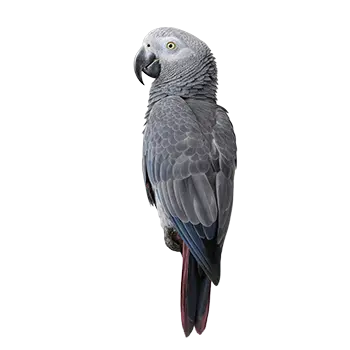

Daily Care and Routine

An adult Timneh African Grey thrives on a structured daily routine that balances social interaction, mental stimulation, independent activity, and rest. These birds are creatures of habit, and predictability in their daily schedule provides the emotional security that allows them to express their best behaviors and deepest personalities. A well-established routine reduces stress-related problems such as feather plucking, excessive vocalization, and aggression, while giving the bird a reliable framework within which it can anticipate and look forward to different parts of its day.

Mornings should begin with uncovering the cage at a consistent time and offering fresh water and breakfast. Many Timneh owners find that their bird is most interactive and talkative in the morning hours, making this an ideal time for direct engagement, conversation, and training sessions. After the morning activity period, the bird benefits from a stretch of supervised out-of-cage time in a bird-safe area where it can explore, climb, and exercise. The cage itself should be large enough for the bird to fully extend its wings in every direction and should include a variety of perches, toys, and foraging stations.

Afternoon hours can include a quieter period for rest or independent play. Many adult Timnehs appreciate a mid-afternoon nap, especially if their environment is kept on a natural light cycle. This rest period mirrors the behavioral pattern of wild African Greys, which typically reduce activity during the hottest part of the day. Respect the bird's need for downtime and avoid interrupting rest periods with loud activity or demands for interaction.

Evening time is often when the bond between a Timneh and its caregiver deepens most naturally. Sharing a meal, watching television together, or simply sitting in the same room while the bird preens and vocalizes softly creates a sense of companionship that these highly social birds crave. The cage should be covered at a consistent time each evening to provide ten to twelve hours of uninterrupted darkness for sleep. Adequate sleep is essential for immune function, hormonal regulation, and overall behavioral health. A bird that is chronically sleep-deprived will show irritability, hormonal imbalances, and increased susceptibility to illness.

Long-Term Nutrition

Nutrition for an adult Timneh African Grey is a matter of sustained consistency rather than dramatic adjustment. The dietary foundation established during the juvenile period should continue, with a high-quality formulated pellet comprising roughly fifty to sixty percent of the daily intake. However, the adult years present their own nutritional considerations, particularly around weight management, calcium metabolism, and the prevention of diet-related diseases that can develop insidiously over years of suboptimal feeding.

Adult Timnehs are somewhat less active than juveniles, and their caloric needs reflect this reduction. Monitor the bird's body condition regularly by gently feeling the keel bone, the prominent ridge running along the center of the breast. In a bird of healthy weight, the keel is palpable but flanked by firm muscle on either side. A keel that protrudes sharply with little muscle coverage indicates underweight, while a keel that is difficult to locate beneath thick tissue suggests obesity. Overweight parrots face increased risks of fatty liver disease, atherosclerosis, and reproductive complications.

Calcium supplementation and vitamin D3 access remain lifelong concerns for Timneh African Greys. The species is genetically predisposed to hypocalcemia, and even birds fed a well-formulated pellet diet can develop calcium deficiency if they are not receiving adequate UVB light exposure to synthesize vitamin D3, which is essential for calcium absorption from the gut. Provide a full-spectrum light source positioned within twelve to eighteen inches of a favored perch, operating on a timer that mimics a natural photoperiod. Direct, unfiltered sunlight through an open window or in a secure outdoor enclosure is even more effective, though glass and plastic filter out the UVB wavelengths the bird needs.

Fresh foods should continue to emphasize calcium-rich dark leafy greens, orange and yellow vegetables for beta-carotene, and a modest portion of fruits. Avoid falling into the trap of feeding a narrow range of favorites simply because the bird prefers them. Timnehs, like all parrots, can become fixated on specific foods and refuse anything unfamiliar if their diet is not kept varied from an early age. Introduce new foods regularly, presenting them in different forms, raw, steamed, chopped, whole, or mixed into familiar favorites, to encourage acceptance.

Avoid seed-based diets as a primary food source. While seeds are a natural component of wild parrot diets, captive birds that consume predominantly seeds develop chronic vitamin A deficiency, calcium-phosphorus imbalances, and excessive body fat. Seeds are best reserved as a small portion of foraging enrichment or as occasional training rewards. Nuts, particularly almonds, walnuts, and macadamias, offer healthy fats and serve as high-value treats but should be limited to a few per day to prevent excessive caloric intake.

Behavioral Enrichment

An adult Timneh African Grey possesses cognitive abilities that are frequently compared to those of a young child, and the enrichment demands of such intelligence cannot be met by a static cage with a handful of unchanging toys. Without adequate mental stimulation, adult Timnehs are at significant risk for developing behavioral disorders including feather-destructive behavior, stereotypic movements such as pacing or route tracing, excessive screaming, and self-mutilation. Enrichment is not a luxury. It is a fundamental requirement of responsible Timneh ownership.

Foraging remains the single most important enrichment strategy throughout the adult years. In their natural habitat, Timneh African Greys spend several hours each day locating, extracting, and processing food items from a varied landscape. Replicating this experience in captivity requires creativity and commitment. Wrap food items in paper, tuck them inside cardboard tubes, hide them in foraging boxes or puzzle feeders, or skewer fruits and vegetables on stainless steel foraging kabobs. The bird should work for at least a portion of its daily food intake rather than finding everything readily accessible in a dish.

Toy rotation is essential for maintaining novelty. Even the most engaging toy loses its appeal if it remains in the cage for weeks on end. Maintain a larger inventory of toys than what is in the cage at any given time, and rotate selections every three to five days. Include toys that address different behavioral drives: shredding toys for destructive chewing, puzzle toys for cognitive challenge, preening toys for tactile comfort, and noise-making toys for auditory stimulation. Observe which types of toys your Timneh gravitates toward and ensure those categories are always represented.

Social enrichment is equally vital. Timnehs are flock animals, and in captivity, the human family is the flock. Include the bird in family activities whenever safely possible. Position the cage or play stand in a common area where the bird can observe and participate in household life. Talk to the bird throughout the day, even when not directly interacting with it. Many Timnehs enjoy listening to music, podcasts, or audiobooks when their caregivers are away, and leaving these on during absences can reduce the sense of isolation.

Outdoor exposure in a secure cage, carrier, or aviary provides a dimension of enrichment that cannot be replicated indoors. The sights, sounds, and smells of the natural world stimulate the bird's senses in ways that a climate-controlled living room cannot. Birdsong, wind, the movement of leaves, and the warmth of natural sunlight all contribute to a richer sensory life. Ensure the outdoor enclosure is predator-proof, provides shade for retreat, and is never left unsupervised.

Speech and Cognitive Development

The adult Timneh African Grey is a vocal powerhouse. Many experienced parrot owners consider the Timneh to be a clearer, more consistent speaker than the larger Congo Grey, with a slightly higher-pitched voice and a tendency to begin speaking at a younger age. While vocal ability varies among individuals, an adult Timneh in a communicative household can develop a vocabulary of several hundred words and phrases, often used with impressive contextual accuracy.

Continued speech development in adulthood depends on consistent, meaningful interaction. Timnehs learn language most effectively when words are presented in context. Labeling actions, objects, people, and emotions during daily routines teaches the bird that language carries meaning and that using specific words produces specific outcomes. A Timneh that learns the word for a favorite treat and receives it upon request has grasped a fundamental principle of communication, not merely imitation.

Beyond speech, the adult Timneh's cognitive abilities extend into problem-solving, pattern recognition, and associative reasoning. Many adult Timnehs can learn to identify colors, shapes, and materials when taught through structured interaction. Training sessions that build on previously learned concepts keep the bird intellectually engaged and strengthen the caregiver-bird bond. Target training, trick training, and simple object-discrimination tasks are all within the capabilities of a motivated adult Timneh and provide mental exercise that is as important as physical activity.

Be aware that adult Timnehs also develop a sophisticated understanding of cause and effect in their social environment. A bird that learns that screaming produces attention will scream more, regardless of whether the attention is positive or negative. Similarly, a bird that discovers it can manipulate its caregiver's behavior through refusal, aggression, or charm will use those tools strategically. This is not malice. It is intelligence applied to social navigation. Understanding this dynamic helps caregivers respond thoughtfully rather than reactively, reinforcing desirable behaviors while avoiding inadvertent reinforcement of problematic ones.

Health Maintenance

Maintaining the health of an adult Timneh African Grey requires a partnership between an attentive caregiver and a qualified avian veterinarian. Adult Timnehs should receive a comprehensive veterinary examination at least once per year, and twice yearly for birds over fifteen years of age or those with known health conditions. These checkups provide an opportunity to detect emerging problems before they become serious and to adjust care protocols based on the bird's changing needs over its long life.

An annual exam should include a thorough physical assessment, a complete blood count, a basic chemistry panel including calcium and total protein levels, and a fecal gram stain and culture. Radiographic imaging may be recommended periodically to monitor organ health, particularly the liver, which is vulnerable to fatty infiltration in captive parrots. Depending on the bird's history and risk factors, the veterinarian may also screen for aspergillosis, chlamydiosis, and other infectious diseases.

Hypocalcemia remains a lifelong concern for Timneh African Greys and can present at any age. Signs range from subtle, such as mild muscle twitching or occasional loss of balance, to acute and life-threatening, including seizures and collapse. Regular monitoring of blood calcium levels during veterinary visits, combined with consistent dietary calcium and UVB light exposure at home, forms the cornerstone of prevention. If supplementation is recommended by your veterinarian, follow dosing instructions precisely, as excessive calcium can be as harmful as deficiency.

Respiratory health is another area requiring ongoing vigilance. Parrots in general, and African Greys in particular, have extremely sensitive respiratory systems. Avoid exposing the bird to aerosol sprays, scented candles, non-stick cookware fumes, tobacco smoke, and household cleaning products with strong chemical vapors. These substances can cause acute respiratory distress and, with chronic exposure, permanent lung damage. Maintain clean air quality through adequate ventilation and air filtration, and avoid positioning the bird's cage near the kitchen where cooking fumes accumulate.

At home, daily health monitoring includes observing droppings for changes in color, consistency, and volume, watching for any nasal or ocular discharge, listening for respiratory sounds such as clicking or wheezing, and noting any changes in appetite, energy level, or behavior. Parrots are prey animals that instinctively mask signs of illness, so subtle changes in routine behavior are often the earliest indicators that something is wrong. A bird that becomes unusually quiet, sleeps more than normal, sits on the cage floor, or fluffs its feathers persistently may be ill and should be seen by a veterinarian promptly.

Exercise and Physical Fitness

Physical fitness is a frequently overlooked component of adult Timneh African Grey care, yet it is essential for preventing obesity, maintaining cardiovascular health, preserving joint function, and supporting the bird's overall well-being. In the wild, Timneh African Greys fly, climb, and forage across substantial distances each day. In captivity, the burden of ensuring adequate physical activity falls entirely on the caregiver.

Flight, for birds that are fully flighted, is the most natural and effective form of exercise. If the household environment can be made safe for indoor flight, allowing the bird to fly between rooms or designated landing stations provides cardiovascular conditioning and muscular development that no other activity can match. Birds that have been wing-clipped can still benefit from vigorous flapping exercises performed while perched on a hand or a stand, though this does not fully replicate the aerobic benefits of sustained flight.

Climbing is another excellent form of exercise for Timnehs and can be encouraged through the use of climbing nets, rope ladders, and play gyms that present the bird with vertical and horizontal challenges. A well-designed play gym with multiple levels, swings, and hanging toys encourages the bird to move continuously, shifting its weight, balancing, and reaching in ways that engage the core, leg, and wing muscles. Place the play gym in a social area where the bird can exercise while remaining part of household activity.

Foraging itself serves as physical exercise when the bird must manipulate objects, tear apart containers, and move between foraging stations to access food. Spreading foraging opportunities across multiple locations within the cage and throughout the bird's out-of-cage area encourages movement and prevents the sedentary behavior that often develops when all food is presented in a single accessible dish.

Monitor the bird's weight monthly by recording its mass on a gram-accurate scale. Weight trends are more meaningful than any single measurement. A gradual upward trend may indicate overfeeding or insufficient exercise, while a downward trend warrants a veterinary check. The bird should be weighed at the same time of day, ideally in the morning before the first meal, to ensure consistent measurements. An adult Timneh in good condition typically weighs between 275 and 375 grams, though individual variation exists based on skeletal size and overall build.

Emotional Well-Being and Bonding

The emotional depth of an adult Timneh African Grey is one of the species' most compelling and most demanding characteristics. Timnehs form powerful bonds with their caregivers that can last for decades, and the quality of this relationship profoundly influences the bird's behavioral health, stress resilience, and overall quality of life. Caring for the emotional needs of a Timneh is not an optional dimension of ownership. It is as essential as nutrition and veterinary care.

Timnehs are generally more emotionally resilient and less prone to extreme one-person bonding than Congo Greys, but they are still sensitive birds that can develop deep attachment to a single individual if socialization is not maintained. Encourage the bird to interact positively with multiple family members by having different people share in feeding, training, and play activities. If the bird begins showing possessive or aggressive behavior toward one person while rejecting others, increase the rejected individuals' positive interactions with the bird, such as offering favorite treats or conducting short, rewarding training sessions, while temporarily reducing the intensity of the primary bond.

Change and disruption are significant stressors for adult Timnehs. Household moves, the introduction or departure of family members, schedule changes, and even rearranging furniture can trigger anxiety responses that manifest as feather plucking, vocalization changes, appetite loss, or aggression. When changes are unavoidable, introduce them gradually whenever possible. If a move is planned, bring familiar items such as the bird's cage, toys, and perches to the new location before the bird arrives, so that the space already contains known, comforting elements.

Recognize and respect the bird's emotional signals. A Timneh that pins its eyes rapidly, raises its nape feathers, and fans its tail is in an excited or agitated state and may bite if handled. A bird that leans away, narrows its body posture, or turns its head aside is communicating discomfort or a desire to be left alone. Learning to read and respond to these cues builds mutual trust and prevents the negative interactions that erode the bond over time.

Provide opportunities for the bird to experience positive emotions through play, discovery, and achievement. The satisfaction a Timneh shows when it solves a foraging puzzle, successfully learns a new word, or figures out how to open a new toy is palpable and contributes to a rich emotional life. These moments of engagement and accomplishment are the building blocks of a happy, well-adjusted companion parrot that remains a rewarding partner for decades.

Always consult a qualified professional before making any health-related decisions. This content is provided for informational reference only and should not replace professional guidance specific to your animal.