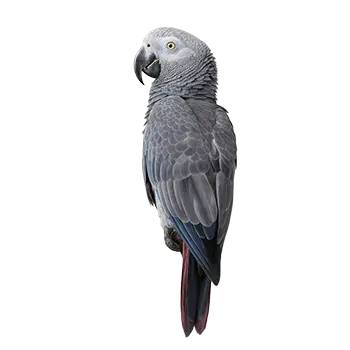

Timneh African Grey chicks hatch after an incubation period of approximately 26 to 28 days, emerging as tiny, nearly helpless creatures weighing between 10 and 13 grams. The Timneh is the smaller of the two recognized African Grey species, and its chicks reflect this from the moment they enter the world. Newly hatched Timnehs are covered in sparse, pale down, with closed eyes and oversized heads relative to their bodies. Their skin often has a slightly pinkish-grey hue, and their movements are limited to basic reflexive responses when touched or when they sense warmth nearby.
The first priority after hatching is ensuring the chick receives adequate warmth and its first nourishment. In a parent-raised clutch, the hen will typically begin feeding within several hours of the hatch. The initial feedings consist of crop secretions rich in proteins, fats, and beneficial microorganisms that seed the chick's gastrointestinal tract. For hand-reared chicks, the first feeding should be delayed until the yolk sac has been fully absorbed, which generally occurs between six and twelve hours after hatching. Offering food before full absorption can overwhelm the digestive system and lead to bacterial infection or yolk sac retention.
During these critical hours, the brooder must maintain a stable temperature between 95 and 98 degrees Fahrenheit. Timneh chicks are particularly vulnerable to temperature swings because of their small body mass, which provides less thermal buffering than larger parrot species enjoy. A reliable digital thermometer placed at chick level inside the brooder is essential. Humidity should be maintained between 55 and 65 percent to prevent dehydration of the delicate skin and to support the early stages of down development.
Close observation during the first day establishes the baseline you will reference throughout the rearing period. Note the chick's skin color, responsiveness to stimuli, breathing rate, and overall posture. A healthy Timneh newborn will display a feeding response when the area around its beak is gently stroked, and its breathing should be quiet and regular. Any gurgling, clicking, or wheezing sounds from the respiratory tract, or any failure to respond to feeding cues, should be treated as urgent and warrants immediate contact with an avian veterinarian experienced in psittacine neonatal care.