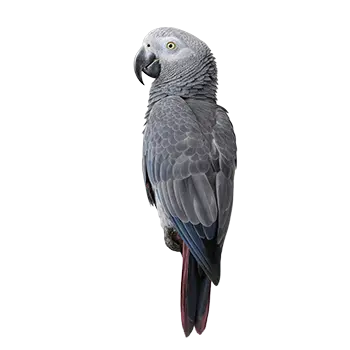
Timneh African Greys can be long-lived, hardy companions when provided with proper care, though they are susceptible to several health conditions that owners must monitor carefully. These intelligent parrots have specific nutritional and environmental requirements that, when unmet, can lead to both physical and psychological health problems.
Psittacosis, also known as parrot fever or chlamydiosis, is a bacterial infection caused by Chlamydia psittaci that can affect African Greys and is transmissible to humans. Symptoms include respiratory distress, lethargy, discharge from eyes or nostrils, and lime-green droppings. This condition requires immediate veterinary attention and antibiotic treatment. Aspergillosis, a fungal respiratory infection, is particularly concerning in African Greys and develops when birds inhale spores from moldy food, bedding, or environments with poor air quality.
Feather plucking and self-mutilation are significant behavioral health concerns in Timneh African Greys, often resulting from psychological stress, boredom, inadequate socialization, or underlying medical conditions. Once established, this destructive behavior can be extremely difficult to resolve and requires comprehensive evaluation of environmental, social, and medical factors. Psittacine Beak and Feather Disease (PBFD), caused by circovirus, is a fatal viral condition affecting feather and beak development that spreads through feather dust and droppings in aviaries and breeding facilities.
Calcium deficiency and hypocalcemia are common problems in African Greys, particularly those fed all-seed diets or lacking adequate vitamin D3 synthesis from UV lighting exposure. Symptoms include trembling, seizures, egg binding in females, and weakness. Fatty liver disease (hepatic lipidosis) develops gradually in birds consuming high-fat seed-based diets lacking vegetables and pellets, causing lethargy, difficulty breathing, and potentially fatal liver failure. Respiratory infections, often bacterial or fungal in origin, occur more frequently in birds kept in drafty, dusty, or poorly ventilated environments.
Proper preventive care is essential for maintaining the health of Timneh African Greys throughout their long lifespans. Regular veterinary checkups with an avian veterinarian should occur at least annually for wellness exams, including physical examination, weight monitoring, and potentially blood work to screen for organ function. Proper diet and nutrition form the foundation of disease prevention, with a varied diet of high-quality pellets, fresh vegetables, limited fruits, and appropriate supplements preventing most nutritional deficiencies. Environmental enrichment through varied toys, foraging opportunities, and social interaction prevents stress-related conditions including feather plucking and aggression. Cage cleanliness and regular disinfection of food bowls, perches, and toys prevent the growth of harmful bacteria and fungi. UV lighting or supervised outdoor exposure enables natural vitamin D3 synthesis crucial for calcium absorption and bone health.
With appropriate preventive care, varied diet, mental stimulation, and regular veterinary oversight, Timneh African Greys regularly live 40-60 years in captivity, with some individuals reaching 70 years or more. The key to longevity is consistency in care, early detection of health issues through observation of behavior and droppings, and prompt veterinary intervention when problems arise.
Timneh African Greys can be long-lived, hardy companions when provided with proper care, though they are susceptible to several health conditions that owners must monitor carefully. These intelligent parrots have specific nutritional and environmental requirements that, when unmet, can lead to both physical and psychological health problems.
Psittacosis, also known as parrot fever or chlamydiosis, is a bacterial infection caused by Chlamydia psittaci that can affect African Greys and is transmissible to humans. Symptoms include respiratory distress, lethargy, discharge from eyes or nostrils, and lime-green droppings. This condition requires immediate veterinary attention and antibiotic treatment. Aspergillosis, a fungal respiratory infection, is particularly concerning in African Greys and develops when birds inhale spores from moldy food, bedding, or environments with poor air quality.
Feather plucking and self-mutilation are significant behavioral health concerns in Timneh African Greys, often resulting from psychological stress, boredom, inadequate socialization, or underlying medical conditions. Once established, this destructive behavior can be extremely difficult to resolve and requires comprehensive evaluation of environmental, social, and medical factors. Psittacine Beak and Feather Disease (PBFD), caused by circovirus, is a fatal viral condition affecting feather and beak development that spreads through feather dust and droppings in aviaries and breeding facilities.
Calcium deficiency and hypocalcemia are common problems in African Greys, particularly those fed all-seed diets or lacking adequate vitamin D3 synthesis from UV lighting exposure. Symptoms include trembling, seizures, egg binding in females, and weakness. Fatty liver disease (hepatic lipidosis) develops gradually in birds consuming high-fat seed-based diets lacking vegetables and pellets, causing lethargy, difficulty breathing, and potentially fatal liver failure. Respiratory infections, often bacterial or fungal in origin, occur more frequently in birds kept in drafty, dusty, or poorly ventilated environments.
Proper preventive care is essential for maintaining the health of Timneh African Greys throughout their long lifespans. Regular veterinary checkups with an avian veterinarian should occur at least annually for wellness exams, including physical examination, weight monitoring, and potentially blood work to screen for organ function. Proper diet and nutrition form the foundation of disease prevention, with a varied diet of high-quality pellets, fresh vegetables, limited fruits, and appropriate supplements preventing most nutritional deficiencies. Environmental enrichment through varied toys, foraging opportunities, and social interaction prevents stress-related conditions including feather plucking and aggression. Cage cleanliness and regular disinfection of food bowls, perches, and toys prevent the growth of harmful bacteria and fungi. UV lighting or supervised outdoor exposure enables natural vitamin D3 synthesis crucial for calcium absorption and bone health.
With appropriate preventive care, varied diet, mental stimulation, and regular veterinary oversight, Timneh African Greys regularly live 40-60 years in captivity, with some individuals reaching 70 years or more. The key to longevity is consistency in care, early detection of health issues through observation of behavior and droppings, and prompt veterinary intervention when problems arise.
Common Health Issues
- Psittacosis, also known as parrot fever or chlamydiosis - Is a bacterial infection caused by Chlamydia psittaci that can affect African Greys and is transmissible to humans.
- Symptoms include respiratory distress - Lethargy, discharge from eyes or nostrils, and lime-green droppings.
- Aspergillosis, a fungal respiratory infection - Is particularly concerning in African Greys and develops when birds inhale spores from moldy food, bedding, or environments with poor air quality.
- Feather plucking and self-mutilation are significant behavioral health concerns in Timneh African Greys - Often resulting from psychological stress, boredom, inadequate socialization, or underlying medical conditions.
- Psittacine Beak and Feather Disease - PBFD, , caused by circovirus, is a fatal viral condition affecting feather and beak development that spreads through feather dust and droppings in aviaries and breeding facilities.
- Symptoms include trembling - Seizures, egg binding in females, and weakness.
- Fatty liver disease - Hepatic lipidosis, develops gradually in birds consuming high-fat seed-based diets lacking vegetables and pellets, causing lethargy, difficulty breathing, and potentially fatal liver failure.
- Respiratory infections - Often bacterial or fungal in origin, occur more frequently in birds kept in drafty, dusty, or poorly ventilated environments.
Preventive Care & Health Monitoring
- These intelligent parrots have specific nutritional and environmental requirements that - When unmet, can lead to both physical and psychological health problems.
- Calcium deficiency and hypocalcemia are common problems in African Greys - Particularly those fed all-seed diets or lacking adequate vitamin D3 synthesis from UV lighting exposure.
- Regular veterinary checkups with an avian veterinarian should occur at least annually for wellness exams - Including physical examination, weight monitoring, and potentially blood work to screen for organ function.
- Proper diet and nutrition form the foundation of disease prevention - With a varied diet of high-quality pellets, fresh vegetables, limited fruits, and appropriate supplements preventing most nutritional deficiencies.
- Environmental enrichment through varied toys - Foraging opportunities, and social interaction prevents stress-related conditions including feather plucking and aggression.
- Cage cleanliness and regular disinfection of food bowls - Perches, and toys prevent the growth of harmful bacteria and fungi.