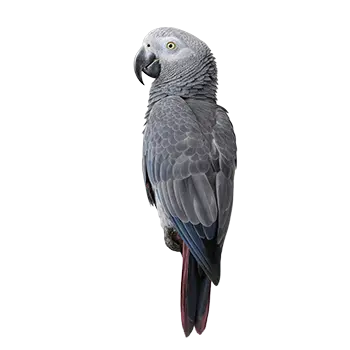

Breeding Readiness and Sexual Maturity

Timneh African Greys reach sexual maturity later than many parrot species, with most birds becoming physiologically capable of reproduction between three and five years of age. However, physiological maturity does not equate to breeding readiness. A bird that is physically able to reproduce may not be psychologically mature enough to handle the demands of pair bonding, nest defense, incubation, and chick rearing. Experienced breeders generally recommend waiting until birds are at least four to five years old before introducing them into a breeding program, as younger birds have higher rates of egg abandonment, aggressive behavior toward mates, and poor parenting performance.

Sexual maturity in Timnehs can be difficult to determine visually because the species is not sexually dimorphic. Males and females look virtually identical in plumage, size, and body conformation. DNA sexing through a blood sample or feather sample is the standard method for confirming sex, and it should be performed well before any pairing attempt. Surgical sexing via endoscopy is less commonly used today but may be employed by veterinarians who also want to visually inspect the reproductive organs for abnormalities.

Behavioral signs of sexual maturity include increased territorial behavior, regurgitation directed at a favored person or object, masturbatory behavior such as rubbing the vent area against perches or toys, heightened vocalization, and, in some hens, a noticeable widening of the pelvic bones. These behaviors often intensify during the breeding season, which for Timnehs in captivity can be stimulated by photoperiod changes, dietary richness, and the presence of a potential mate. In the wild, Timneh African Greys native to the forests of West Africa breed primarily during the dry season, but captive birds may cycle at different times depending on environmental cues.

Before entering any bird into a breeding program, a thorough pre-breeding veterinary examination is essential. Both the prospective hen and cock should receive a complete physical exam, blood work including a full chemistry panel and complete blood count, screening for Psittacine Beak and Feather Disease, Polyomavirus, and Chlamydia psittaci, and fecal analysis. Only healthy, disease-free birds should be bred, both to protect the breeding pair and to ensure the health of any offspring produced.

Pair Bonding and Compatibility

Successful Timneh African Grey breeding begins with a compatible pair, and compatibility is far more than simply placing a male and female in the same enclosure. African Greys are monogamous in the wild, forming long-term pair bonds that involve mutual preening, coordinated vocalizations, shared feeding, and cooperative nest defense. In captivity, replicating the conditions that allow a genuine bond to develop requires patience, observation, and a willingness to accept that not every pairing will work.

The introduction process should be gradual and carefully managed. Begin by housing the two birds in separate cages placed within visual and auditory range of each other. This allows them to become familiar with each other's presence, vocalizations, and body language without the stress and risk of physical confrontation. Observe their reactions over a period of weeks. Positive indicators include mutual interest, mirroring of movements, synchronized vocalizations, and calm body posture when near each other. Negative indicators include persistent aggression, fear responses, or complete indifference.

If initial observations are positive, progress to supervised shared time in a neutral space, neither bird's established cage. A large play area or a new enclosure that neither bird has claimed as territory works well. Watch closely for aggression, particularly from the cock, which may occur even after weeks of peaceful cohabitation through cage bars. African Greys can inflict serious injuries with their powerful beaks, and a single aggressive encounter can permanently damage the pair's relationship. If aggression occurs, separate the birds immediately and return to the side-by-side cage arrangement for additional weeks before attempting another introduction.

Once the pair is cohabiting peacefully, look for signs that a genuine bond is forming. Mutual preening, particularly around the head and neck where a bird cannot reach itself, is one of the strongest indicators of pair bonding. Shared feeding, where one bird regurgitates food for the other, signals a deepening attachment. The pair may begin spending the majority of their time in close physical proximity, resting side by side and coordinating their daily activities. This bonding process can take months, and some pairs require a year or more before they progress to breeding behavior.

Not every genetically compatible pair will form a productive bond. Some birds simply do not like each other, and no amount of time or environmental manipulation will change this. If a pair shows persistent aggression, fear, or complete disengagement after several months of careful introduction, it is better to separate them and try different pairings than to force a relationship that causes chronic stress.

Nesting Requirements

Providing appropriate nesting conditions is a prerequisite for successful Timneh African Grey breeding. The nest box serves as the center of the breeding pair's world during the reproductive cycle, and its design, placement, and maintenance directly influence whether the pair will lay, incubate successfully, and rear chicks to independence. A poorly designed or improperly placed nest box can discourage breeding entirely or contribute to egg breakage, chick mortality, and parental stress.

The nest box for Timneh African Greys should be constructed of sturdy, untreated hardwood and sized appropriately for the species. A box with interior dimensions of approximately twelve inches wide by twelve inches deep by eighteen to twenty-four inches tall provides adequate space for the hen to sit comfortably on eggs while allowing room for chicks to grow during their early weeks. The entrance hole should be approximately four inches in diameter, large enough for the birds to pass through easily but small enough to provide a sense of security inside. An inspection door or removable panel on the side or back of the box allows the breeder to monitor eggs and chicks without disturbing the pair from the front.

Placement of the nest box matters significantly. Mount it high in the breeding enclosure, as Timneh African Greys prefer elevated nesting sites that provide a sense of security. The box should be positioned in a quiet, dimly lit area of the aviary or breeding room, away from heavy foot traffic, loud equipment, and direct sunlight. Excessive disturbance near the nest is one of the most common causes of egg abandonment and parental aggression in African Greys.

Line the bottom of the nest box with a layer of clean, untreated wood shavings, such as pine or aspen, to a depth of approximately two to three inches. The hen will typically rearrange this bedding to create a depression for the eggs. Avoid cedar shavings, which release aromatic oils that can irritate the respiratory tracts of both the adult birds and developing embryos within the eggs. Some breeders add a concave insert or shallow bowl beneath the shavings to prevent eggs from rolling into corners where they cannot be properly incubated.

The breeding enclosure itself should be spacious enough to allow the pair to fly short distances and exercise, as the physical condition of both the hen and cock influences reproductive success. A flight cage or small aviary dedicated to the breeding pair, with appropriate perching, food and water stations, and bathing facilities, provides the best environment. Breeding pairs that are cramped in undersized cages often exhibit increased aggression, reduced fertility, and higher rates of egg binding.

The Breeding Cycle

The Timneh African Grey breeding cycle in captivity can be influenced by a combination of photoperiod, dietary triggers, environmental security, and the strength of the pair bond. In the wild, Timneh Greys breed during the dry season when food resources are abundant and weather conditions favor chick survival. Captive birds may not follow a strict seasonal pattern, but many breeders find that manipulating the photoperiod to simulate lengthening days, gradually increasing the light period from ten to twelve or thirteen hours per day, can stimulate breeding behavior.

Dietary preparation for breeding should begin several weeks before the anticipated breeding season. Increase the proportion of calcium-rich foods, protein sources such as cooked egg, sprouted legumes, and high-quality pellets, and fresh vegetables rich in vitamins A and E, which support reproductive health and embryonic development. The hen's calcium reserves are critical because eggshell formation draws heavily on her skeletal calcium stores. A hen entering the breeding season with depleted calcium is at elevated risk for egg binding, soft-shelled eggs, and hypocalcemic seizures.

Courtship behavior in Timneh African Greys includes increased vocalization between the pair, mutual feeding, wing-drooping displays by the cock, and solicitation postures by the hen. The cock may perform a distinctive strutting display with slightly raised wings and fanned tail feathers while vocalizing in a rhythmic pattern. The hen signals receptivity by crouching low on the perch with her tail raised and wings slightly away from her body. Copulation is typically brief and may occur multiple times per day in the days leading up to egg laying.

The hen will begin spending increasing amounts of time inside the nest box as egg laying approaches, inspecting and rearranging the bedding to her satisfaction. She may become more aggressive toward the breeder during this period, lunging or biting when the nest box is approached. Respect this territorial behavior as a natural and healthy sign that the hen is preparing to lay. Minimize disturbances near the nest and limit inspections to brief, necessary checks that can be performed quickly through the inspection door.

Once the pair has initiated the breeding cycle, maintain environmental stability. Avoid rearranging the breeding room, introducing new birds or animals into the vicinity, or making sudden changes to the light cycle or daily routine. African Greys are sensitive to disruption, and any significant change during the critical period between courtship and hatching can cause the pair to abandon the clutch.

Egg Laying and Incubation

A Timneh African Grey hen typically lays a clutch of two to four eggs, with three being the most common number. Eggs are laid at intervals of approximately two to three days, and the hen may begin incubating after the first or second egg is laid, which means chicks within the same clutch may hatch on different days. This staggered hatching creates a size disparity among siblings that the breeder should be aware of, as the youngest and smallest chick may be outcompeted for food by its larger, older nestmates.

Timneh African Grey eggs are white, oval, and approximately 38 to 40 millimeters in length. The eggshell should feel smooth and firm to the touch. Thin-shelled, rough-textured, or misshapen eggs may indicate calcium deficiency or reproductive tract abnormalities in the hen. If such eggs are produced, consult with your avian veterinarian before allowing the hen to attempt another clutch. Chronically poor shell quality can escalate to egg binding, a life-threatening emergency in which a fully formed egg becomes lodged in the oviduct.

Incubation is performed primarily by the hen, though the cock may sit on the eggs for brief periods to allow the hen to eat, drink, and defecate outside the nest. The total incubation period is approximately 26 to 28 days from the onset of consistent sitting. Candling the eggs at seven to ten days of incubation can help determine fertility. A fertile, developing egg will show visible blood vessels and a dark embryonic mass when held against a bright, focused light source in a darkened room. Infertile eggs will remain uniformly clear or show only a faint shadow. Remove confirmed infertile eggs to reduce the hen's incubation burden and allow her to focus her energy on viable eggs.

Maintain careful environmental conditions in the breeding room during incubation. Ambient temperature should be kept between 72 and 80 degrees Fahrenheit, and humidity in the range of 50 to 60 percent supports proper moisture exchange through the eggshell pores. Excessive dryness can cause the egg membranes to toughen, making it difficult for the chick to pip and hatch. Excessive humidity can promote bacterial growth on the shell surface and contribute to embryonic death.

As the incubation period nears its end, listen for faint tapping and peeping sounds from within the eggs, which indicate that the chick is beginning to pip. The hatching process can take twelve to forty-eight hours from the first pip to full emergence, and it is critical not to assist unless the chick is clearly in distress and unable to progress. Premature intervention can cause hemorrhaging from yolk sac vessels that have not yet been fully absorbed. If you suspect a chick is stuck, consult your avian veterinarian before intervening.

Chick Rearing Decisions

One of the most important decisions a Timneh African Grey breeder faces is whether to allow the parent birds to raise the chicks, to hand-rear the chicks from hatching, or to employ a co-parenting strategy in which the parents raise the chicks for the first several weeks before the breeder takes over for the final stages of rearing and socialization. Each approach has distinct advantages and trade-offs, and the best choice depends on the breeder's goals, experience level, and the temperament of the parent birds.

Parent-rearing produces chicks that benefit from the natural feeding rhythms, warmth, and social instruction that only the adult birds can provide. Parent-raised chicks receive crop secretions and feeding patterns that closely match the species' evolutionary biology, and they learn critical avian social cues, body language, and flock behaviors from their parents. The primary disadvantage of full parent-rearing for companion bird production is that chicks raised exclusively by their parents may not develop the ease and comfort with humans that a pet owner expects. Without deliberate daily handling by the breeder, parent-raised chicks can become difficult to socialize once they leave the nest.

Hand-rearing from hatching or from a few days of age produces chicks that are deeply bonded to humans and typically very comfortable with handling, new environments, and domestic life. However, hand-rearing is labor-intensive, requiring round-the-clock feedings during the first weeks, meticulous hygiene, and close monitoring of growth and health. It also carries the risk of producing a bird that lacks normal avian social skills, which can lead to behavioral issues later in life, particularly if the bird is ever introduced to other parrots. Hand-reared birds that have no experience with their own species may display inappropriate social behavior, excessive dependency on humans, or difficulty adapting to avian companionship.

The co-parenting approach attempts to capture the best of both methods. The parents raise the chicks through the first two to four weeks, providing the natural nutrition, warmth, and avian socialization that this period demands. The breeder then pulls the chicks for hand-feeding and socialization during the remaining weeks before weaning. This strategy gives the chicks the biological advantages of parental care while ensuring they develop the human comfort and handling tolerance that companion bird buyers expect. The timing of the pull is important. Chicks pulled too early may not have received sufficient immune-system-supporting crop secretions, while those pulled too late may be more resistant to the transition and harder to hand-tame.

Regardless of the rearing method chosen, meticulous record-keeping is essential. Track each chick's daily weight, feeding volumes and schedules, crop emptying times, droppings quality, and developmental milestones. These records serve as diagnostic tools if a health concern arises and provide valuable data for refining breeding and rearing protocols over time.

Breeding Health and Complications

Breeding places significant physiological demands on both the hen and the cock Timneh African Grey, and an awareness of potential complications allows breeders to intervene early when problems arise. The hen bears the greater reproductive burden, including the metabolic cost of egg formation, the physical demands of incubation, and the nutritional output of feeding chicks. However, the cock also experiences stress from territorial defense, increased activity, and, if he participates in chick feeding, the energetic cost of regurgitating food multiple times daily.

Egg binding is the most serious acute reproductive emergency in breeding hens. It occurs when a fully formed or partially formed egg becomes lodged in the oviduct and the hen cannot expel it. Signs include straining, tail pumping, sitting on the cage floor in a wide-legged stance, fluffed feathers, lethargy, and a visibly distended abdomen. Egg binding is a life-threatening condition that requires immediate veterinary intervention. Risk factors include calcium deficiency, obesity, cold environmental temperatures during egg production, first-time laying, and chronic reproductive activity without adequate rest periods between clutches.

Chronic egg laying in hens that are not being intentionally bred is a related concern. Some Timneh hens, particularly those bonded to a human caregiver, may produce eggs continuously regardless of the absence of a mate. Each egg depletes the hen's calcium reserves, protein stores, and overall physical condition. Strategies for discouraging chronic laying include reducing the photoperiod to ten hours or less of light per day, removing potential nesting sites, rearranging the cage environment to reduce territorial security, and adjusting the diet to reduce high-fat and high-calorie foods that stimulate reproductive hormones. In persistent cases, a veterinarian may recommend hormonal intervention.

Infertility can be a frustrating challenge for breeders. Causes in the cock include low sperm count, poor sperm motility, reproductive tract infections, and age-related decline. Causes in the hen include oviduct scarring from previous infections or egg binding, chronic reproductive disease, nutritional deficiency, and obesity. If a bonded pair fails to produce fertile eggs over two or more consecutive clutches, a thorough reproductive workup of both birds is warranted. This may include cloacal cultures, semen evaluation in the cock if the veterinarian has the expertise, hormonal assays, and imaging of the reproductive tract.

Limit breeding pairs to no more than two clutches per year, and many experienced breeders recommend only one clutch annually. Each reproductive cycle takes a significant toll on the hen's body, and insufficient recovery time between clutches leads to progressive calcium depletion, muscle wasting, immune suppression, and reduced chick viability. After each clutch is weaned, remove the nest box and return the pair to a maintenance diet and light cycle for several months before considering another breeding attempt.

Always consult a qualified professional before making any health-related decisions. This content is provided for informational reference only and should not replace professional guidance specific to your animal.