
Understanding Life Expectancy

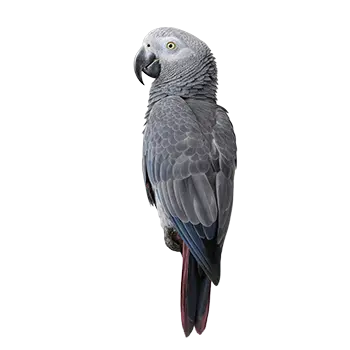
The Timneh African Grey is a long-lived parrot species with a potential lifespan of forty to fifty years in well-managed captive conditions, though some individuals have been documented living beyond this range. This remarkable longevity means that many Timneh caregivers will share decades with their bird, forming a bond of unusual depth and duration. It also means that the end-of-life period, when it comes, follows a relationship that has often spanned a significant portion of the caregiver's own life, giving the experience an emotional weight that few other companion animal relationships match.

Lifespan in captive Timnehs is influenced by a complex interplay of genetics, lifetime nutrition, veterinary care quality, environmental conditions, and psychological well-being. A bird that has received consistent, high-quality care throughout its life may reach the upper boundaries of the species' lifespan with relatively good health. Conversely, birds with histories of poor nutrition, chronic stress, untreated illness, or neglect may develop life-limiting conditions well before the expected end of their natural span. Understanding the factors that have shaped your individual bird's health trajectory helps frame realistic expectations for its remaining years.

Age-related decline does not follow a single predictable pattern. Some Timnehs maintain strong health and activity levels well into their thirties or forties before declining relatively quickly, while others experience a gradual, years-long diminishment of function. The onset of terminal or life-limiting illness can occur at any age, though it becomes increasingly common as the bird enters its thirties and beyond. Diseases such as advanced atherosclerosis, renal failure, hepatic disease, and neoplasia are among the conditions most likely to bring a Timneh's life to its natural end.

Acknowledging the finite nature of your bird's life, while it is still healthy, is not morbid but practical. It allows time to establish a relationship with a veterinarian who is experienced in avian palliative and end-of-life care, to discuss your values and wishes regarding end-of-life interventions, and to begin the emotional preparation that makes the eventual loss more bearable. The goal is not to dwell on the end but to ensure that when it comes, you and your bird are supported by a plan grounded in compassion and forethought.

Recognizing Terminal Decline

Identifying the transition from manageable chronic illness to terminal decline in a Timneh African Grey requires both objective clinical information and the subjective knowledge that comes from years of living with the bird. There is no single test or marker that definitively signals the beginning of the end. Instead, it is usually a constellation of changes observed over weeks or months that, taken together, paint a picture of a body that is no longer responding to supportive care or that is deteriorating despite ongoing treatment.

Persistent weight loss that does not respond to dietary adjustment or veterinary intervention is one of the most significant indicators of terminal decline. A bird that continues to lose weight despite eating adequately, or that can no longer maintain its appetite at all, may be experiencing organ failure, advanced neoplasia, or systemic infection that has exceeded the body's capacity to compensate. Muscle wasting along the keel becomes pronounced, and the bird may feel noticeably lighter and more fragile when handled.

Behavioral withdrawal is another common feature of terminal decline. A Timneh that was once interactive, vocal, and engaged may become increasingly quiet, spending most of its time on a single perch with little interest in food, toys, or social interaction. The bird may stop preening, leading to a disheveled or unkempt appearance. It may become less responsive to familiar voices or routines that previously elicited excitement or engagement. Some birds seek increased physical contact with their caregiver during this period, while others prefer solitude. Both responses are normal and should be respected.

Physical symptoms of advanced decline can include labored or open-mouth breathing, significant changes in droppings such as the absence of formed fecal matter or the presence of blood, loss of coordination or balance, inability to grip a perch, and episodes of collapse or seizure activity. These symptoms indicate that one or more organ systems are failing and that the bird's quality of life is compromised. At this stage, a candid conversation with your avian veterinarian about the bird's prognosis and the available options is essential.

Palliative and Hospice Care

Palliative care for a terminally ill Timneh African Grey focuses on maximizing comfort and quality of life rather than pursuing curative treatment. This approach becomes appropriate when a disease process has been determined to be irreversible and when further aggressive treatment would cause more suffering than benefit. The transition from curative to palliative care is not an admission of defeat. It is a redirection of effort toward the bird's comfort and dignity during its remaining time.

Environmental modifications are the foundation of hospice care. Move the bird's cage to a warm, quiet, draft-free area where it can rest undisturbed while still being near its family. Lower all perches so that the bird does not need to climb to reach its resting spot, and provide a padded, flat platform perch or a shallow, towel-lined basket at the cage floor for birds that can no longer grip a traditional perch. Ensure food and water are placed within easy reach, requiring minimal effort to access.

Nutritional support during hospice care may need to shift from the bird's standard diet to whatever the bird is willing and able to eat. This is not the time to enforce dietary rules. If the bird prefers a favorite food that would not normally be offered in large quantities, such as sunflower seeds or a particular fruit, providing it brings comfort and caloric support. If the bird is no longer eating voluntarily, discuss assisted feeding options with your veterinarian, including syringe-feeding soft foods or critical-care formulas. However, weigh the benefit of additional nutrition against the stress that forced feeding imposes on a bird that is already compromised.

Maintain a calm, predictable routine around the bird. Speak in quiet, soothing tones, and minimize disruptions to its environment. Many caregivers find that simply sitting near the bird, offering gentle contact, and maintaining the soft background sounds of normal household life provides meaningful comfort. The bird's sensory world is narrowing, and the familiar presence of its person becomes an anchor during a confusing and uncomfortable time.

Keep a daily hospice journal recording the bird's food intake, droppings quality, activity level, comfort indicators, and any new symptoms. This record helps track the trajectory of decline, provides valuable information for veterinary consultations, and, importantly, creates a factual basis for the difficult decisions that may lie ahead. Objective documentation helps counterbalance the emotional difficulty of assessing quality of life in a beloved companion.

Pain Management and Comfort Measures

Pain management in avian patients is a rapidly evolving area of veterinary medicine, and the tools available today are significantly more sophisticated than those of even a decade ago. Birds, however, remain notoriously difficult to assess for pain because their prey-animal instincts drive them to conceal discomfort until it becomes severe. A Timneh African Grey in pain may show subtle signs such as a hunched posture, partially closed or squinted eyes, reluctance to move, reduced vocalization, feather ruffling over a specific body area, or a sudden increase in aggression when touched in a particular spot.

Work closely with your avian veterinarian to develop a pain management protocol tailored to your bird's specific condition. Nonsteroidal anti-inflammatory drugs such as meloxicam are commonly used in avian patients and can be effective for musculoskeletal pain, inflammatory conditions, and general discomfort. Dosing must be precise and based on the bird's current weight, as the margin between a therapeutic and a toxic dose is narrow in small-bodied species. Never administer human pain medications to a bird without explicit veterinary guidance, as many common analgesics, including acetaminophen and ibuprofen, are highly toxic to avian species.

For more severe pain, veterinarians may prescribe opioid-based medications such as butorphanol or tramadol, or gabapentin for neuropathic pain conditions. These medications require careful monitoring for side effects including sedation, appetite suppression, and gastrointestinal disturbance. Regular follow-up appointments during pain management allow the veterinarian to adjust dosages based on the bird's response and to reassess the overall treatment plan.

Non-pharmacological comfort measures complement medical pain management. Gentle warmth from a ceramic heat emitter or a thermostatically controlled heating pad placed outside the cage can ease muscle tension and improve circulation. Soft lighting reduces visual stress. A quiet environment minimizes startle responses that can cause a painful bird to tense its muscles reflexively. If the bird enjoys physical contact, gentle, slow stroking along the head and neck can provide comfort through the release of endorphins associated with social bonding.

The goal of pain management in a hospice context is not to eliminate all discomfort, which may not be achievable, but to reduce suffering to a level where the bird can rest comfortably, eat if it chooses, and experience moments of peace and connection with its caregiver. When pain can no longer be adequately controlled despite appropriate medical intervention, the question of euthanasia becomes a compassionate consideration.

The Emotional Impact on Caregivers

The bond between a Timneh African Grey and its caregiver is often one of the most profound interspecies relationships a person will experience. Timnehs are not passive pets. They are interactive, communicative, emotionally complex beings that participate actively in their relationships with their humans. When a Timneh approaches the end of its life, the caregiver is losing not merely an animal but a companion who has shared daily routines, learned names, expressed preferences, responded to moods, and occupied a unique role within the household for years or decades.

Anticipatory grief, the mourning that begins before the actual loss, is a common and entirely normal response when caring for a terminally ill parrot. Caregivers may experience sadness, anxiety, guilt about past care decisions, helplessness in the face of the bird's suffering, and dread of the approaching end. These emotions can be intensified by the knowledge that the bond being lost was decades in the making and is irreplaceable. Allow yourself to feel these emotions without judgment, and seek support from people who understand the significance of the human-parrot bond.

The experience of caring for a dying bird can be isolating, particularly because the depth of grief over a parrot's death is not always understood or validated by the broader culture. Friends and family who have not lived with a companion parrot may struggle to comprehend why the loss feels so devastating. Online communities of parrot owners, avian rescue organizations, and pet loss support groups provide spaces where this grief is understood and honored. Some areas also have pet loss counselors or grief therapists who specialize in the bereavement that follows the death of a companion animal.

If there are other birds in the household, be aware that they may also be affected by the illness and eventual loss of a flock member. Parrots are social animals that form bonds with their avian companions, and the remaining birds may exhibit behavioral changes such as increased vocalization, appetite changes, or searching behavior after the death of a cage mate. Maintain routines, provide extra social interaction, and monitor the surviving birds for signs of stress or depression in the weeks following the loss.

Making End-of-Life Decisions

The decision to pursue euthanasia for a beloved Timneh African Grey is among the most difficult a caregiver will ever face, and it is also one of the most compassionate acts of care that a responsible owner can provide. Euthanasia, when chosen at the right time and for the right reasons, prevents unnecessary suffering and allows the bird to pass peacefully rather than enduring a prolonged, painful decline. Understanding the decision-making process and the procedure itself can help caregivers approach this moment with clarity and courage.

Quality-of-life assessment tools can provide a structured framework for a decision that often feels overwhelmingly emotional. Consider the bird's ability to eat and drink independently, its freedom from unmanageable pain, its capacity for movement and normal posture, its interest in social interaction and environmental engagement, and the overall trajectory of its condition. If the bird is experiencing more bad days than good, if its suffering can no longer be meaningfully alleviated, or if it has lost the ability to engage in any of the behaviors that defined its life, euthanasia becomes a humane and loving option.

Discuss the decision openly and thoroughly with your avian veterinarian, who can provide an objective medical perspective on the bird's prognosis and comfort level. A veterinarian who has cared for the bird over time brings the advantage of familiarity with its baseline health and personality, making their assessment of the bird's current state especially valuable. If you are uncertain, ask the veterinarian to be frank about whether they would recommend euthanasia if it were their own bird.

The euthanasia procedure itself, when performed by an experienced avian veterinarian, is rapid and humane. The bird is typically sedated first with an injectable or inhalant anesthetic to eliminate awareness and distress before an overdose of a barbiturate solution is administered intravenously. The entire process takes only minutes, and the bird experiences no pain. Many veterinarians will allow the caregiver to hold the bird during the procedure if desired, and some offer the option of performing euthanasia at home to minimize the stress of a final veterinary visit.

There is no universally correct timing for this decision. Choosing euthanasia one day too early is, by almost any ethical reckoning, preferable to choosing it one day too late. A bird that has passed its point of comfort cannot benefit from the extra time, while a bird that is euthanized before reaching that point is spared the suffering it would otherwise endure. Trust your knowledge of your bird, the guidance of your veterinarian, and your own moral compass.

After Loss and Moving Forward

The period following the death of a Timneh African Grey is one of grief, adjustment, and, eventually, healing. The depth and duration of mourning vary among individuals, and there is no correct timeline for processing the loss. A bird that was part of daily life for twenty, thirty, or more years leaves a void that is felt in countless small moments, the morning uncovering of the cage, the familiar greeting call, the weight of the bird on a shoulder, the nightly routine of covering and saying goodnight.

Practical matters require attention in the days following the bird's death, and attending to them can provide a sense of structure during a disorienting time. Decide whether you would like the bird's remains cremated, buried, or handled in another way. Some owners find comfort in private or communal cremation services that allow them to keep the ashes. Others prefer burial in a meaningful location. Your veterinarian or a local pet aftercare service can provide options and guidance.

Memorialization takes many forms, and there is no right or wrong way to honor your bird's memory. Some caregivers frame a favorite photograph, plant a tree or garden in the bird's name, commission a portrait, or donate to an avian rescue organization in the bird's honor. Others find comfort in writing about their bird, recording memories and stories that capture the personality and quirks that made the individual irreplaceable. The act of memorialization serves not only to honor the bird but to affirm the significance of the relationship and the grief that follows its end.

The question of whether to welcome another bird into the household is deeply personal and should not be rushed. Some caregivers find that a new bird helps fill the silence and provides a renewed sense of purpose. Others need months or years before they feel ready, and some choose not to have another bird at all. None of these responses is more valid than another. If you do decide to welcome a new parrot, understand that it will be its own individual with its own personality, not a replacement for the bird you lost. Allow the new relationship to develop on its own terms.

Reflect on the years you shared with your Timneh African Grey not only as a loss but as an extraordinary privilege. The opportunity to live alongside one of the most intelligent and emotionally complex creatures on the planet, to learn its language and teach it yours, to witness its development over decades and earn its trust, is rare and precious. The grief you feel is proportional to the love you shared, and both are testaments to a bond that enriched your life in ways that will endure long after the bird is gone.

Always consult a qualified professional before making any health-related decisions. This content is provided for informational reference only and should not replace professional guidance specific to your animal.