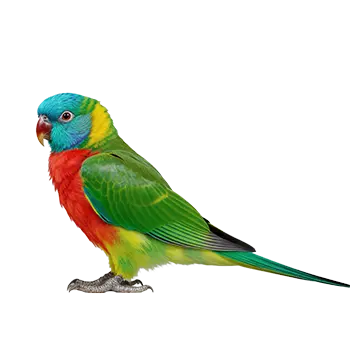

The juvenile stage of a Splendid Parakeet's life begins around four to five weeks of age, when the chick has developed enough plumage to leave the nest box, and extends through approximately six months as the bird matures toward independence. This period represents a dramatic transformation from a dependent, nest-bound chick into a fully feathered, increasingly self-sufficient young bird. Understanding the milestones and challenges of this stage allows caregivers to provide the support a juvenile Splendid Parakeet needs while encouraging the independence it must develop.
Fledging is the defining event that marks the beginning of the juvenile stage. Splendid Parakeet chicks typically make their first exit from the nest box between 28 and 35 days of age. The initial flights are clumsy and short, often ending in awkward landings on the aviary floor or on the sides of the enclosure. This is entirely normal, and the fledgling's coordination and confidence will improve rapidly over the following days. During this period, it is important that the aviary or flight space is free of hazards such as open water containers deep enough to drown in, gaps where a disoriented fledgling could become trapped, and aggressive cage mates that might injure a vulnerable young bird.
Juvenile Splendid Parakeets are visually distinct from adults. Both sexes display muted, washed-out versions of adult plumage during the juvenile phase. Young males lack the vivid cobalt face and scarlet chest band that characterize mature males, instead showing dull greenish-blue tones on the face and little to no red on the breast. Young females are similarly subdued, with overall greener tones and minimal blue. This juvenile plumage serves a purpose in the wild, providing camouflage and reducing aggression from territorial adults. Full adult coloration develops gradually over the course of the first molt, which typically occurs between four and six months of age.
The juvenile stage is also a period of significant behavioral development. Young Splendid Parakeets are naturally curious and will spend much of their time exploring their environment, testing different perches, investigating food sources, and learning to interact with other birds. This exploratory drive is essential for cognitive development and should be encouraged through environmental enrichment rather than restricted out of excessive caution. Providing a variety of perches at different heights, natural branches for chewing, and safe foraging opportunities helps channel this developmental energy productively.