
Recognizing the Senior Stage

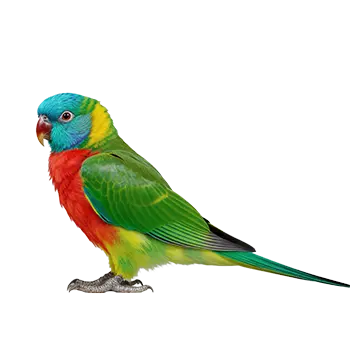
Splendid Parakeets typically enter the senior stage of life around seven to nine years of age, though the exact onset varies with genetics, lifelong care quality, and individual constitution. Unlike larger parrots that may live for decades, the relatively compact lifespan of the Splendid Parakeet means that age-related changes can appear and progress more quickly, making early recognition especially important. Understanding what to watch for allows caregivers to adapt their approach before minor declines become significant health problems.

The earliest signs of aging in a Splendid Parakeet are often subtle and easy to overlook. The bird may become slightly less active than it was during its prime years, spending more time resting on a favored perch and less time in vigorous flight. Activity levels that were once constant throughout the day may become concentrated in morning and late afternoon periods, with extended rest during midday. These behavioral shifts are a natural part of aging and do not necessarily indicate illness, but they do signal that the bird's metabolic capacity and physical reserves are beginning to diminish.

Physical changes accompanying aging include a gradual loss of muscle mass, particularly noticeable along the keel bone, which may become more prominent to the touch. The plumage may lose some of its luster, with feathers appearing slightly duller or less tightly held against the body. Molts may become longer and more stressful for the bird, with feather replacement proceeding more slowly than it did during the prime adult years. In some individuals, small changes in the texture or color of the beak, cere, or feet may be observed, reflecting shifts in keratin production and circulation.

Recognizing the senior stage is not about assigning a label of decline but about recalibrating care to meet the bird's evolving needs. A senior Splendid Parakeet can still lead an active, comfortable, and enriching life with appropriate adjustments to diet, housing, veterinary care, and daily management. The goal of geriatric care is to optimize quality of life at every point along the aging trajectory, preserving the bird's comfort, autonomy, and dignity.

Nutritional Adjustments

The nutritional needs of a senior Splendid Parakeet shift in important ways compared to the prime adult stage. Metabolism slows with age, reducing caloric requirements, while the body's ability to absorb and utilize certain nutrients may decline. At the same time, the demands on the immune system, organ function, and tissue maintenance remain steady or increase. Adjusting the diet to account for these changes helps support the aging bird's health and may slow the progression of age-related conditions.

Overall caloric intake should be monitored and potentially reduced to prevent obesity, which becomes a greater risk as activity levels decline. A senior bird that continues to eat the same quantity of seed as it consumed during its active prime years is likely to accumulate excess body fat, particularly around the abdomen and over the chest. Fatty liver disease, or hepatic lipidosis, is one of the most common and preventable health conditions in aging captive parakeets and is directly linked to excessive fat in the diet. Reduce the proportion of high-fat seeds such as sunflower and safflower if they are present in the mix, and increase the proportion of lower-fat options including canary seed and millets.

Fresh foods take on heightened importance in the senior diet. Leafy greens, vegetables, and sprouted seeds provide vitamins, minerals, and antioxidants that support immune function and help combat the oxidative stress that accelerates cellular aging. Dark leafy greens such as kale, dandelion greens, and Swiss chard are particularly valuable for their high concentrations of vitamins A and K, calcium, and iron. If the bird has not been accustomed to fresh foods throughout its life, introducing them in the senior stage can be challenging, but persistence and creative presentation, such as clipping greens to the cage bars or mixing finely chopped vegetables into a familiar soft food, often yield results over time.

Calcium supplementation becomes increasingly critical for senior Splendid Parakeets, particularly for hens that have a breeding history. Years of egg production can deplete calcium reserves stored in the medullary bone, predisposing older females to hypocalcemia, pathological fractures, and egg-binding if unexpected late-life ovulation occurs. Ensure that cuttlebone or a calcium supplement is always available, and discuss with your avian veterinarian whether additional calcium supplementation is appropriate for your specific bird's situation. Vitamin D3 remains essential for calcium metabolism, so maintaining adequate UVB lighting exposure is just as important in the senior years as it was during the adult stage.

Hydration can become a concern for senior birds, as aging kidneys may not concentrate urine as efficiently as younger organs, and some older birds drink less than they should. Ensure that water dishes are easily accessible, positioned close to the bird's preferred resting perches, and kept scrupulously clean. Adding a second water station at a different location in the cage gives the bird easy access regardless of where it is resting. Monitor urate and urine output in the droppings for signs of dehydration, which include thick, chalky urates and reduced liquid urine volume.

Mobility & Physical Changes

Physical changes associated with aging affect the Splendid Parakeet's mobility, strength, and coordination, and these changes require thoughtful adjustments to the bird's living environment. While the broad trajectory of aging is predictable, the pace and severity of physical decline vary significantly between individual birds. Some Splendid Parakeets remain remarkably active well into their later years, while others show noticeable mobility limitations earlier in the senior stage.

Arthritis and joint stiffness are common in aging parakeets, though they are often underdiagnosed because the signs are subtle. A bird with joint discomfort may shift its weight frequently while perching, grip perches less firmly, or show reluctance to climb or move between perches that require stretching or reaching. You may notice the bird favoring one foot or sitting with both feet flat on a platform perch rather than gripping a round dowel. In advanced cases, the toes may not close fully around the perch, increasing the risk of falls during sleep or if the bird is startled. An avian veterinarian can assess joint health and recommend pain management options if arthritis is confirmed.

Flight ability typically diminishes gradually in senior Splendid Parakeets. The bird may fly shorter distances, land less precisely, or decline to fly altogether, preferring to climb or walk to its destination within the cage. This decline reflects a combination of reduced muscle mass, diminished cardiovascular efficiency, and potentially, joint discomfort that makes the physical mechanics of flight less comfortable. While it can be tempting to encourage the bird to maintain its flight fitness, forcing a senior bird to fly when it is physically reluctant to do so can cause injury or stress. Instead, accommodate the bird's changing abilities by adjusting perch placement so that all essential resources, food, water, and resting spots, are accessible without requiring flight.

Nail and beak overgrowth can become more common in senior birds whose reduced activity levels result in less natural wear on these keratinous structures. Nails that grow too long can catch on cage bars, toys, or fabric, leading to injuries or trapped toes. An overgrown beak can impair the bird's ability to hull seeds and eat normally. Regular grooming, performed by an experienced avian veterinarian or a caregiver trained in proper technique, keeps nails and beak at functional lengths. Providing rough-textured perches such as natural bark or concrete conditioning perches also promotes natural nail wear.

Health Monitoring & Geriatric Conditions

Senior Splendid Parakeets are susceptible to a range of age-related health conditions that require increased vigilance and more frequent veterinary assessment. The biannual or even quarterly veterinary check-up becomes advisable during the senior stage, replacing the annual wellness visit that sufficed during the prime years. Avian diseases can progress rapidly in older birds whose immune and organ reserves are diminished, making early detection the most powerful tool for maintaining health and quality of life.

Hepatic lipidosis, or fatty liver disease, is one of the most prevalent conditions in aging captive parakeets. It develops when excess dietary fat accumulates in the liver over time, progressively impairing liver function. Signs may include obesity, lethargy, overgrown or soft beak, abnormal droppings with a greenish or yellowish color change, and in advanced cases, fluid accumulation in the abdomen. Dietary management is the primary treatment and prevention strategy, but your avian veterinarian may also recommend hepatoprotective supplements such as milk thistle extract or specific medications if liver damage is confirmed through blood work or imaging.

Renal disease is another condition that becomes more common with age. The kidneys of aging birds gradually lose functional capacity, and this decline can be accelerated by years of dietary imbalances, chronic low-grade dehydration, or recurrent infections. Signs of renal dysfunction include increased water intake, changes in urate consistency or color, joint swelling caused by uric acid crystal deposition, known as gout, and generalized lethargy. Blood chemistry panels that include uric acid levels and electrolyte measurements help your veterinarian assess kidney function and guide treatment decisions.

Neoplasia, or tumor formation, occurs in aging Splendid Parakeets with moderate frequency. Tumors can develop in virtually any organ system, but fatty tumors, or lipomas, and reproductive tract tumors are among the most commonly encountered in grass parakeets. External lipomas present as soft, movable lumps beneath the skin, often on the chest or abdomen. Internal tumors may cause vague symptoms including weight loss, changes in droppings, or abdominal enlargement. Diagnostic imaging, including radiography and sometimes ultrasound, can help identify and characterize tumors, though treatment options for internal neoplasia in small birds are often limited.

Cataracts and other age-related vision changes can affect senior Splendid Parakeets, though they are less commonly reported than in some larger parrot species. A bird with declining vision may become more hesitant in its movements, startle more easily, and show reluctance to fly or change position, especially in low-light conditions. If you suspect vision changes, avoid rearranging the cage layout, as the bird relies on spatial memory to navigate its environment. An avian veterinarian can examine the bird's eyes to assess the degree of visual impairment and rule out treatable causes such as infection or inflammation.

Environmental Modifications

Adapting the living environment to accommodate the changing needs of a senior Splendid Parakeet is one of the most impactful things a caregiver can do to maintain the bird's comfort and safety. The same cage or aviary that served the bird well during its active adult years may need significant modifications as mobility, vision, and stamina decline. These changes do not need to be made all at once but should be introduced gradually as the bird's condition warrants.

Perch placement is the first priority for environmental modification. Lower the primary resting perches so that the bird does not need to climb or fly to great heights to reach its preferred sleeping spot. Ensure that food and water dishes are accessible from at least one perch without requiring the bird to descend to the cage floor, which can be difficult for a bird with joint stiffness or compromised grip strength. If the bird shows preference for flat surfaces over round perches, introduce platform perches made of natural wood or safe composite materials. Platform perches distribute the bird's weight more evenly across the feet, reducing pressure on arthritic joints and providing a more stable resting surface.

Temperature control becomes more important for senior birds, whose thermoregulatory efficiency may decline with age. Ensure that the bird's environment maintains a stable, comfortable temperature, ideally between 68 and 78 degrees Fahrenheit, without drafts or sudden fluctuations. Older birds housed in outdoor aviaries may need to be brought indoors during cold snaps or provided with supplemental heating in the sheltered section of the aviary. A ceramic heat emitter or radiant heat panel positioned near a resting perch can provide a warm spot the bird can move toward or away from as needed, allowing it to self-regulate its thermal comfort.

Lighting adjustments may also benefit the senior bird. As the bird's activity levels decrease and it spends more time resting, ensure that the dark period for sleep is truly dark and uninterrupted, as quality sleep becomes increasingly important for an aging immune system. If the bird shows signs of visual decline, slightly increasing the ambient light level during the day, without extending the total photoperiod, can help it navigate its environment more confidently. Avoid sudden changes in lighting, as a senior bird with reduced visual acuity may be more susceptible to startle responses from abrupt transitions between light and dark.

Safety-proofing the cage for a senior bird means removing or repositioning items that could injure a bird with reduced coordination. Toys with small gaps that could trap weakened toes should be replaced with simpler, safer options. Deep water dishes that a bird could fall into and be unable to escape from should be swapped for shallow alternatives. If the bird is prone to night frights, a dim nightlight and reduced cage clutter can minimize injury risk during episodes of nocturnal disorientation.

Comfort & Quality of Life

Quality of life is the guiding principle of senior Splendid Parakeet care. As the bird ages, the focus of caregiving shifts from growth and development toward comfort, stability, and the preservation of the activities and experiences the bird finds most rewarding. Every senior bird is an individual, and what constitutes a good quality of life varies from one bird to the next. The caregiver's role is to observe closely, respond thoughtfully, and prioritize the bird's comfort over rigid adherence to a care routine that may no longer serve it.

Pain management is an area that is often underappreciated in avian geriatric care. Birds are instinctively inclined to mask pain, and recognizing discomfort requires attentive observation of behavioral cues. A bird in pain may become unusually quiet, withdraw from social interaction, resist handling it previously tolerated, or adopt postures that favor a sore limb or joint. If you suspect your senior Splendid Parakeet is experiencing pain, consult your avian veterinarian about appropriate analgesic options. Anti-inflammatory medications and pain relievers formulated or dosed for avian use can significantly improve the comfort of a bird dealing with arthritis, injury, or chronic disease.

Maintaining engagement and enrichment remains important throughout the senior stage, though the form enrichment takes may need to evolve. A senior bird that can no longer fly vigorously may still enjoy gentle foraging activities, soft music, a window view with bird feeder activity, or quiet time spent near its favored person. Enrichment for a senior bird is less about physical challenge and more about sensory variety and social connection. Continue to offer bathing opportunities if the bird enjoys them, as the gentle stimulation and feather care benefits of bathing are valuable at any age.

Routine and predictability become even more important for senior Splendid Parakeets than for younger birds. An aging bird draws comfort from knowing when it will be fed, when lights will go on and off, and when its caregiver will be present. Avoid unnecessary disruptions to the bird's daily rhythm, including cage relocations, household renovations, or the introduction of new pets, unless absolutely necessary. When changes are unavoidable, implement them gradually and provide extra reassurance and monitoring during the adjustment period.

Regular weight monitoring continues to be a valuable health indicator in the senior stage, but the interpretation of weight data changes somewhat. While unexplained weight loss is always concerning and should prompt veterinary evaluation, modest weight fluctuations are more common in senior birds whose appetites may vary from day to day. Tracking weight trends over weeks rather than obsessing over daily gram-by-gram changes provides a more useful picture of the bird's overall trajectory. A gradual, steady decline in weight over weeks or months is a more reliable signal of developing health issues than a single low reading.

Emotional Well-Being & Companionship

The emotional needs of a senior Splendid Parakeet deserve the same attention as its physical health. These birds are sentient, social creatures that experience a range of emotions including contentment, anxiety, grief, and attachment. As a Splendid Parakeet ages, its emotional world may shift in ways that require the caregiver to adapt their approach to social interaction, environmental management, and daily care routines.

The bond between a senior Splendid Parakeet and its long-term caregiver often deepens during the later years. A bird that was somewhat independent during its prime may become more attached to its favored person, seeking proximity and showing visible distress when that person leaves the room or the house. This increased attachment likely reflects the bird's growing reliance on familiar sources of comfort and security as its physical capacities diminish. Respond to this deepened bond with consistency and gentle reassurance. If you must be away from home for extended periods, consider leaving a radio or television playing softly to provide auditory companionship and mask the silence that an anxious bird may find distressing.

If a senior Splendid Parakeet loses a bonded companion bird, the grief response can be significant and should not be underestimated. Signs of grief in parakeets include loss of appetite, reduced vocalization, withdrawal from normal activities, and searching behavior at the location where the companion was last present. Supporting a grieving bird involves providing extra attention and social interaction, maintaining the bird's routine as closely as possible, and monitoring its physical health carefully, as the stress of bereavement can depress immune function and trigger latent health problems.

The question of whether to introduce a new companion bird to a senior Splendid Parakeet that has lost its mate or cage mate requires careful consideration. While a new companion could alleviate loneliness, the introduction of an unfamiliar bird is inherently stressful, and a senior bird may not have the physical or emotional reserves to navigate the adjustment. If a new companion is introduced, it should be done gradually with a quarantine and side-by-side introduction protocol, never by placing the new bird directly into the senior bird's cage. In many cases, increasing human social interaction is a less stressful alternative to introducing a new avian companion.

Cognitive changes can occur in very old Splendid Parakeets, though they are less well documented than in longer-lived parrot species. A bird that becomes disoriented in a familiar environment, fails to recognize its caregiver, or displays repetitive behaviors without apparent purpose may be experiencing age-related cognitive decline. While there is no specific treatment for avian cognitive decline, maintaining environmental stability, providing gentle sensory stimulation, and ensuring the bird feels safe and secure are the most compassionate responses. Discuss any suspected cognitive changes with your avian veterinarian, as some of these symptoms can overlap with treatable medical conditions.

Always consult a qualified professional before making any health-related decisions. This content is provided for informational reference only and should not replace professional guidance specific to your animal.