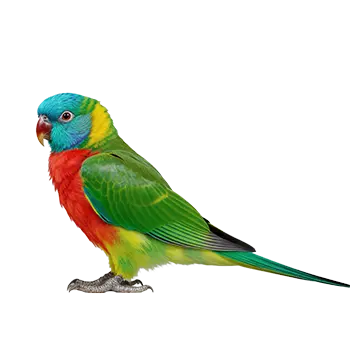

Successful breeding of Splendid Parakeets begins long before the first egg is laid. Careful pair selection, assessment of breeding readiness, and a clear understanding of what responsible breeding entails are prerequisites that separate considered aviculture from haphazard production. Splendid Parakeets are widely bred in captivity and are available in both their wild-type plumage and a range of established color mutations, but the popularity of the species does not reduce the breeder's obligation to prioritize health, temperament, and genetic diversity in every pairing decision.
Splendid Parakeets reach sexual maturity at approximately ten to twelve months of age, but most experienced breeders delay breeding until the birds are at least one year old and ideally closer to eighteen months. Allowing the birds to reach full physical maturity before the demands of reproduction ensures that the female's skeletal calcium reserves are adequate for egg production and that both birds are in peak condition to handle the energetic cost of raising a clutch. Breeding immature birds increases the risk of egg-binding in the hen, poor parental behavior, and chicks with developmental problems.
Pair compatibility is a genuine concern with Splendid Parakeets. While the species is generally peaceable, not every male-female combination will form a productive breeding pair. Introduce prospective pairs in adjacent cages first, allowing the birds to see and hear each other without physical contact. Signs of mutual interest include the male performing courtship displays, including wing lifting, head bobbing, and soft chattering calls directed toward the female, and the female responding with relaxed body language rather than fleeing to the far side of her cage. If either bird shows persistent aggression, fear, or complete disinterest after several weeks of side-by-side housing, the pairing is unlikely to succeed and alternative mates should be considered.
Genetic planning should factor into every breeding decision. Avoid pairing closely related birds, as inbreeding depression can manifest as reduced fertility, weakened immune function, and increased incidence of developmental abnormalities in offspring. If breeding color mutations, understand the inheritance patterns involved and be aware that some mutation combinations can produce lethal or sub-lethal genotypes. Maintain accurate records of each bird's lineage, band number, and breeding history. Responsible breeders also consider the availability of suitable homes for offspring before initiating a breeding attempt, ensuring that every chick produced has a committed owner waiting.