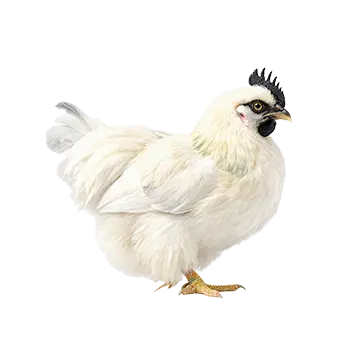

Silkie Chicken chicks hatch after an incubation period of approximately 21 days, emerging as small, damp bundles covered in fine down that will eventually dry into the characteristically fluffy plumage the breed is known for. Unlike many standard chicken breeds, Silkie chicks are notably small at hatch, typically weighing between 25 and 35 grams depending on whether they come from bantam or standard-sized stock. The chick will spend its first hours resting and absorbing the remainder of its yolk sac, which provides essential nutrients and energy during this critical transition from embryonic life to the outside world.
During the first 24 hours, the chick should not be rushed into eating or drinking. The residual yolk sac sustains the chick for up to 48 hours after hatching, and attempting to force food or water before the chick is ready can do more harm than good. If the chick hatched in an incubator, allow it to dry completely and gain steady footing before transferring it to a prepared brooder. Moving a still-wet chick into a brooder risks chilling, even if the brooder temperature is correct, because evaporative cooling from damp down can rapidly lower the chick's core body temperature.
Once the chick is dry and alert, it can be placed in a brooder set between 95 and 100 degrees Fahrenheit. Fresh, clean water should be available in a shallow dish or chick-specific waterer. Silkie chicks are particularly susceptible to drowning due to their small size and the breed's characteristic vaulted skull, which can affect coordination in the earliest days. Adding clean marbles or pebbles to the water dish prevents the chick from submerging its head. A high-quality chick starter crumb should also be available, scattered on a paper towel initially so the chick can see and peck at the feed easily.
If the chick hatched under a broody hen, the hen will manage warmth, early feeding guidance, and protection. Silkie hens are legendary for their brooding dedication and will typically begin encouraging the chick to eat and drink within the first day. Even in hen-raised scenarios, however, the keeper should check on chicks within the first 24 hours to confirm all are active, dry, and able to access food and water without obstruction from the hen or other flock members.