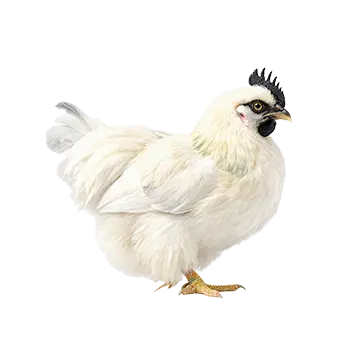

Daily Care & Management

Adult Silkie Chickens thrive on consistent daily routines that address their basic needs for food, water, shelter, and social interaction. A typical day begins at dawn when the coop door is opened to allow the flock access to the run or free-range area. Check the waterers to ensure they are clean and full, inspect feeders for spoilage or contamination, and do a quick visual assessment of each bird as it exits the coop. This morning check is your first opportunity to spot anything unusual, such as a bird that is reluctant to leave the coop, limping, or showing signs of lethargy.

Nest box management is a daily task for any flock with laying hens. Collect eggs at least once per day, ideally twice, to reduce the likelihood of egg eating, a habit that is difficult to break once established. Keep nest boxes clean and lined with fresh straw or shavings. Silkie hens are notorious for going broody, and during the prime laying years a keeper may find a hen camped in a nest box with fierce determination regardless of whether the eggs beneath her are fertile. Managing broodiness is a recurring aspect of daily Silkie care and is covered in depth in the breeding section of this guide.

Evening routines center on securing the flock for the night. Because Silkies cannot fly to escape predators and their dark, fluffy plumage makes them nearly invisible on the ground at dusk, they are exceptionally vulnerable to predation. Count every bird at roost time to ensure none have been left outside. Close and latch the coop door securely against raccoons, foxes, weasels, and other nocturnal predators. Hardware cloth with half-inch openings is far more secure than standard chicken wire, which can be torn open by determined predators. A predator-proof coop is not optional for Silkies; it is the single most important piece of infrastructure a keeper can provide.

Beyond the morning and evening routines, spend time simply observing your flock throughout the day. Silkies are social, engaging birds that display a wide range of natural behaviors when they feel safe and comfortable. Dust bathing, foraging, preening, sunbathing, and quiet vocalizing are all signs of a content flock. Any deviation from these normal patterns, such as a bird standing apart from the group, a sudden increase in aggressive behavior, or a decrease in foraging activity, can be an early indicator of illness, injury, or environmental stress.

Nutrition & Feeding

Adult Silkie Chickens require a well-balanced diet to maintain body condition, support egg production, and sustain the metabolic demands of their unique feathering. A commercially formulated layer feed with approximately 16 percent protein and 3.5 to 4 percent calcium serves as the dietary foundation for laying hens. Non-laying Silkies, including roosters and hens that are not currently in production, can be maintained on an all-flock or maintenance feed with slightly lower calcium to avoid the kidney strain that excess calcium can cause over time.

Crushed oyster shell should be available at all times in a separate dish from the main feed. Offering calcium as a free-choice supplement rather than relying solely on the calcium in layer feed allows each hen to regulate her own intake based on her production demands. A hen laying consistently will consume more oyster shell than a hen between laying cycles or a hen that has gone broody. This self-regulation system is simple, inexpensive, and effective at preventing the thin-shelled or soft-shelled eggs that result from calcium deficiency.

Supplemental foods add nutritional variety and behavioral enrichment but must be offered in moderation. Dark leafy greens such as kale, spinach, and romaine provide vitamins A and K. Mealworms and black soldier fly larvae are excellent protein sources that Silkies find irresistible. Small amounts of fruit, cooked grains, and vegetables round out the treat options. The ten percent rule remains the guiding principle: no more than ten percent of total daily calories should come from treats, with the remaining ninety percent from the balanced base feed. Overfeeding treats dilutes the nutrient balance of the diet and can lead to obesity, which is a particular concern in Silkies because their fluffy feathers can mask weight gain until it becomes severe.

Clean, fresh water is non-negotiable. An adult Silkie drinks approximately one cup of water per day under normal conditions, with intake increasing significantly in warm weather. Waterers should be scrubbed and refilled daily. In freezing climates, heated waterers or frequent water changes prevent the flock from going without water during the coldest hours. Dehydration reduces egg production rapidly and compromises overall health. As with juvenile Silkies, nipple-style waterers are advantageous for adults because they keep the crest and beard feathers dry, reducing the risk of skin irritation and fungal infections around the face.

Egg Production & Management

Silkie Chickens are modest egg producers compared to high-output breeds like Leghorns or Rhode Island Reds, but their eggs are a delightful product of keeping the breed. A healthy adult Silkie hen typically lays between 100 and 120 small to medium cream-colored or lightly tinted eggs per year. Production usually begins between five and eight months of age and is influenced by day length, nutrition, health status, and the individual hen's genetics. Silkies tend to lay in cycles, producing for several weeks and then pausing, rather than laying with the daily regularity seen in production breeds.

Day length is the primary environmental trigger for egg production in chickens, and Silkies are no exception. Hens require approximately 14 to 16 hours of light per day to maintain consistent laying. During the shorter days of autumn and winter, production naturally declines and may cease entirely. Some keepers choose to supplement with artificial lighting in the coop to extend the perceived day length, using a low-wattage bulb on a timer set to turn on in the early morning hours. This practice maintains production through the winter but also means the hen does not get the natural rest period that reduced daylight would otherwise provide. Whether to supplement lighting is a personal management decision that weighs production goals against the hen's natural cycle.

Broodiness is the defining behavioral trait of the Silkie breed when it comes to egg management. Silkie hens are among the most persistently broody of all chicken breeds, and a broody hen stops laying entirely to sit on a clutch of eggs. A hen may go broody multiple times per year, and some individuals seem to spend more time broody than not. If egg production is the primary goal, breaking broodiness promptly maximizes annual output. Standard methods for discouraging broodiness include removing the hen from the nest box repeatedly, placing her in a wire-bottomed broody breaker cage for two to four days, and ensuring nest boxes are not excessively dark or secluded. However, many Silkie keepers embrace broodiness as a breed feature and use their Silkie hens as natural incubators for eggs from other breeds.

Egg quality should be monitored throughout the laying season. Consistent shell thickness, uniform color, and normal shape indicate a hen in good nutritional and reproductive health. Abnormalities such as thin shells, shell-less eggs, wrinkled shells, or blood spots can signal calcium deficiency, stress, reproductive tract infection, or other health concerns. Occasional irregularities are normal, especially in young pullets just beginning to lay or in older hens nearing the end of their productive years. Persistent abnormalities warrant a veterinary evaluation to rule out conditions such as egg yolk peritonitis or salpingitis.

Molting & Feather Care

The annual molt is one of the most dramatic events in an adult Silkie Chicken's year. Molting is the natural process by which chickens shed and replace their feathers, and it typically occurs in late summer or autumn as day length decreases. During a molt, egg production stops entirely as the hen redirects metabolic resources from egg formation to feather growth. A complete molt can last six to twelve weeks, during which the Silkie may look ragged, patchy, and frankly alarming to a new keeper who has not witnessed the process before.

Silkies molt in a generally predictable pattern, beginning with the head and neck feathers and progressing down the body to the back, breast, wings, and tail. Because Silkie feathers are structurally different from standard chicken feathers, the growing pin feathers are particularly sensitive to contact and damage. Handle molting Silkies as little as possible during active feather growth, and avoid picking them up by the body where emerging pin feathers could be broken. A broken pin feather can bleed significantly and may require styptic powder or direct pressure to control.

Nutritional support during the molt is critical. Feathers are composed almost entirely of keratin, a protein, so a molting Silkie needs increased dietary protein to support rapid feather replacement. Many keepers switch from layer feed to a higher-protein all-flock or game bird feed containing 20 to 22 percent protein during the molt. Supplemental protein sources such as mealworms, scrambled eggs, and canned fish are also beneficial. Restoring the normal layer feed once the new feathers have fully grown in supports the return to egg production.

Beyond the annual molt, adult Silkies require ongoing feather maintenance that is unique to the breed. The crest feathers around the face can grow long enough to obstruct vision, which increases the bird's vulnerability to predators and makes it more difficult for the bird to find food and water. Trimming the crest feathers around the eyes improves the bird's quality of life without affecting health. The beard and muff feathers can also accumulate food debris and moisture, so periodic checks and gentle cleaning help prevent skin irritation and infection in these areas. Silkies that are kept for exhibition will require additional grooming attention, including bathing and blow-drying before shows, but even pet Silkies benefit from regular feather maintenance.

Health Maintenance

Preventive health care for adult Silkie Chickens centers on parasite management, environmental hygiene, and regular physical examinations. External parasites, particularly poultry mites and lice, are a persistent concern for Silkies because the breed's dense, fluffy plumage provides an ideal habitat for these organisms. Northern fowl mites and red poultry mites are the most common culprits. Mites feed on blood, and a heavy infestation can cause anemia, feather loss, decreased egg production, and even death if left untreated. Inspect birds regularly by parting the feathers around the vent, under the wings, and along the keel to check for mites, lice, or their eggs.

Internal parasites, including roundworms, cecal worms, and capillary worms, are a concern for any flock with outdoor access. Fecal float testing performed by a veterinarian provides an accurate assessment of parasite burden and guides deworming decisions. Routine prophylactic deworming without diagnostic testing is increasingly discouraged because it contributes to anthelmintic resistance. Rotational grazing, prompt removal of droppings from the coop, and keeping the run well-drained reduce parasite egg accumulation in the environment.

Silkies are susceptible to bumblefoot, a bacterial infection of the foot pad that typically begins when a small cut or abrasion becomes infected, forming a hard, swollen abscess on the bottom of the foot. The condition is more common in heavier birds or birds that regularly jump from elevated surfaces onto hard ground, which is why low roosts are recommended for the breed. Inspect the foot pads during routine handling and address any swelling, discoloration, or scabbing early. Mild cases respond to soaking, cleaning, and topical antibiotic treatment, while advanced cases may require surgical debridement by a veterinarian.

Respiratory health requires ongoing vigilance. Silkies are not inherently more prone to respiratory disease than other breeds, but their facial feathering can trap moisture and harbor bacteria if not kept clean. Coop ventilation is the most important controllable factor in respiratory health. Ammonia from accumulated droppings is the primary environmental respiratory irritant, and a well-ventilated coop with regular bedding changes keeps ammonia levels low. Any coughing, sneezing, wheezing, or nasal discharge in the flock should be investigated promptly, as respiratory infections can spread rapidly through a flock in shared airspace.

Behavioral Characteristics

Adult Silkie Chickens are cherished for a temperament that is unusually gentle and affectionate by poultry standards. They tolerate handling well, often seeking out human interaction and sitting calmly in a keeper's lap. This tractable nature makes them outstanding pets, therapy animals, and show birds, but it also means they are frequently subordinate when housed with more assertive breeds. Understanding the behavioral profile of adult Silkies helps keepers create an environment that protects their well-being while allowing them to express their natural behaviors.

Silkies are social birds that form strong bonds within their flock group. Hens in particular display cooperative behaviors, including communal nesting where multiple hens share a single nest box, and allo-preening where flock-mates groom each other's head and neck feathers. These affiliative behaviors are a sign of a well-bonded, low-stress flock. Roosters in the Silkie breed tend to be less aggressive than roosters of many other breeds, though individual variation exists. A good Silkie rooster will perform tidbitting displays to call hens to food, stand watch while the flock forages, and alert the group to overhead predators with alarm calls.

Broodiness is best understood as a behavioral characteristic rather than merely a reproductive event. A broody Silkie hen undergoes hormonal changes that alter her behavior profoundly. She becomes intensely focused on the nest, refuses to leave for more than brief periods to eat and drink, flattens her body against the eggs, and may growl or peck at hands that reach into the nest box. This behavior persists for 21 days or longer, regardless of whether fertile eggs are present. Keepers who do not wish to hatch chicks must manage broodiness proactively to protect the hen's body condition, as prolonged brooding without adequate food and water intake leads to significant weight loss and nutritional depletion.

Vocalization in adult Silkies tends to be quieter and less strident than in many standard breeds, which contributes to their suitability for suburban and small-lot keeping. Hens produce a soft, contented clucking during daily activities and a more excited egg song after laying. Roosters crow, and while the Silkie crow is typically lower in volume than that of a large-fowl rooster, it remains audible and may still generate complaints in noise-sensitive neighborhoods. Evaluating local noise ordinances and discussing chicken keeping with neighbors before adding a rooster to the flock is prudent practice that avoids conflict and potential regulatory action.

Seasonal Considerations

Managing adult Silkie Chickens through the changing seasons requires attention to the breed's specific vulnerabilities, particularly its inability to shed water and its sensitivity to temperature extremes. The Silkie's non-waterproof feathering and relatively small body size make seasonal management a more active responsibility than it might be with hardier, standard-feathered breeds.

Summer heat is a serious concern for Silkies. Chickens dissipate heat primarily through their combs, wattles, and respiratory system, and the Silkie's walnut comb is smaller and less efficient at heat exchange than the large single combs found on breeds like Leghorns. Additionally, the dense, insulating plumage that keeps Silkies warm in cool weather works against them in high temperatures by trapping body heat. Signs of heat stress include panting, holding the wings away from the body, lethargy, and pale combs. Provide shade in the run, ensure constant access to cool water, freeze treats like watermelon or berries for enrichment, and consider adding fans to improve air circulation in the coop during heat waves. In regions where temperatures regularly exceed 90 degrees Fahrenheit, Silkies may need access to air-conditioned or misted areas during the hottest hours.

Winter brings the opposite challenge. While Silkie feathers do provide substantial insulation when dry, they lose virtually all insulating value when wet. Rain, sleet, and snow that would roll off the waterproof plumage of a standard chicken can saturate a Silkie's feathers in minutes, leading to rapid heat loss and hypothermia. During wet or freezing weather, Silkies should be confined to a covered, dry run or kept inside the coop. The coop itself should be well insulated but not sealed, because trapped moisture and ammonia from reduced ventilation can cause respiratory problems. A balance between warmth retention and adequate air exchange is essential. Heated waterers prevent the water supply from freezing, and a deep litter bedding system generates gentle warmth through microbial decomposition of the bedding material.

Spring and autumn are transitional seasons that bring their own management tasks. Spring is typically the peak of egg production and the most common season for broodiness to begin. It is also when external parasites become more active as temperatures rise. Autumn triggers the annual molt and the associated decline in egg production. Both transitions benefit from proactive adjustments to diet, housing, and health monitoring. Keepers who anticipate these seasonal shifts rather than reacting to them will find that their Silkies remain healthier, more productive, and better adjusted throughout the year.

Always consult a qualified professional before making any health-related decisions. This content is provided for informational reference only and should not replace professional guidance specific to your animal.