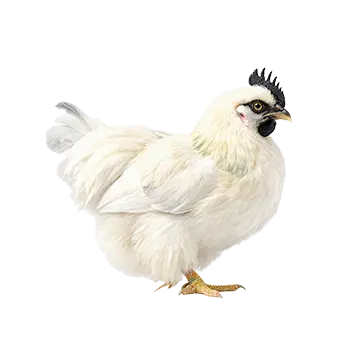

Recognizing the Aging Silkie

Silkie Chickens generally enter their senior years around five to six years of age, though the transition from prime adulthood to old age is gradual and varies with genetics, diet, living conditions, and overall health history. Unlike some standard chicken breeds that decline steeply after peak production, Silkies often age with a gentleness that mirrors their temperament, slowing down incrementally rather than experiencing abrupt changes. Recognizing the subtle early signs of aging allows keepers to adjust care proactively rather than reactively.

The most reliable early indicator of aging in a Silkie hen is a decline in egg production. A hen that once laid three to four eggs per week may gradually drop to one or two, then to occasional eggs, and eventually cease laying altogether. This decline is normal and reflects the finite number of ova a hen carries from hatch. The cessation of laying does not mean the hen is unhealthy; it simply means her reproductive system is retiring. Some keepers notice that the last eggs a senior hen produces may have thinner shells or irregular shapes, which is also a normal part of reproductive decline.

Physical changes become more apparent as the Silkie moves deeper into her senior years. The crest feathers may thin or become less symmetrical. The walnut comb may lose some of its vibrancy, shifting from deep mulberry to a duller shade. Muscle mass along the keel bone may decrease even if the bird maintains adequate food intake, reflecting the natural sarcopenia that accompanies aging in poultry. The bird's gait may become slightly stiffer, and she may spend more time resting and less time actively foraging compared to her younger flock-mates.

Behavioral shifts are equally telling. A senior Silkie may become less interested in dust bathing, less responsive to treat offerings that once excited her, or more inclined to remain in a sheltered spot rather than ranging across the yard. She may also become more vulnerable to social displacement within the flock, as younger, more vigorous birds push her down the pecking order. These changes are not emergencies, but they are signals that the bird's management needs should be reassessed to ensure her comfort and well-being as she ages.

Nutritional Adjustments

Feeding a senior Silkie Chicken requires thoughtful modifications to the diet she was maintained on during her productive years. Once a hen has stopped laying or is laying only sporadically, the high-calcium layer feed that supported egg production is no longer appropriate. Excess calcium in a non-laying bird places unnecessary strain on the kidneys and can contribute to renal dysfunction over time. Transition the senior hen to an all-flock or maintenance feed with moderate protein, around 16 percent, and without the elevated calcium levels found in layer formulations.

Protein quality becomes more important than quantity in the senior diet. Aging birds may not absorb or metabolize protein as efficiently as younger birds, so offering easily digestible protein sources alongside the base feed can help maintain muscle mass and feather condition. Small amounts of scrambled egg, cooked fish, or high-quality mealworms provide concentrated protein that is readily utilized. Monitor the bird's body condition regularly by feeling the keel bone; a sharp, prominent keel with little flesh on either side indicates the bird is losing condition and may need increased caloric or protein support.

Hydration takes on even greater importance in senior birds. Older Silkies may be less motivated to walk to the waterer, particularly if mobility is compromised by arthritis or foot problems. Placing water sources close to the bird's preferred resting area and ensuring water is always fresh and accessible encourages adequate intake. In hot weather, offering water-rich treats like cucumber or watermelon provides supplemental hydration. Dehydration in a senior bird can escalate quickly into a crisis, so monitoring water consumption and droppings consistency for signs of reduced fluid intake is a daily priority.

Vitamin and mineral supplementation may benefit some senior Silkies, particularly those showing signs of decreased feather quality, lethargy, or immune suppression. A poultry-specific vitamin and electrolyte supplement added to the water once or twice weekly can address minor deficiencies without the risk of over-supplementation. Probiotics designed for poultry can also support digestive efficiency in older birds whose gut microbiome may be less robust than it was during their prime years. Consult with a poultry veterinarian before beginning any supplementation regimen to ensure it is appropriate for the individual bird's condition.

Common Age-Related Health Issues

Senior Silkie Chickens are susceptible to a range of age-related health conditions that require informed management. Reproductive disorders are among the most common issues in aging hens, even those that have stopped laying. Egg yolk peritonitis, a condition where yolk material is deposited into the abdominal cavity rather than passing through the oviduct, can cause abdominal swelling, lethargy, and a penguin-like upright posture. This condition can be chronic and low-grade or can develop into an acute, life-threatening infection. Veterinary evaluation is essential for diagnosis, and treatment options range from hormonal implants that suppress ovulation to surgical intervention in severe cases.

Ascites, the accumulation of fluid in the abdominal cavity, is another condition seen in senior chickens. It can result from heart disease, liver dysfunction, or reproductive issues. An affected bird will have a visibly distended abdomen that feels fluid-filled when palpated. The fluid can be drained by a veterinarian for temporary relief, but the underlying cause must be addressed to prevent rapid reaccumulation. Ascites is often a sign of a systemic condition, and the prognosis depends heavily on the root cause.

Arthritis and joint stiffness are common in aging Silkies, particularly in the hock joints and feet. The breed's extra toe and feathered legs may predispose them to gait abnormalities as joint wear accumulates over the years. Affected birds may limp, spend excessive time sitting, or be reluctant to walk to the feeder or waterer. Anti-inflammatory supplements such as omega-3 fatty acids from fish oil can provide mild relief. Ensuring roosts are set at ground level and that the bird does not need to negotiate ramps or steps to access food and water reduces the physical demands on sore joints.

Tumors, both internal and external, become more prevalent in senior poultry. Marek's disease, if present in a latent form, can manifest as tumors in older birds. Fatty lipomas may appear as soft masses under the skin. Internal tumors of the reproductive tract, liver, or kidneys are difficult to detect without veterinary imaging but may present as gradual weight loss, abdominal distension, or changes in droppings. While treatment options for internal tumors in poultry are limited, accurate diagnosis helps the keeper make informed decisions about the bird's quality of life and future care.

Comfort & Mobility

Ensuring physical comfort for a senior Silkie Chicken involves adapting the living environment to accommodate declining mobility and increased vulnerability to environmental stressors. As a bird ages, its ability to thermoregulate, move freely, and compete for resources within the flock diminishes. Simple environmental modifications can make a substantial difference in the older bird's daily comfort and quality of life.

Roosting accommodations should be reassessed for senior birds. Even the low roosts recommended for adult Silkies may become challenging for a bird with arthritic joints. Providing a ground-level roosting option, such as a low platform padded with straw or a shallow nest-like structure, allows the senior Silkie to rest comfortably without needing to step up onto a perch. Some older Silkies will simply sleep on the floor of the coop, and providing a clean, dry, well-bedded area near the wall where the bird feels sheltered is a practical accommodation.

Deep litter bedding, maintained properly, provides a cushioned, warm surface that is easier on aging feet and joints than bare floors or thin bedding. The deep litter method involves layering fresh bedding material over the existing layer and allowing the lower layers to decompose slowly, generating gentle heat through microbial activity. This system benefits senior birds by providing consistent warmth, a soft walking surface, and opportunities for gentle foraging behavior as the composting material attracts small insects. Turn the litter periodically to maintain aerobic conditions and add fresh material as needed to keep the surface clean and dry.

Senior Silkies may need protection from younger, more active flock-mates. As a bird's position in the pecking order drops due to age-related weakness, she may be excluded from feeders and waterers by dominant birds. Providing multiple feeding and watering stations spaced throughout the coop and run ensures the senior bird can access resources without needing to compete directly. In cases of persistent bullying, a separate but visible enclosure within the coop allows the senior bird to remain part of the flock socially while being protected from physical aggression. Isolation should be avoided unless the bird is being actively harmed, as social separation causes stress in this highly gregarious breed.

Environmental Modifications

The living environment of a senior Silkie Chicken should be optimized for safety, accessibility, and thermal comfort. Changes that would have been minor inconveniences for a younger bird can become significant barriers for an older one, so a thoughtful review of the coop, run, and any free-range areas from the perspective of the aging bird is worthwhile.

Eliminate or minimize obstacles that require climbing, jumping, or navigating tight spaces. Ramps should be checked for slip hazards and, if necessary, fitted with additional traction strips. Doorway thresholds should be low enough for a bird with limited leg strength to step over comfortably. If the pop door between the coop and run is elevated, adding a ramp or lowering the door prevents the senior bird from being trapped inside when she cannot manage the step. These modifications are inexpensive and can be completed in an afternoon, but they have a meaningful impact on the bird's ability to move freely and access the outdoor environment.

Weather protection becomes even more critical for senior Silkies. The breed's non-waterproof feathering is a challenge at any age, but older birds chill more quickly and recover from temperature stress more slowly. Ensure the run has extensive covered areas that protect against rain and provide shade in summer. During cold weather, consider offering a heated pad or a heat lamp positioned safely in the coop to give the senior bird a warm zone she can access when needed. Always secure heat sources against fire risk and ensure the bird can move away from the heat if she becomes too warm.

Lighting in the coop should provide gentle illumination for the senior bird to see food, water, and roosting areas, particularly during the shorter days of winter. Low-level lighting set on a timer can help an older bird navigate the coop safely without the abrupt darkness that comes when natural light fades. Avoid overly bright lighting, which can cause stress and disrupt rest. A soft, warm-toned light that mimics dawn and dusk transitions helps the bird settle into a comfortable nighttime routine.

Regular cleaning and bedding replacement in the areas the senior bird frequents most help prevent the respiratory irritation that accumulated ammonia causes. Older birds spend more time resting in one spot, which means the bedding beneath them becomes soiled more quickly than in areas used by active, foraging birds. Spot-clean the senior bird's preferred resting area daily and replace the bedding completely on a regular schedule to maintain air quality and surface cleanliness.

Emotional Well-Being

The emotional and psychological needs of a senior Silkie Chicken deserve the same attentive care as her physical needs. Silkies are among the most socially bonded of all chicken breeds, forming strong attachments to both their flock-mates and their human caregivers. As a bird ages and her role within the flock shifts, maintaining her sense of security and social connection becomes an important component of overall well-being.

Senior Silkies benefit from consistent daily routines. Birds that have lived with the same keeper for years recognize and respond to familiar patterns, including the sound of the feed bin opening, the routine of the coop door being unlatched, and the timing of daily interactions. Disruptions to these routines, such as sudden changes in housing, the loss of a long-term flock-mate, or the introduction of unfamiliar birds, can cause visible stress in an older bird. When changes are necessary, make them gradually and provide extra attention and comfort during the transition.

The loss of a flock companion can affect a senior Silkie profoundly. Chickens are flock animals, and a bird that has lived alongside the same companions for years may become visibly distressed, vocalizing more frequently, refusing food, or becoming unusually withdrawn when a companion dies or is removed. While chickens do adapt, the adjustment period can be longer for senior birds. Spending extra time with the grieving bird, offering favorite treats, and ensuring she has at least one remaining companion helps ease the transition. A Silkie that is suddenly the last remaining bird in a flock should not be left alone indefinitely; acquiring a similarly calm companion, even from another breed, provides the social contact she needs.

Human interaction remains valuable throughout the senior years. Many aging Silkies become even more receptive to handling and lap time as they slow down physically. These quiet sessions are enriching for both the bird and the keeper, and they serve a practical purpose by allowing the keeper to conduct gentle physical examinations during each interaction. The warmth and calm of sitting with a trusted person appears to be genuinely comforting to older Silkies, and maintaining this bond honors the relationship that has been built over the bird's lifetime.

Ongoing Veterinary Care

Veterinary care for senior Silkie Chickens shifts from the prevention-focused approach of the prime years to a more diagnostic and palliative model. Regular wellness examinations become increasingly important as the bird ages, because many age-related conditions are manageable if caught early but become critical if allowed to progress undetected. A senior wellness check should include a thorough physical examination, body condition scoring, foot and leg assessment, and discussion of any behavioral changes the keeper has observed.

Diagnostic tools available for poultry have expanded significantly, and keepers who are committed to their senior Silkies' care can access many of the same diagnostics used in companion animal medicine. Blood panels can reveal organ function and detect early signs of renal or hepatic compromise. Radiographs and ultrasound can identify ascites, reproductive masses, or other internal abnormalities that physical examination alone might miss. Fecal testing for internal parasites should continue on a regular schedule, as older birds may be more susceptible to parasite burdens that a younger bird would handle without clinical signs.

Pain management is an area of poultry medicine that has received increasing attention. Senior Silkies with arthritis, bumblefoot, or other painful conditions deserve relief, but the options available for chickens are more limited than for dogs or cats. Meloxicam is the most commonly used anti-inflammatory in avian medicine and can be prescribed by a poultry-experienced veterinarian at appropriate dosing for chickens. Never administer over-the-counter human pain medications to poultry, as many are toxic to birds. Even aspirin, which is sometimes cited in home-remedy resources, carries a significant risk of gastrointestinal bleeding and should not be used without veterinary guidance.

Establishing a relationship with a veterinarian who understands poultry before a crisis arises is far preferable to searching for one during an emergency. Avian and exotic animal veterinarians, poultry-savvy large animal practitioners, and veterinary schools with poultry programs are all potential resources. Keep the veterinarian's contact information posted prominently and discuss emergency protocols in advance, including what constitutes a true emergency versus a condition that can wait for a scheduled appointment. This preparation reduces stress for both the keeper and the bird when urgent situations arise.

Always consult a qualified professional before making any health-related decisions. This content is provided for informational reference only and should not replace professional guidance specific to your animal.