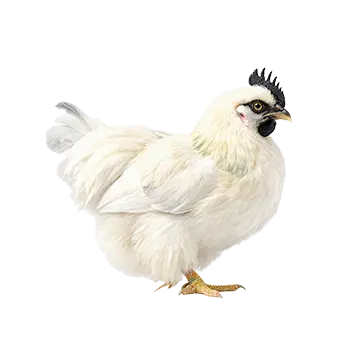

Growth & Physical Development

The juvenile stage for Silkie Chickens spans roughly six weeks to five or six months of age, encompassing a period of dramatic physical transformation. During this window, the chick's body undergoes rapid skeletal and muscular growth while the breed's signature features become increasingly pronounced. The soft, hair-like plumage fills in across the entire body, the walnut comb begins to develop its characteristic shape, and the five-toed feet that distinguish Silkies from most other chicken breeds become fully formed and functional.

Weight gain during the juvenile period is steady but notably slower than in standard meat or dual-purpose breeds. Bantam Silkies will typically reach two to three pounds by five months of age, while standard-sized Silkies may approach three to four pounds. Keepers should weigh juvenile Silkies periodically to ensure consistent growth rather than expecting the rapid bulk gain seen in breeds like Cornish Crosses or even Plymouth Rocks. A growth stall lasting more than two weeks, combined with other signs such as decreased appetite or lethargy, warrants investigation into possible health issues or nutritional deficiencies.

One of the most distinctive aspects of juvenile Silkie development is the emergence of the crest, the pom-pom-like tuft of feathers on top of the head. This crest grows from feather follicles on the vaulted skull, a breed characteristic where the cranial bones do not fully fuse, leaving a soft spot similar to a human infant's fontanelle. The vaulted skull makes juvenile Silkies more vulnerable to head trauma than other breeds, and keepers should take care to prevent rough handling, aggressive pecking from flock-mates, and environmental hazards that could cause head injuries during this period.

Sexual dimorphism begins to emerge during the later juvenile months, though Silkies remain one of the most difficult chicken breeds to sex visually. Cockerels may begin to develop slightly larger combs, longer and more pointed hackle feathers called streamers, and a more upright carriage compared to pullets. Crowing typically begins between four and six months but can start earlier or later. Pullets tend to maintain a rounder body shape and a smaller, more compact crest. Even experienced Silkie breeders acknowledge that definitive sexing before four months is unreliable in many cases.

Nutrition & Diet Transition

Transitioning a juvenile Silkie Chicken from chick starter feed to grower feed is a straightforward but important nutritional shift that typically occurs between six and eight weeks of age. Grower feed contains a slightly lower protein content than starter, usually around 16 to 18 percent, which supports continued development without the excessive protein levels that can stress developing kidneys. The feed should remain in crumble or small pellet form, as Silkies have smaller beaks than many standard breeds and can struggle with large pellets.

Fresh water remains the single most important nutritional provision at every stage. Juvenile Silkies are active and growing, and even moderate dehydration can slow growth and weaken the immune system. Waterers should be cleaned daily and positioned so the birds can drink easily without getting their crests wet. Wet crest feathers can lead to chilling, fungal growth, and eye irritation. Nipple-style waterers are an excellent option for Silkies because they deliver water cleanly without splashing and keep the head feathering dry.

As juvenile Silkies grow, supplemental foods can be gradually introduced alongside the base grower feed. Finely chopped leafy greens, small amounts of mealworms, and occasional fruits like watermelon or berries provide enrichment and trace nutrients. However, treats should never exceed ten percent of total daily intake, because displacing the nutritionally balanced grower feed with treats can cause deficiencies in calcium, phosphorus, and essential amino acids that are critical during the growth phase. Always offer appropriately sized poultry grit when supplemental foods are part of the diet, as Silkies need grit in their gizzards to grind anything other than commercial crumble.

Calcium supplementation is not appropriate during the juvenile stage and should be reserved for laying hens. Excessive calcium in growing birds can damage the kidneys and interfere with proper bone development. Do not offer layer feed or oyster shell to juvenile Silkies. The transition to layer feed occurs only when pullets approach point of lay, typically around five to six months of age, and will be covered in the adult care section of this guide.

Feathering & Plumage Development

The development of the Silkie Chicken's plumage during the juvenile stage is one of the breed's most visually striking transformations. Silkie feathers are structurally unique among domestic poultry because they lack the tiny hooks called barbicels that hold the barbs of a typical feather together in a flat, aerodynamic vane. Without these hooks, each Silkie feather separates into individual filaments that create the breed's trademark fluffy, fur-like appearance. This feathering becomes fully apparent during the juvenile months as the chick down is completely replaced.

The juvenile molt, sometimes called the first real feathering, occurs gradually between approximately four and twelve weeks of age. During this period, chicks may look patchy and unkempt as down falls away and adult feathers grow in. This is entirely normal and not a sign of illness or nutritional deficiency. The crest feathers fill in during this same window, and their development can vary significantly between individual birds. Some Silkies develop large, symmetrical crests while others have more modest head feathering, which is partly genetic and partly influenced by nutrition and overall health.

Color patterns also become clearer during the juvenile feathering stage. Silkies are recognized in several color varieties including white, black, blue, buff, splash, partridge, and grey. The final adult color may not be fully evident until the juvenile feathering is complete, and some colors, particularly blue and splash, can shift subtly as feathers mature. Breeders who are raising Silkies for exhibition should begin evaluating feather quality and color conformity during the juvenile months to identify which birds most closely meet the breed standard.

The breed's feathering carries practical implications that keepers must manage. Because Silkie feathers cannot repel water the way conventional feathers do, juvenile Silkies are highly susceptible to becoming waterlogged and chilled in wet conditions. Outdoor access during the juvenile stage should be limited to dry weather, and the coop must provide reliable shelter from rain. Wet Silkies lose body heat rapidly and can develop hypothermia even in moderate temperatures. Ensuring the run has covered areas and that the coop is watertight protects juvenile Silkies during this vulnerable growth period.

Behavioral Development & Socialization

Juvenile Silkie Chickens undergo significant behavioral development as they transition from dependent chicks to increasingly independent young birds. The pecking order, which began as subtle jostling in the brooder, becomes more established during the juvenile months. Silkies are generally mild-mannered in their hierarchy negotiations compared to more assertive breeds, but disputes still occur, particularly as young cockerels begin to test their social standing. Monitoring for excessive bullying or feather picking is important, because a bird that is persistently targeted can develop stress-related health problems and fail to thrive.

This stage is critical for continued socialization with humans. Juvenile Silkies that received regular handling as chicks should continue to be picked up and held daily to maintain their comfort with human contact. Birds that missed early socialization can still be tamed during the juvenile period, though it requires more patience. Sit quietly near the birds and offer treats from your hand, allowing them to approach at their own pace. Silkies are naturally curious and less flighty than many breeds, which works in the keeper's favor when building trust with previously unhandled birds.

Foraging behavior develops rapidly during the juvenile stage. When given access to outdoor areas, juvenile Silkies will scratch, peck, and explore with increasing purpose, learning to identify insects, seeds, and greens. These natural behaviors are important for physical fitness, mental stimulation, and nutritional supplementation. A secure outdoor run with varied substrate, including areas of bare earth for dust bathing, grass for foraging, and shaded spots for resting, provides the environmental complexity that supports healthy behavioral development.

Dust bathing is a particularly important behavior that emerges fully during the juvenile months. Silkies will seek out dry, loose substrate and work it through their feathers in a characteristic rolling and flicking motion. This behavior serves a practical purpose by helping to control external parasites such as mites and lice. Because Silkie feathering is so dense and fluffy, parasites can be difficult to detect visually, making regular dust bathing an essential component of the bird's natural parasite management strategy. Providing a designated dust bathing area with fine, dry sand or diatomaceous earth encourages this healthy behavior.

Housing & Coop Integration

Moving juvenile Silkie Chickens from the brooder to their permanent coop is a significant transition that requires thoughtful preparation. The timing of this move depends on the local climate and the birds' feathering progress, but most Silkies are ready for outdoor housing by six to eight weeks of age in warm weather, provided they are fully feathered and nighttime temperatures remain above 50 degrees Fahrenheit. In cooler climates or seasons, the transition may need to be delayed or supplemented with a heat source in the coop until the birds are more robust.

Coop design for Silkies should account for the breed's physical limitations. Silkies cannot fly due to their feather structure, so roosts should be set low to the ground, ideally no higher than twelve to eighteen inches. High roosts create a risk of foot and leg injuries when the birds jump down. Ramps leading to elevated nest boxes or pop doors should have a gentle slope and a textured surface to prevent slipping. The coop floor should be covered with absorbent bedding such as pine shavings or straw, maintained in a dry condition to prevent the Silkies' non-waterproof feathers from becoming damp and matted.

Integrating juvenile Silkies into an existing flock of older birds requires a gradual approach. The standard method involves housing the juveniles in a separate enclosure within sight of the established flock for at least one to two weeks. This allows the birds to see and hear each other without physical contact, reducing the intensity of aggression when they are eventually combined. Silkies are particularly vulnerable during integration because their docile nature means they rarely fight back against aggressive flock-mates, and their crests can obstruct their peripheral vision, making them slower to react to incoming pecks.

After the visual introduction period, supervised free-range sessions where both groups can interact in a large, open space are the safest next step. Open spaces allow subordinate birds to move away from aggressors, which is more difficult in the confined space of a coop or small run. Watch carefully for signs of persistent targeting, including feather pulling from the crest area, blocking access to food and water, and cornering. If a juvenile Silkie is being relentlessly bullied, remove it and extend the visual introduction period before trying again. Most flocks settle into a stable hierarchy within one to two weeks of full integration.

Health Monitoring

Health management during the juvenile stage focuses on monitoring growth, preventing common diseases, and establishing a parasite control routine. Juvenile Silkies should be observed daily for signs of illness, injury, or parasitic infestation. Because their dense, fluffy plumage can conceal physical problems, hands-on examinations at least once a week are advisable. Pick each bird up, check the body condition by feeling the keel bone, examine the vent area for soiling or irritation, and part the feathers to inspect the skin for mites, lice, or other external parasites.

Coccidiosis remains a significant threat during the juvenile stage, particularly as young birds transition from the controlled brooder environment to outdoor conditions where they encounter soil-borne coccidia oocysts for the first time. Gradual exposure to outdoor environments helps juvenile Silkies build natural immunity, but sudden exposure to heavily contaminated ground can overwhelm their developing immune systems. Rotating grazing areas, maintaining dry ground conditions, and avoiding overcrowding are practical management strategies that reduce coccidiosis risk without relying solely on medicated feed.

Respiratory health deserves close attention in juvenile Silkies. The breed's crest can trap moisture and debris around the face, and the vaulted skull structure can predispose some individuals to sinus-related issues. Keep coop bedding dry and well ventilated, remove wet or soiled bedding promptly, and trim the crest feathers around the eyes if they are causing vision obstruction or trapping moisture. Any signs of respiratory distress, including sneezing, nasal discharge, wheezing, or labored breathing, should be addressed immediately by isolating the affected bird and seeking veterinary guidance.

Vaccination schedules should be reviewed during the juvenile stage. If Marek's disease vaccination was administered at hatch, no booster is needed, but chicks that were not vaccinated at hatch cannot be effectively vaccinated later. Other vaccines, including those for Newcastle disease and infectious bronchitis, may be appropriate depending on the geographic region and local disease prevalence. Consult with a poultry veterinarian or local agricultural extension service to determine which vaccinations are recommended in your area. Maintaining records of all vaccinations, health observations, and treatments creates a valuable reference for ongoing flock management.

Preparing for Maturity

As juvenile Silkie Chickens approach the end of their adolescent stage at around five to six months of age, keepers should begin preparing for the transition to adulthood. For pullets, this means watching for the physical signs that point of lay is approaching. The walnut comb and wattles will deepen in color, often shifting from a dark mulberry to a more vivid shade. The pullet's pelvic bones will begin to widen, and she may start investigating nest boxes with increasing interest. These behavioral and physical changes signal that egg production will begin within the coming weeks.

Dietary adjustments should be made in anticipation of laying. Once a pullet shows clear signs of approaching maturity, transition her from grower feed to a layer feed containing 16 percent protein and supplemented with calcium, usually around 3.5 to 4 percent. Provide crushed oyster shell in a separate dish so laying hens can self-regulate their calcium intake according to their production needs. This transition should be gradual, mixing grower and layer feed over a period of seven to ten days to avoid digestive upset.

For cockerels, the approach to maturity brings different management considerations. Young Silkie roosters typically begin crowing between four and seven months of age, though some individuals start earlier. Crowing can be a concern for keepers in suburban or urban areas with noise-sensitive neighbors. If multiple cockerels are present, dominance disputes may intensify as they mature, and separating competing males may become necessary to prevent injuries. Decide early whether each cockerel will be retained for breeding, rehomed, or kept as a pet, and make arrangements well before aggressive behavior escalates.

The transition from juvenile to adult also involves a reassessment of living space. Adult Silkies require a minimum of four square feet of coop space per bird and eight to ten square feet of run space, though more is always better. If the flock has grown through the juvenile stage and the current housing is approaching capacity, expanding the coop or reducing flock size before the birds reach full maturity prevents overcrowding-related stress, disease, and behavioral problems. Plan these adjustments during the late juvenile stage so the housing is ready before the demands of egg laying and adult flock dynamics add additional pressures.

Always consult a qualified professional before making any health-related decisions. This content is provided for informational reference only and should not replace professional guidance specific to your animal.