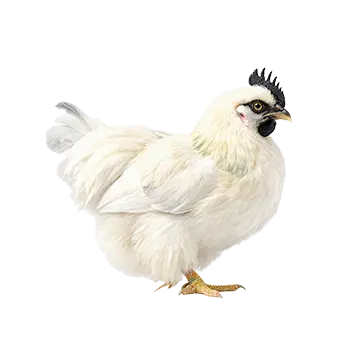

Recognizing when a Silkie Chicken has entered terminal decline is one of the most difficult responsibilities a keeper faces, but it is essential for making informed, compassionate decisions about end-of-life care. Terminal decline can result from advanced age, progressive disease, organ failure, or the cumulative effects of multiple chronic conditions. The signs are often subtle at first and may overlap with symptoms of treatable illnesses, which is why veterinary consultation is valuable for distinguishing between a condition that can be managed and one that signals the end of the bird's life.
The most common early signs of terminal decline in Silkies include a sustained loss of appetite that does not respond to dietary changes or environmental adjustments, progressive weight loss visible as a sharply prominent keel bone, and a withdrawal from normal flock activities. The bird may spend increasing amounts of time sitting in one spot with her feathers puffed out, eyes partially closed, and head tucked. She may stop dust bathing, preening, and vocalizing, all behaviors that are fundamental expressions of a healthy chicken's daily life.
Changes in droppings often accompany terminal decline and can provide useful diagnostic information. Droppings may become watery, discolored, or unusually foul-smelling as organ function deteriorates. Green or yellow droppings can indicate liver dysfunction, while bloody droppings may signal gastrointestinal hemorrhage or severe coccidiosis. The volume and frequency of droppings may also change, with some birds producing very little output as food intake declines. These changes, particularly when they persist over several days without improvement, are strong indicators that the bird's condition is not reversible.
Respiratory changes are another hallmark of terminal decline. A bird approaching death may exhibit labored breathing, tail bobbing with each breath, open-mouth breathing, or audible crackling and rattling sounds. These signs can indicate fluid accumulation in the lungs or air sacs, advanced respiratory infection, or heart failure. In a bird that has already been evaluated and treated for underlying causes, the persistence or worsening of respiratory symptoms despite treatment is a meaningful sign that the disease process is progressing beyond what can be managed.