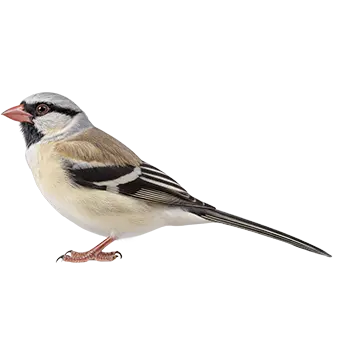

Transition from Nestling to Fledgling

The juvenile period of the Shaft-tail Finch begins at fledging, which typically occurs between 19 and 22 days after hatching, and extends through the completion of the first adult molt at roughly three to four months of age. This transition marks one of the most dramatic and perilous shifts in the bird's life. The chick that yesterday sat securely in a woven nest is now perched on an unfamiliar branch, navigating three-dimensional space with untested wings and relying on rapidly developing coordination to avoid injury. Breeders and keepers should understand that the fledging event is not the end of parental dependence but rather the beginning of a new phase of guided learning.

Newly fledged Shaft-tail Finches are immediately recognizable by their muted plumage, shorter tails, and slightly clumsy movements. Their feathers are fully formed but lack the crispness and richness of adult coloring. The distinctive elongated central tail feathers that give the species its common name are present but considerably shorter than they will be after the first complete molt. The beak is darker than the adult's coral or yellow-orange bill, often appearing blackish at fledging and lightening progressively over the following weeks. These visual cues make it relatively easy to distinguish juveniles from adults in a mixed-age aviary.

The first few days after fledging are the highest-risk period of the juvenile stage. Young birds frequently misjudge distances, crash into cage walls or aviary mesh, and land awkwardly on the floor where they are vulnerable to being stepped on by larger aviary inhabitants. Providing low perches, soft landing areas, and reducing the number of obstacles in the flight path significantly reduces the incidence of injury during this clumsy initial period. If the birds are housed in a cage rather than an aviary, ensure the bar spacing is narrow enough that a fledgling cannot wedge itself between the bars, and cover any open water dishes deep enough to pose a drowning hazard.

Parent birds continue to feed the fledglings actively for approximately two to three weeks after they leave the nest. During this time, the young birds follow the adults around the cage or aviary, begging with characteristic wing-fluttering and vocalizations. This trailing behavior is not just about food; the juveniles are learning foraging strategies, perching techniques, and social protocols by observing and imitating the adults. Separating the young from the parents too early during this post-fledging dependence period can result in birds that struggle to feed themselves and exhibit elevated stress behaviors.

Dietary Progression & Weaning

Weaning is a gradual process in Shaft-tail Finches, unfolding over approximately two to three weeks as the fledgling transitions from complete dependence on parental feeding to self-sufficient seed cracking and foraging. Unlike abrupt weaning protocols sometimes used with parrot species, finch weaning is almost entirely driven by the natural behavior of the parents and the developing competence of the young bird. The breeder's role is to facilitate this process by ensuring that appropriate foods are available and accessible to the juveniles at all times.

The first independent feeding attempts by a fledgling Shaft-tail Finch are typically directed at soft, easy-to-consume foods rather than dry seed. Sprouted seeds, soaked millet sprays, finely chopped greens, and crumbled egg food are among the items that fledglings explore earliest. Scatter these foods in shallow dishes placed on the cage floor and on low platforms near favored perching spots. Ground-level feeding stations are important because newly fledged finches spend considerable time on or near the floor before their flight skills mature, and having food within easy reach encourages early foraging attempts.

As the juvenile's beak strength and coordination develop, it begins to tackle dry seed. Millet spray hung at accessible heights is an excellent transitional food because the small seeds are relatively easy to dehusk, and the spray format allows the bird to practice the pecking and manipulating motions needed for seed cracking. Canary seed, which is slightly larger and harder, usually comes next. By the time the juvenile is five to six weeks old, it should be capable of consuming the full range of seeds in a standard Australian finch mix, though its efficiency and speed will continue to improve over the following weeks.

During the weaning period, it is essential to maintain the enriched diet that was provided during the rearing phase. Sprouted seeds, egg food, greens, and mineral supplements should remain available even after the juveniles appear to be eating independently. The metabolic demands of growth and the approaching first molt mean that nutritional requirements remain elevated throughout the juvenile period. Calcium supplementation through cuttlebone and mineral blocks is particularly important, as the skeletal system is still maturing and feather production for the first molt will place additional demands on mineral reserves.

Monitor the juveniles' body condition closely during weaning. A bird that is eating independently but losing weight may not yet be consuming enough to meet its needs, or it may be selecting only preferred items and ignoring nutritionally important foods. Gently palpate the keel bone to assess body condition; it should be flanked by adequate muscle mass and not feel sharp or prominent. If a juvenile appears underweight despite access to food, consider returning it briefly to a setting where it can continue to receive supplemental parental feeding.

Feather Development & First Molt

The first molt is one of the defining events of the juvenile period in Shaft-tail Finches, transforming the bird from a dull-plumaged youngster into a recognizable adult. This molt typically begins around eight to ten weeks of age and continues over a period of four to eight weeks, depending on the individual bird's health, nutrition, and environmental conditions. Understanding the mechanics and demands of the molt helps breeders provide the support that juveniles need to produce a full, healthy set of adult feathers.

Juvenile Shaft-tail Finch plumage is characterized by overall softer tones than the adult. The black bib and throat patch of the adult bird is absent or faintly indicated in the juvenile, the flank markings are subdued, and the head coloring is washed out. The elongated central tail feathers, while present, are shorter and less sharply pointed. As the first molt progresses, these juvenile feathers are gradually replaced by adult-type feathers that display the full intensity of color and pattern. The beak also continues to lighten during this period, shifting from dark gray or black toward the vivid orange, red, or yellow characteristic of the adult, depending on the subspecies.

Molting places significant physiological demands on the bird. Each new feather is a complex structure of keratin that requires protein, amino acids, and minerals for proper synthesis. A juvenile in active molt that does not receive adequate nutrition will produce feathers that are weak, brittle, or poorly colored, and these defective feathers must be retained until the next molt cycle, potentially a full year later. Increase the availability of protein-rich foods during the molt, including egg food, sprouted legumes, and small insects. Some breeders also add a commercial molt supplement to the drinking water, though this should not substitute for a varied, high-quality diet.

Environmental conditions influence molt quality as well. Consistent lighting schedules help regulate the hormonal signals that drive feather replacement. Birds subjected to erratic light cycles may experience irregular or prolonged molts. Maintain a photoperiod of approximately 12 to 14 hours of light during the molt period. Bathing opportunities should be provided frequently, as water stimulates the loosening of old feathers and helps new feathers unfurl properly. A shallow dish of room-temperature water or a gentle misting with a spray bottle encourages bathing behavior in juveniles that may not yet have established a regular bathing routine.

During the molt, it is normal for birds to appear slightly scruffy and for loose feathers to accumulate on the cage floor. However, bald patches, areas of broken or blood-streaked feathers, or feathers that fail to emerge from their sheaths are not normal and may indicate nutritional deficiency, feather-destructive behavior by cagemates, or underlying health problems such as feather mite infestation or viral infection. Any abnormal feather condition during the first molt warrants a veterinary evaluation to rule out systemic disease before the bird reaches adulthood.

Social Dynamics & Flock Integration

Shaft-tail Finches are inherently social birds that in the wild live in loose flocks outside of the breeding season. The juvenile period is when the young bird learns the social rules and communication patterns that will govern its interactions with conspecifics for the rest of its life. Proper socialization during this stage produces a confident, well-adjusted bird that integrates smoothly into a flock or mixed aviary. Inadequate socialization can result in a bird that is excessively timid, aggressive, or unable to pair bond successfully when it reaches breeding age.

In a typical breeding scenario, the juvenile's first social environment consists of its parents and siblings. This family group provides a rich social context where the young bird learns to interpret body language, respond to contact calls, and negotiate personal space. Shaft-tail Finches communicate through a repertoire of soft calls, beak movements, and postural signals. Juveniles absorb this vocabulary through observation and trial, gradually refining their own signaling as they mature. Sibling groups that remain together through the weaning period tend to develop strong flock bonds that persist even after they are moved to new enclosures.

Separation from the parents should occur once the juveniles are fully weaned and eating independently, typically at five to seven weeks of age. This separation is necessary both for the welfare of the parents, who may be preparing for a subsequent clutch, and for the development of the juveniles, who benefit from interacting with peers in a dedicated growing-on enclosure. Housing weaned juveniles together in a spacious flight cage or juvenile aviary encourages the development of flight skills, foraging independence, and social confidence through interaction with agemates.

Introducing juvenile Shaft-tail Finches into an established aviary containing adult birds should be done gradually and with careful observation. Adult finches can be territorial, particularly during breeding season, and a juvenile that is suddenly placed among established pairs may be harassed, chased from food sources, or denied access to preferred roosting spots. If possible, use a visual introduction period where the juvenile is housed in a separate cage within the aviary for several days before being released. This allows the resident birds to become accustomed to the newcomer's presence before direct contact occurs.

Mixed-species aviaries introduce additional social complexity. Shaft-tail Finches are generally peaceful and coexist well with other Australian grassfinches, waxbills, and similarly sized passive species. However, housing them with aggressive or highly territorial species can create chronic stress that suppresses immune function and inhibits normal behavior. Observe the juvenile's behavior closely during the first week in a new social setting. A bird that feeds normally, perches in the open, and engages in mutual preening with companions is integrating well. A bird that hides in corners, avoids the food station, or is consistently chased by other birds needs to be moved to a less competitive environment.

Flight Training & Physical Development

The juvenile period is when a Shaft-tail Finch's flight capabilities develop from clumsy first attempts to the agile, darting flight style characteristic of the species. Flight is not just a mode of transportation for these birds; it is fundamental to their physical fitness, psychological wellbeing, and ability to escape threats. Providing adequate space and encouragement for flight development during the juvenile stage is one of the most important contributions a keeper can make to the bird's long-term quality of life.

In the first days after fledging, the juvenile's flight is erratic and poorly controlled. The bird can launch itself into the air but struggles with directional control, braking, and precision landing. Collisions with cage walls, perches, and other objects are common. Minimize hard surfaces in the flight path and consider padding any areas where crash landings occur repeatedly. Perches should be placed at varying heights to encourage upward and downward flight, and food and water stations should be positioned so that the bird must fly short distances to access them, gradually building endurance and skill.

As flight muscles strengthen over the first two to three weeks post-fledging, the juvenile becomes noticeably more confident and coordinated. It begins to make precise landings on thin perches, navigate tight turns, and hover briefly during feeding attempts. This is the ideal time to provide the largest flight space possible. A spacious flight cage or aviary is far superior to a small breeding cage for juvenile physical development. Birds housed in cramped quarters during this formative period may develop weaker flight muscles, less efficient cardiovascular systems, and a tendency toward obesity later in life.

Physical development during the juvenile period extends beyond flight. The skeletal system continues to mature, with bones reaching full density by approximately eight to ten weeks of age. The digestive system becomes increasingly efficient at processing the dry seed diet that will sustain the bird throughout its adult life. The respiratory system, adapted to the high oxygen demands of sustained flight, reaches full capacity during this period. Regular flight exercise supports all of these systems, reinforcing the interconnected nature of physical activity and overall health in avian species.

Keepers should be alert to any signs of physical abnormality during the juvenile growth phase. Leg deformities that were not apparent during the nestling stage may become evident as the bird begins to perch and move about the cage. Wing droop, where one wing hangs lower than the other, can indicate an old injury, a developmental abnormality, or a nutritional deficiency. Toe deformities, including missing or fused toes, are occasionally seen in finch species and may result from constriction by nesting fibers during the nestling stage. While mild deformities may not affect the bird's quality of life, any abnormality should be evaluated by an avian veterinarian to determine whether treatment is possible or advisable.

Behavioral Patterns & Temperament

The juvenile period is when a Shaft-tail Finch's individual personality begins to emerge. While the species as a whole is known for its calm, inquisitive temperament and relatively quiet demeanor compared to many other finch species, individual birds vary considerably in their boldness, activity level, and social preferences. Observing and understanding these emerging behavioral patterns helps keepers provide appropriate environments and anticipate potential issues before they become entrenched.

One of the most notable behavioral developments during the juvenile period is the onset of song practice in males. Shaft-tail Finch males produce a soft, somewhat buzzy song that is used in courtship displays during adulthood. Juvenile males typically begin practicing subsong, a quiet, rambling vocalization that lacks the structure of mature song, at around four to six weeks of age. This subsong gradually refines over the following months as the bird listens to adult males and incorporates elements of their songs into its own repertoire. Birds raised without exposure to singing adult males may develop abnormal or impoverished song, which can reduce their attractiveness to potential mates later in life.

Juvenile Shaft-tail Finches are characteristically curious and exploratory. They investigate new objects, foods, and perching surfaces with an enthusiasm that may not be matched in their more settled adult years. This natural curiosity provides an ideal opportunity for environmental enrichment. Introduce a variety of perch textures, foraging toys, and novel food items during the juvenile period to build the bird's confidence and cognitive flexibility. Swings, rope perches, natural branches with bark and leaves, and shallow dishes of sprouted seed scattered on the cage floor all provide stimulation that supports healthy behavioral development.

Aggression is relatively uncommon in juvenile Shaft-tail Finches, but occasional bickering over perching spots or food access is normal as the birds establish their place in the social hierarchy. These brief disputes typically involve posturing, bill fencing, and short chases rather than physical contact that causes injury. If a particular individual consistently initiates aggressive interactions or if one bird is being persistently bullied, reassess the group composition and enclosure size. Overcrowding is the most common cause of elevated aggression in finch groups, and providing more space or reducing the number of birds in an enclosure usually resolves the issue.

Stress behaviors to watch for during the juvenile period include excessive hiding, reluctance to leave a corner or sheltered position, feather plucking or chewing by self or by cagemates, and loss of appetite. Juvenile finches are more susceptible to stress-related immunosuppression than adults, and chronic stress during this developmental stage can have lasting effects on the bird's health and behavior. A juvenile that displays persistent stress behaviors despite adequate food, space, and companionship may benefit from a quieter, less stimulating environment while it builds confidence.

Health Monitoring During Growth

Maintaining vigilant health monitoring throughout the juvenile period is essential because the rapid growth and metabolic demands of this stage make young Shaft-tail Finches particularly vulnerable to illness and nutritional deficiency. The juvenile's immune system is still maturing, and exposure to pathogens that an adult bird might resist with ease can cause serious or fatal disease in a young bird. A proactive approach to health management, combining daily observation with periodic veterinary checkups, gives juveniles the best chance of reaching adulthood in excellent condition.

Daily observation should focus on several key indicators. Appetite and feeding behavior provide immediate insight into a juvenile's wellbeing. A healthy young finch is actively foraging throughout the day, cracking seed with increasing proficiency, and maintaining or gaining weight. Any decline in feeding activity, particularly if accompanied by fluffed plumage and reduced vocalization, warrants immediate investigation. Droppings remain a valuable diagnostic indicator throughout the juvenile period. Normal droppings consist of a dark, well-formed fecal portion, a white urate component, and a small amount of clear urine. Changes in color, consistency, or volume can indicate bacterial infection, parasitic infestation, or dietary imbalance.

Respiratory health deserves particular attention in juvenile finches. Air sac mites, caused by the parasitic mite Sternostoma tracheacolum, are a significant concern in Australian grassfinches. These mites colonize the trachea and air sacs, causing progressively worsening respiratory distress. Early signs include a subtle clicking sound during breathing, open-mouth breathing after mild exertion, and a loss of vocal clarity. Air sac mites are treatable with ivermectin administered under veterinary guidance, but advanced infestations can cause permanent respiratory damage. Preventive treatment of the entire flock, including juveniles once they are old enough, is practiced by many experienced breeders.

Coccidiosis is another disease that disproportionately affects juvenile finches. This protozoal infection of the intestinal tract causes weight loss, watery or bloody droppings, and lethargy. Transmission occurs through ingestion of contaminated droppings, making cage hygiene a frontline defense. Regular cleaning and disinfection of cage floors, perches, and feeding stations reduces the parasitic burden in the environment. If coccidiosis is diagnosed in a juvenile flock, treatment with appropriate anticoccidial medication and intensified sanitation protocols are both necessary to control the outbreak.

Scheduled veterinary visits during the juvenile period, while less urgent than during the neonatal stage, remain valuable. A wellness examination at approximately six to eight weeks of age, coinciding with full weaning and the onset of the first molt, allows the veterinarian to assess overall health, screen for subclinical infections, and evaluate feather quality and skeletal development. Fecal testing for parasites and a visual examination for external parasites such as feather lice and scaly mites should be part of this checkup. Establishing a relationship with a knowledgeable avian veterinarian during the juvenile period ensures that professional expertise is available quickly if an emergency arises later in the bird's life.

Always consult a qualified professional before making any health-related decisions. This content is provided for informational reference only and should not replace professional guidance specific to your animal.