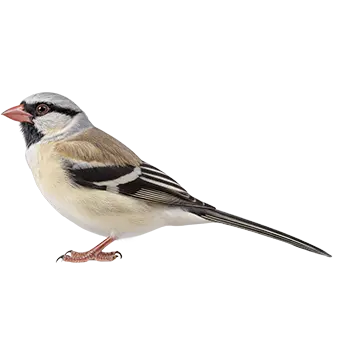

Breeding Readiness & Pair Selection

Successful breeding of Shaft-tail Finches begins long before the first egg is laid, rooted in the careful selection of healthy, compatible, and mature birds that are in peak physical condition. Shaft-tail Finches typically reach sexual maturity between six and nine months of age, but responsible breeding practice dictates waiting until the birds are at least nine to twelve months old before allowing them to reproduce. Breeding birds that are too young places physiological stress on bodies that have not yet reached full skeletal and muscular maturity, potentially leading to egg-binding complications in hens and reduced fertility in cocks.

Pair selection should prioritize overall health, vigor, and physical conformation. Both birds should be at optimal body weight, with well-muscled keels, clean and complete plumage, clear eyes, and no signs of respiratory or digestive illness. Breeders working with specific color mutations or subspecies should maintain awareness of their birds' genetic backgrounds to avoid inbreeding, which can produce weakened offspring with reduced fertility, compromised immune function, and increased susceptibility to congenital defects. When subspecies purity is a goal, strict separation of the yellow-billed acuticauda and red-billed hecki forms is necessary to prevent hybridization.

Temperament compatibility is as important as physical health when selecting pairs. Shaft-tail Finches are generally peaceful and form pair bonds readily, but individual personality clashes do occur. Introduce potential mates in a neutral enclosure and observe their interactions for several days before committing to a breeding setup. Compatible pairs will perch near each other, engage in mutual preening, and the male will begin to court the female with soft singing and bowing displays. If either bird consistently avoids the other, displays aggression, or appears stressed by the pairing, separate them and try a different combination.

Pre-breeding conditioning should begin four to six weeks before the intended start of the breeding season. Gradually increase the photoperiod to 13 to 14 hours of light per day to simulate the lengthening days that trigger breeding hormones in the wild. Enrich the diet with sprouted seeds, egg food, fresh greens, and live or dried insects to build the protein and mineral reserves that will be drawn upon during egg production and chick rearing. Ensure that cuttlebone and mineral supplements are fresh and readily accessible, as calcium demand spikes dramatically during egg formation.

Courtship & Pair Bonding

The courtship display of the male Shaft-tail Finch is one of the most charming behaviors in Australian grassfinch aviculture. When a male is ready to court, he selects a long grass stem or thin stick, holds it conspicuously in his bill, and positions himself on a perch near the female. He then performs a series of rhythmic bobs and pivots, accompanied by a buzzy, somewhat mechanical song that he directs toward the hen while stretching upward and tilting his body to display his black bib and flank markings to best effect. This grass-stem display is a hallmark of the Poephila genus and distinguishes the courtship of Shaft-tail Finches from that of many other grassfinch species.

The female's response to the courtship display determines the pace at which pair bonding progresses. A receptive hen will remain on her perch, watch the male attentively, and may respond with a solicitation posture characterized by crouching slightly and quivering her tail. An unreceptive or not-yet-ready female will fly away, ignore the display, or in some cases, threaten the male with bill-gaping or pecking. Patience is essential during this phase; pushing an unreceptive female by confining her with an ardent male creates stress and rarely results in productive breeding.

As pair bonding solidifies, the two birds become increasingly inseparable. They roost together, feed in proximity, preen each other's head and neck feathers, and maintain contact through a repertoire of soft calls. This mutual allopreening strengthens the bond and helps synchronize the hormonal readiness of both birds for the demands of nesting and chick rearing. A well-bonded pair coordinates its efforts seamlessly during the breeding cycle, with both birds contributing to nest construction, incubation, and feeding of the young.

The transition from courtship to nest building often happens rapidly once the pair bond is established and breeding conditions are favorable. The male typically initiates nest construction by carrying nesting material to the chosen site, and the female joins him in shaping the interior. Providing an ample supply of suitable nesting materials at this stage signals to the pair that their environment supports breeding. Conversely, a lack of nesting material can stall the transition from courtship to nesting, causing the birds to cycle through repeated courtship displays without progressing to egg laying.

Nesting Requirements & Setup

Providing the right nesting environment is critical to encouraging Shaft-tail Finches to breed successfully and to ensuring that the resulting clutch has the best possible chance of survival. In the wild, these birds construct domed nests in dense vegetation, building elaborate bottle-shaped structures from woven grass with a side entrance tunnel. In captivity, they accept a variety of nest receptacles, but the breeder's choice of nest type and placement significantly influences the pair's willingness to proceed and the safety of the eggs and chicks once they arrive.

Wicker nest baskets, either open-topped or fully enclosed with a side entrance, are the most commonly used nest receptacles for Shaft-tail Finches in captivity. Enclosed wicker nests most closely approximate the domed structure the birds build in the wild and provide the darkness and security that many pairs prefer. Wooden nest boxes designed for finches are also accepted, though they may retain moisture more than wicker and should be monitored for hygiene. Position the nest in the upper third of the cage or aviary, in a sheltered location away from the main flight path and shielded from direct drafts and harsh light. If multiple pairs are housed in the same aviary, provide at least two nest options per pair, spaced well apart to minimize territorial disputes.

Nesting material is essential and should be offered in abundance. Shaft-tail Finches are active and enthusiastic nest builders, and the availability of appropriate material directly influences the quality and insulation of the finished nest. Offer a selection of soft dried grass, coconut fiber, sisal rope cut into short lengths, and white feathers for lining the interior. Avoid cotton wool, synthetic fibers, and any material with long threads that could entangle the toes of adults or chicks. Scatter the material on the cage floor and hang bundles near the nest site so both birds can easily collect and transport it.

The nest-building process itself takes approximately five to ten days and is a collaborative effort. The male does the majority of the structural weaving, carrying material in his bill and shaping the outer frame, while the female concentrates on lining the interior with fine grasses and feathers. Observing the nest-building process provides valuable insight into the pair's readiness and cooperation. A pair that builds a well-constructed, fully lined nest is signaling strong pair bonding and breeding readiness. A poorly constructed or abandoned nest may indicate that the pair is not yet physiologically prepared, that the environment is not to their liking, or that disturbance or competition from other birds is disrupting the process.

Once the nest is complete, minimize disturbances in the area. Shaft-tail Finches are relatively tolerant of human activity compared to some more skittish grassfinch species, but unnecessary interference during the sensitive transition from nest completion to egg laying can cause the pair to abandon the nest and start over elsewhere. Conduct cage cleaning efficiently and quietly, avoid rearranging perches or furniture near the nest, and limit the number of people who approach the breeding enclosure.

The Egg-Laying Process

Egg laying in Shaft-tail Finches typically begins within a few days of nest completion, with the hen depositing one white egg per day, usually in the early morning, until the clutch is complete. A typical clutch consists of four to six eggs, though clutches as small as three or as large as eight have been recorded. The eggs are small, smooth, and pure white, measuring approximately 16 by 12 millimeters. Each egg represents a significant investment of the hen's calcium, protein, and energy reserves, underscoring the importance of the pre-breeding dietary conditioning that should have built these reserves before laying commenced.

During the laying period, the hen may spend increasing amounts of time in the nest, even before full incubation begins. Some pairs begin sitting loosely on the eggs from the first or second egg, while others delay serious incubation until the clutch is nearly or fully complete. This variation in incubation onset affects the synchrony of hatching. Pairs that begin incubating immediately may produce chicks that hatch over a span of several days, creating a size hierarchy among the nestlings. Pairs that delay incubation until the clutch is complete tend to produce more synchronous hatching, which reduces size disparities and gives all chicks a more equal start.

Monitoring the laying process requires a balance between vigilance and restraint. A brief daily check of the nest during the laying period is reasonable, conducted at the same time each day when the hen is off the nest feeding. Count the eggs to track clutch progress, and note any eggs that appear unusually small, misshapen, or thin-shelled, as these can indicate calcium deficiency or reproductive stress. If the hen produces soft-shelled eggs or appears to strain during laying, egg-binding may be developing, and veterinary consultation should be sought immediately.

Egg-binding is a serious and potentially fatal reproductive emergency that occurs when an egg becomes lodged in the oviduct and cannot be expelled. Predisposing factors include calcium deficiency, obesity, cold temperatures, lack of exercise, and breeding hens that are too young or in poor physical condition. A hen with egg-binding will typically sit on the cage floor with feathers fluffed, straining visibly, and may show labored breathing and reluctance to move. Immediate warmth, humidity, and veterinary intervention are required. Having a reliable avian veterinarian identified before the breeding season begins ensures that emergency care is accessible without delay.

Not every egg in a clutch will be fertile. Infertile eggs can be identified through candling at approximately five to seven days into incubation. Fertile eggs will show visible blood vessel development and a dark embryonic mass, while infertile eggs remain clear or show only a uniform yellowish glow. Removing clearly infertile eggs from the nest allows the parents to concentrate their incubation efforts on viable eggs, though some breeders prefer to leave infertile eggs in place to maintain clutch size and prevent the hen from laying replacement eggs prematurely.

Incubation & Parental Duties

Incubation in Shaft-tail Finches is a shared responsibility that distinguishes this species from many other finches where the hen does the majority or all of the sitting. Both the cock and the hen take turns on the eggs, with the male typically incubating during the day and the pair sharing overnight duties or the hen incubating alone at night. This cooperative approach to incubation ensures that the eggs receive more consistent warmth and allows each parent to leave the nest periodically to feed and maintain condition without leaving the eggs exposed for extended periods.

The incubation period for Shaft-tail Finch eggs is approximately 12 to 14 days from the onset of consistent sitting. Temperature and humidity within the nest influence the exact duration, with slightly warmer conditions producing marginally shorter incubation times. During this period, the incubating bird turns the eggs periodically using its bill and feet, ensuring even heat distribution and preventing the developing embryo from adhering to the inner shell membrane. The sitting bird adopts a characteristic settled posture, pressing its bare brood patch, an area of featherless skin on the abdomen with enhanced blood supply, against the eggs for maximum heat transfer.

The breeder's role during incubation is primarily one of support and minimal interference. Maintain a consistent room temperature to reduce the metabolic cost of incubation for the parent birds. Ensure that food and water are fresh and easily accessible so that the off-duty parent can eat and drink quickly before returning to relieve its partner. Continue to offer the enriched breeding diet, including sprouted seeds, egg food, and greens, as both parents need to maintain their condition for the demanding chick-rearing phase that follows hatching.

Nest inspections during incubation should be brief and infrequent. A quick check every two to three days, timed for when both parents are away from the nest if possible, is sufficient to confirm that incubation is proceeding normally. If the nest appears abandoned for more than an hour during the day and the eggs feel cool to the touch, investigate potential causes such as disturbance by other birds, environmental stressors, or illness in one of the parents. Abandoned clutches can sometimes be saved by fostering the eggs under another incubating pair of compatible finches, though cross-species fostering carries risks of imprinting complications.

As the incubation period nears its end, listen for faint peeping sounds coming from the eggs. Chicks begin vocalizing within the egg approximately 24 to 48 hours before hatching, and these sounds stimulate increased attentiveness in the parent birds. The hatching process itself involves the chick using an egg tooth, a small calcified projection on the upper bill, to pip through the shell. Hatching typically takes several hours from the first pip to full emergence. The parent birds instinctively remove shell fragments from the nest, and the brooding adult adjusts its posture to shelter the newly emerged chick alongside any remaining unhatched eggs.

Hatchling Care by Parents

Once the chicks begin hatching, the parent Shaft-tail Finches shift seamlessly from the relatively passive task of incubation to the intensely demanding work of feeding and brooding their young. Both parents participate actively in chick rearing, a trait that gives Shaft-tail Finch chicks a strong advantage in terms of the frequency and quality of feeding they receive. The transition from incubation to chick care is instinct-driven, and well-conditioned, experienced pairs typically manage the process without any intervention from the breeder.

Feeding of the chicks begins within hours of hatching. The parents produce a partially digested mixture of seed, sprouted grains, and any live food or egg food available, which they regurgitate directly into the gaping mouths of the chicks. The crop of a well-fed chick is visibly distended after a feeding, appearing as a small rounded bulge on the side of the neck. Both parents make frequent trips to the food stations and back to the nest throughout the day, and the feeding frequency increases as the chicks grow and their nutritional demands escalate.

The breeder's most important contribution during this period is ensuring an abundant, varied, and fresh food supply. The enriched breeding diet takes on critical importance now, as the quality of food available to the parents directly determines the nutrition delivered to the chicks. Increase the quantity of sprouted seeds, egg food, and soft greens offered daily. Live food such as small fruit flies, aphids, or ant eggs, if available, provides animal protein that accelerates chick growth and feather development. Remove uneaten fresh food before it spoils, as bacterial contamination from decaying food poses a significant health risk to both the adults and the chicks.

Nest hygiene is managed largely by the parent birds, who consume or remove the fecal sacs produced by the chicks during the first week or so of life. As the chicks grow larger, fecal output increases beyond what the parents can manage, and droppings begin to accumulate in the nest. Some buildup is normal and does not require intervention unless it becomes excessive or the chicks appear soiled. If the nest becomes badly fouled, a careful partial nest cleaning using warm water and fresh lining material can be performed, but this must be done quickly and with minimal disruption to avoid causing the parents to abandon the brood.

Monitor the chicks daily with brief visual inspections. All chicks should appear similar in size and development, with full crops visible after feedings. A chick that is consistently smaller than its siblings, with an empty crop while the others are well-fed, may be outcompeted at feeding time. In this situation, the breeder can try repositioning the smaller chick nearer to the nest entrance where it is more likely to be fed first when the parents arrive, or can consider pulling the weakest chick for supplemental hand-feeding if the situation does not improve.

Post-Breeding Recovery

The breeding cycle is one of the most physically demanding periods in a Shaft-tail Finch's life, and both the cock and the hen require a deliberate recovery period before being allowed to breed again. The hen, in particular, has invested tremendous physiological resources in egg production, incubation, and chick rearing. Her calcium reserves are depleted, her body condition may have declined, and her feather quality may be reduced. The cock, while spared the metabolic costs of egg production, has shared the energy-intensive duties of incubation and chick feeding. Allowing adequate recovery time between breeding rounds protects the long-term health and reproductive viability of both birds.

A minimum rest period of eight to twelve weeks between the weaning of one clutch and the start of the next breeding attempt is recommended. During this recovery period, remove or block access to nest sites, reduce the photoperiod to 10 to 11 hours of light per day, and discontinue the live food and insect supplementation that stimulates breeding hormones. These environmental cues signal to the birds that the breeding season has ended and allow their hormonal systems to return to a baseline non-breeding state. Attempting to breed continuously without rest periods leads to progressively weaker clutches, increased egg-binding risk, parental burnout, and shortened lifespans.

Nutritional recovery during the rest period focuses on replenishing the reserves that were drawn down during breeding. Continue to offer the standard seed mix supplemented with sprouted seeds, greens, and egg food. Calcium supplementation through cuttlebone and mineral blocks should be maintained, as rebuilding bone density and replenishing the medullary calcium stores that the hen uses during egg formation takes weeks. A water-soluble multivitamin supplement can help address any micronutrient gaps that developed during the demanding breeding period.

Monitor both birds for signs of breeding-related health complications during the recovery phase. The hen should be watched for delayed egg-binding, which can occur if an egg was partially formed when breeding was discontinued. Persistent abdominal swelling, lethargy, or straining weeks after the last clutch warrants veterinary evaluation. Both birds should be examined for weight loss, feather damage, and signs of parasitic infestation, all of which are more likely to manifest after the stress of the breeding season has suppressed normal immune defenses.

Responsible breeders limit Shaft-tail Finches to no more than two or three clutches per year, and many experienced aviculturists recommend only two. Each additional clutch imposes cumulative stress on the breeding pair, with diminishing returns in terms of chick quality and survivability. Birds that are bred excessively often show premature aging, chronic health problems, and reduced fertility in later breeding attempts. The most productive breeding programs are those that prioritize the long-term health of the parent birds, recognizing that a well-rested, well-conditioned pair produces far better offspring than an exhausted pair pushed to its physiological limits.

Always consult a qualified professional before making any health-related decisions. This content is provided for informational reference only and should not replace professional guidance specific to your animal.